


 English
 русский
 中文简体
中文简体 عربى
عربى
Drywall screws are essential fasteners in interior construction, designed to secure drywall panels to framing materials efficiently and reliably. They are available in multiple classifications, thread types, and sizes, allowing installers to match screws to specific wall systems and tools.
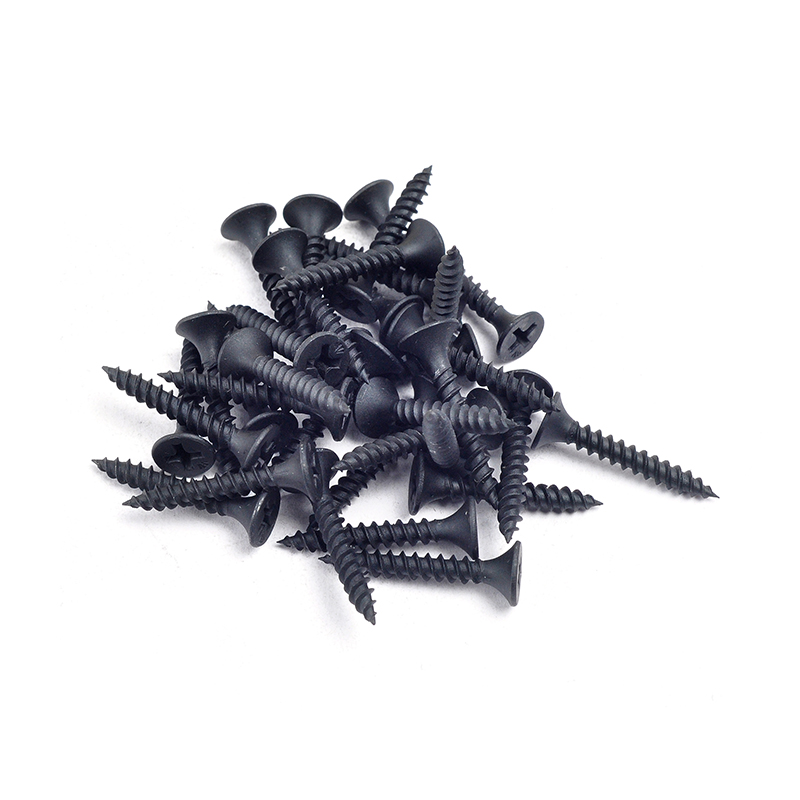
Drywall screws are generally divided into coarse-thread and fine-thread types. Coarse-thread screws are typically used for wood studs, providing strong grip and minimizing splitting. Fine-thread screws, on the other hand, are designed for metal studs, ensuring a secure hold without damaging the framing material. Choosing the correct thread type is crucial for both installation efficiency and panel performance.
A significant development in drywall screw design is the Hi-Lo thread. This high-low thread pattern alternates between larger and smaller threads along the screw shaft, enhancing penetration and holding power. Hi-Lo threads reduce the effort needed to drive screws into the panel and underlying stud while increasing resistance against pullout, making them suitable for both wood and metal framing in a wide range of construction scenarios.
Drywall screws are compatible with various tools and accessories, including electric screwdrivers, collated screw guns, and depth-controlled drivers. Many screws are now designed to work seamlessly with automated fastener systems, improving installation speed and consistency, especially in professional projects. Proper compatibility between screws and tools is essential to prevent overdriving, surface damage, or insufficient panel attachment.
Size selection is another key factor in drywall installation. Screws are available in lengths ranging from 25 mm to 120 mm and beyond, allowing installers to select the appropriate length for different drywall thicknesses and applications. Shorter screws are commonly used for single-layer panels on light framing, while longer screws are ideal for thicker panels or ceiling installations where additional holding strength is required.
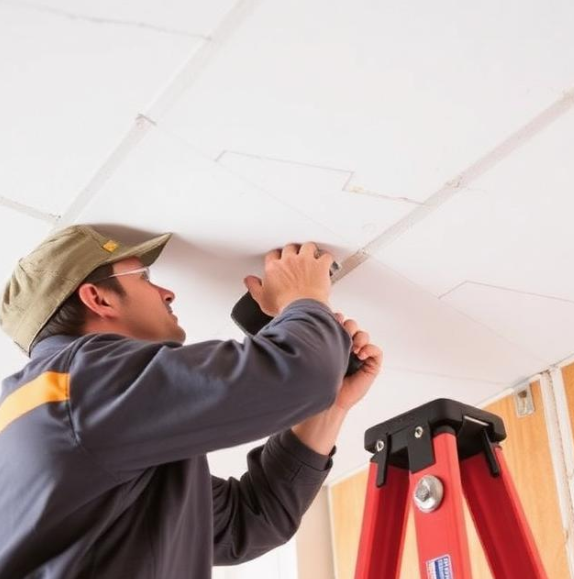
In addition to traditional screws, multi-functional self-drilling and self-tapping drywall screws are gaining attention for their convenience. These screws can penetrate both drywall and underlying framing without pre-drilling, reducing installation time and simplifying workflows. Their design helps maintain consistent panel alignment and reduces the risk of surface damage, offering practical advantages in both residential and commercial construction projects.
Selecting the right screw type, thread pattern, and length is fundamental to achieving reliable results. Coarse or fine threads should align with framing material, while Hi-Lo threads provide added security. Appropriate sizing ensures that the screw penetrates sufficiently without protruding or failing to hold. Combining these considerations with compatible tools allows for smooth installation and a strong, long-lasting wall system.
Drywall screws, with their various thread types, lengths, and functional designs, remain a central component of modern interior construction. From basic coarse-thread screws for wood studs to advanced self-drilling Hi-Lo screws, these fasteners enable efficient, stable, and professional-quality drywall installations.
FAQ
Q1. What is the difference between coarse-thread and fine-thread drywall screws?
A1. Coarse-thread screws are suitable for wood studs, while fine-thread screws are suited for metal studs.
Q2. What is a Hi-Lo thread?
A2. Hi-Lo thread screws have alternating large and small threads to improve penetration and holding power.
Q3. What tools are compatible with drywall screws?
A3. Electric screwdrivers, collated screw guns, and depth-controlled drivers are commonly used.
Q4. How do I choose the correct screw length?
A4. Screw length should match drywall thickness and framing; common lengths range from 25 mm to 120 mm.
Q5. What are self-drilling drywall screws?
A5. Self-drilling screws can penetrate both drywall and studs without pre-drilling, saving time and reducing surface damage.

 Quick Links
