


 English
 русский
 中文简体
中文简体 عربى
عربى
Construction projects are built from many different pieces.
Large structural materials often receive most of the attention. Walls, floors, ceilings, frames, and other visible elements shape the appearance of a project. Yet smaller fastening products also have an important place in everyday construction work.
A nail may look simple when placed on a workbench. Its role becomes more noticeable when a worker needs to attach one material to another. When the working surface is concrete, the choice of fastening product can become even more important.
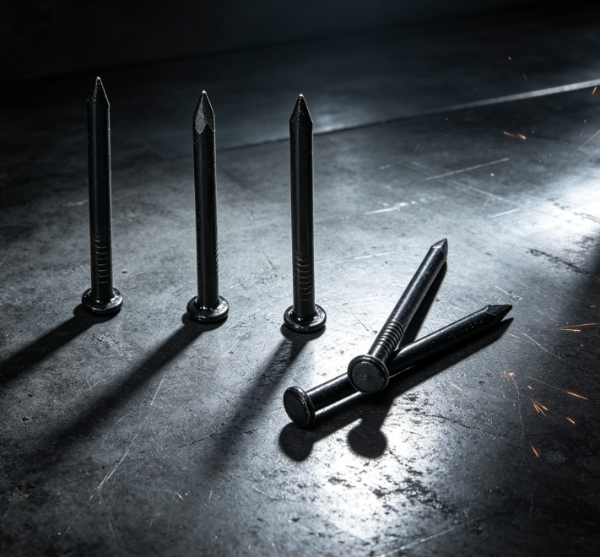
This is where a Concrete Nails Factory becomes part of the conversation.
A factory is not simply a place where nails are produced. It connects material selection, product design, manufacturing processes, inspection, packaging, and supply with the needs of construction users. For buyers, understanding this connection can make product sourcing more practical.
The growing attention toward concrete fastening also reflects a wider change in construction purchasing. Buyers are not only asking what a product looks like. They are also considering where it comes from, how it is made, whether it suits the intended application, and how consistently it can be supplied.
Why Does a Concrete Nails Factory Matter to Construction Work?
Concrete fastening involves more than putting a nail into a hard surface. The fastening product needs to fit the working situation, while the production process needs to create products that can be handled and supplied in a reliable way.
This gives the factory a role beyond basic manufacturing. A Concrete Nails Factory brings several parts of the supply process together. Material preparation, forming, surface treatment, inspection, and packing all have a connection with the final product that reaches a construction site.
For construction buyers, this connection can be useful. A project may require a large quantity of fastening products, and the buyer may need to maintain a consistent purchasing standard across different orders.
The factory can therefore influence several parts of the buying experience.
| Factory Role | Connection With Construction |
| Material selection | Helps determine whether the product suits the intended use |
| Product forming | Influences the shape and handling of the nail |
| Surface treatment | Relates to the conditions in which the product will be used |
| Inspection | Helps maintain product consistency |
| Packaging | Supports storage, transport, and site organization |
| Order management | Connects production with buyer requirements |
The nail itself may be small, but the manufacturing system behind it can involve many decisions.
How Does Factory Production Affect Concrete Nail Selection?
Different construction tasks can create different fastening needs. A worker may be fixing materials to a concrete wall in one situation and working on another part of a building in a different situation.
The same product category can therefore contain different options. Buyers may look at the material, shape, surface, packaging, and intended application before making a choice.
Factory production has a direct connection with these differences. A manufacturer needs to understand how a concrete nail is expected to be used before deciding how the product should be made.
This is why product selection and factory production are closely connected.
A useful purchasing discussion may include questions such as:
- What type of construction work is involved?
- What material needs to be fixed?
- Where will the fastening take place?
- What kind of surrounding environment is expected?
- How will the nails be stored before use?
- Will the same product be needed for repeated projects?
These questions can help narrow the product choice without making the purchasing process unnecessarily complicated.
For a Concrete Nails Factory, this information can also provide a clearer picture of customer requirements. The factory can then connect production decisions with actual applications rather than treating every order in exactly the same way.
Does Material Choice Influence the Role of a Concrete Nails Factory?
Material is an important part of any metal fastening product.
Concrete nails are used in environments where the fastening product needs to work with a hard construction surface. At the same time, the surrounding conditions can vary. Indoor construction, outdoor work, renovation, and maintenance may expose products to different conditions.
The material used in production and the way the surface is treated can therefore become important purchasing considerations.
Buyers do not always need to understand every manufacturing detail. They usually need clear information about whether a product is suitable for the intended application.
This makes communication between the factory and the buyer useful.
| Material-Related Concern | Buyer Question |
| Nail material | Is it suitable for the planned application? |
| Surface condition | Does the finish fit the working environment? |
| Indoor use | Are there specific product considerations? |
| Outdoor use | Does the product suit the surrounding conditions? |
| Storage | How should the product be kept before installation? |
Material decisions can also affect how a factory organizes its production. Different product requirements may involve different manufacturing and finishing processes.
For this reason, a Concrete Nails Factory can play a role in helping buyers understand the relationship between product material and practical use.
Why Is Product Consistency Important for Concrete Nail Buyers?
Construction work often involves repetition.
A worker may perform similar fastening tasks across many areas of a project. Contractors may also purchase the same type of product for multiple jobs. When this happens, consistency becomes more noticeable.
Product consistency can involve shape, appearance, surface condition, packaging, and other basic characteristics. Buyers may want each order to remain reasonably aligned with the requirements established during purchasing.
This does not mean every construction project needs exactly the same product. Different applications can call for different choices. The important point is that once a suitable product has been selected, buyers generally want the supply to remain clear and predictable.
A factory has an important role here because production takes place within a repeatable manufacturing process.
| Purchasing Concern | Why It Matters |
| Similar product appearance | Makes identification easier |
| Consistent shape | Supports familiar handling |
| Stable surface finish | Helps maintain purchasing expectations |
| Organized packaging | Makes storage and distribution easier |
| Repeat orders | Helps buyers maintain a consistent product choice |
For international construction suppliers and distributors, this can be particularly relevant. They may purchase products for resale or supply them to different project customers. Clear product standards can make these relationships easier to manage.
Can a Concrete Nails Factory Support More Practical Construction Supply?
Construction supply is not only about making a product. The product also needs to reach the place where it is required.
Packaging, storage, handling, and transportation all form part of the supply process. Concrete nails are usually purchased in quantities that make organization important. Workers and distributors need to know what the package contains and how it should be stored.
A factory that pays attention to these areas can make the product easier to integrate into the supply chain.
For example, packaging may help protect the nails during transportation. It may also make products easier to separate when different sizes or types are purchased together.
The practical side of factory supply can include:
- Production planning
The factory organizes manufacturing around different product requirements. - Product inspection
Finished products can be checked before they enter the packaging stage. - Packaging organization
Products can be prepared in a form that supports storage and transportation. - Order coordination
Buyer requirements can be connected with production and delivery arrangements.
These activities may not be visible when a construction worker opens a package on site. However, they are part of the process that allows a small fastening product to move from manufacturing to actual use.
How Does a Factory Connect With Different Construction Applications?
Concrete nails can appear in many areas of building, repair, renovation, and installation work.
A construction site may contain different surfaces and materials within the same project. Some fastening tasks may involve walls. Others may involve supporting elements, fixtures, or materials placed around a building.
The factory therefore needs to view concrete nails as products with practical applications rather than as a single uniform item.
Application information can help buyers and manufacturers communicate more clearly.
| Application Area | Possible Purchasing Focus |
| General construction | Compatibility with common fastening tasks |
| Renovation | Suitability for existing concrete surfaces |
| Repair work | Convenient handling and storage |
| Installation work | Matching the nail with the attached material |
| Distribution | Packaging and product identification |
This application-based approach can also help reduce unnecessary product comparisons. Instead of looking at every available option, buyers can begin with the actual task.
For example, a distributor may already know what type of customers will use the products. A contractor may know the surface and materials involved. A purchasing manager may be focused on maintaining a stable supply.
Each buyer can approach the same product category from a different perspective.
What Should Buyers Ask a Concrete Nails Factory Before Ordering?
Choosing a factory is a sourcing decision, not simply a product decision.
A buyer may want to understand how the factory handles materials, production, inspection, packaging, and communication. These details can help determine whether the supplier fits the purchasing process.
The questions do not need to be complicated.
Product questions
Ask about the intended application, available material choices, product appearance, and surface treatment.
Production questions
Ask how product requirements are handled during manufacturing and how finished products are checked.
Packaging questions
Ask how products are packed, labeled, stored, and prepared for transportation.
Communication questions
Ask whether product information, order details, and special requirements can be discussed clearly.
A simple buyer checklist can look like this:
| Buyer Question | What It Helps Clarify |
| What applications does the product suit? | Product selection |
| What material choices are available? | Material matching |
| How is the product packaged? | Storage and transport |
| How are finished products checked? | Product consistency |
| Can product requirements be discussed? | Order flexibility |
| How are repeat orders handled? | Ongoing supply |
The purpose is not to make purchasing more complicated. It is to make the decision more connected with the actual project.
How Could Manufacturing Needs Shape the Development of Concrete Nails?
Construction methods continue to change, but many basic fastening tasks remain familiar. This gives manufacturers an ongoing reason to pay attention to how products are used in real working environments.
A Concrete Nails Factory may need to consider more than the basic function of the nail. Buyers can also care about handling, packaging, material selection, appearance, product consistency, and supply arrangements.
This can create a closer relationship between manufacturing and application.
A contractor may want products that fit a familiar installation routine. A distributor may need packaging that is easier to organize. A purchasing company may focus on consistent product supply. A construction material supplier may care about clear product information for its own customers.
These needs can influence how factories approach product development and customer communication.
The manufacturing side can respond through several practical areas:
- Paying closer attention to actual construction applications
- Improving product organization and packaging
- Offering material choices related to different working conditions
- Maintaining clear production requirements
- Making product information easier for buyers to understand
- Building communication around specific purchasing needs
The result is a more connected view of concrete fastening. The factory becomes part of a larger process that starts with a construction requirement and continues through product selection, manufacturing, packaging, distribution, and installation.
For this reason, the role of a Concrete Nails Factory can extend well beyond the production floor. Its work is connected with how buyers source fastening products, how distributors organize their inventory, and how construction workers use those products in everyday projects.

 Quick Links
