


 English
 русский
 中文简体
中文简体 عربى
عربى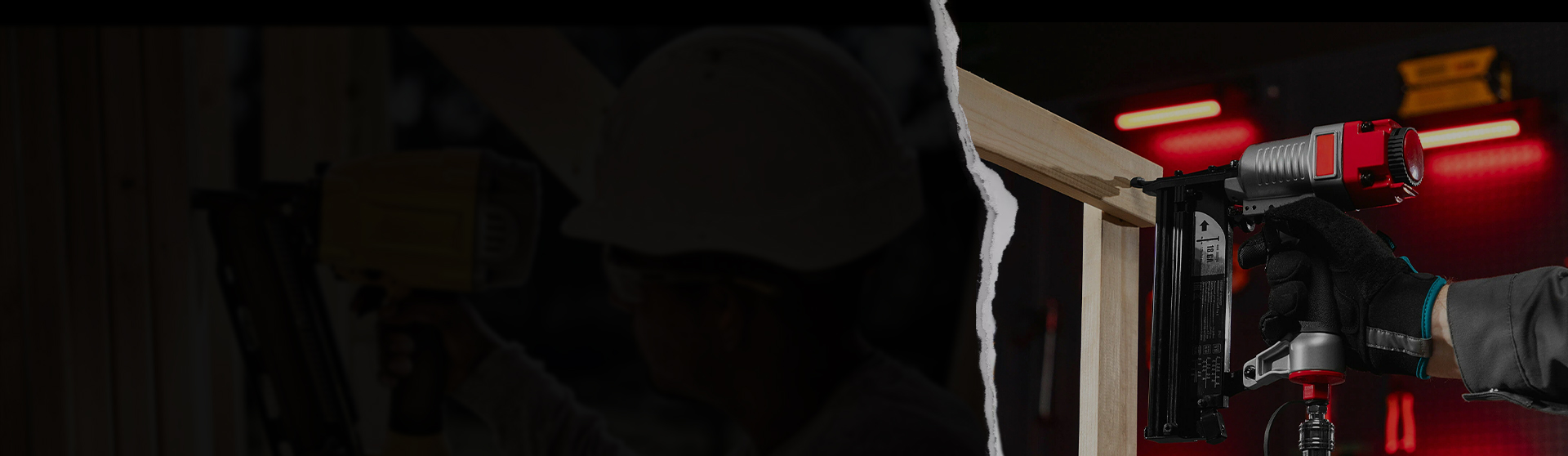
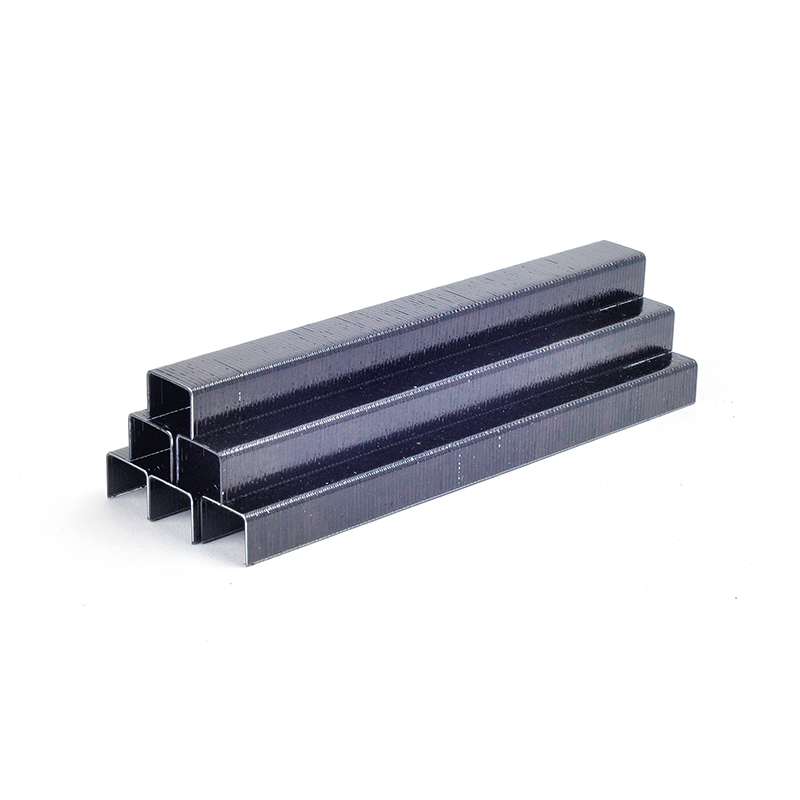
80 Staples have become a commonly used fastening option across furniture production, interior renovation, cabinetry, packaging, and light wood structures. As a fine-wire staple category designed for controlled penetration and clean surface appearance, the 80 Series provides reliable performance for applications requiring neat fastening, strong hold, and compatibility with thin or delicate materials.
Performance and Durability
High-quality 80 Staples are typically manufactured from hardened steel materials such as carbon steel or spring steel. This ensures stable penetration into various substrates while maintaining resistance to bending. In practical applications involving chair frames, thin wooden strips, decorative panels or combined materials, the staple structure helps maintain a consistent hold without causing excessive surface disruption.
For environments requiring corrosion resistance or higher durability, stainless steel versions of 80 Staples are often selected. These staples are suitable for indoor installations exposed to humidity, automotive interior components, combined wood-fabric structures, and certain outdoor furniture elements. The stainless finish helps maintain long-term appearance and prevents rusting in areas where moisture or repeated handling is present.
Meanwhile, galvanized 80 Staples remain widely used in indoor furniture manufacturing, soft upholstery, cabinets, trim work and general assembly. The zinc-coated surface offers stable performance in controlled indoor environments, making it a practical choice for consistent daily production.
Selection and Compatibility Considerations
Although 80 Staples cover a broad range of applications, selecting the correct specification requires attention to several key elements:
- Gauge (wire thickness): 80 Staples typically fall under a fine-wire category that supports clean entry points and reduces the risk of wood splitting.
- Crown width: The standard crown design allows the staple to secure fabrics, veneers and wooden strips evenly without creating visible marks.
- Leg length: Choices from short to extended lengths allow buyers to match different material thicknesses—from thin upholstery layers to medium-density wood frames.
Matching the staple specifications with the corresponding stapler or pneumatic tool is essential. When the gauge, crown width or leg length does not align with the tool’s design, users may experience jamming, weak penetration or inconsistent holding power. For this reason, many production teams maintain clear specification charts to pair 80 Staples with specific tools and production lines.
Different applications also require different material and length selections. For instance:
- Upholstery and fabric fastening often use shorter leg lengths to avoid penetrating beyond backing layers.
- Light wood furniture and cabinet components may use medium or longer legs for reinforcing structural joints.
- Interior trim and molding work typically relies on galvanized staples for a clean finish during installation.
Packaging or carton fastening may require specific staple lengths to secure multiple cardboard layers without tearing.
This variety makes 80 Staples a flexible, multi-industry solution that supports both mass manufacturing and custom workshop production.
Meeting Production Standards and Consistent Quality
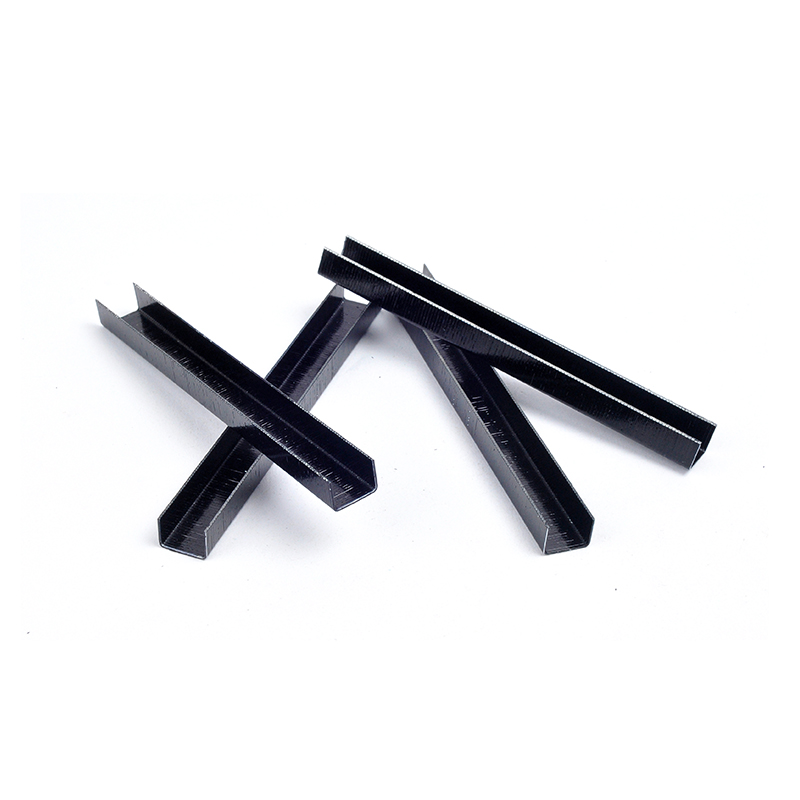
Manufacturers specializing in fine-wire staples often emphasize wire drawing consistency, surface finish stability, and structural strength control. These processes help ensure uniform hardness, straightness and penetration performance across different batches. Companies with advanced production lines may also provide options for customized lengths, surface finishes, and packaging formats to support distributors, large-scale buyers or OEM projects.
The ability of 80 Staples to maintain reliable holding strength—while achieving clean, minimally invasive fastening—is one reason they continue to be widely used across furniture plants, interior finishing companies, and small repair shops.

 Quick Links
