


 English
 русский
 中文简体
中文简体 عربى
عربى
Industrial fastening in construction and manufacturing requires materials that can handle thick substrates and structural stress. Heavy Wire Staples are developed for these demanding environments, where fastening performance directly affects structural stability and workflow continuity.
From pallet production lines to framing operations, the right staple specification supports consistent penetration, stable holding power, and compatibility with high-volume stapling equipment. Understanding how Heavy Wire Staples function and how a reliable Heavy Wire Staples Manufacturer manages production can help reduce operational disruptions.
Key Structural Features of Heavy Wire Staples
Heavy Wire Staples are manufactured using thick-gauge steel wire. This heavier construction increases rigidity and holding strength compared to fine wire alternatives.
Thick Wire Construction
The thicker wire diameter allows the staple to penetrate dense materials such as:
- Solid wood
- Plywood
- Composite boards
- Subfloor panels
- Structural framing components
This rigidity prevents bending during driving, especially when working with hardwood or layered boards.
Extended Leg Length Options
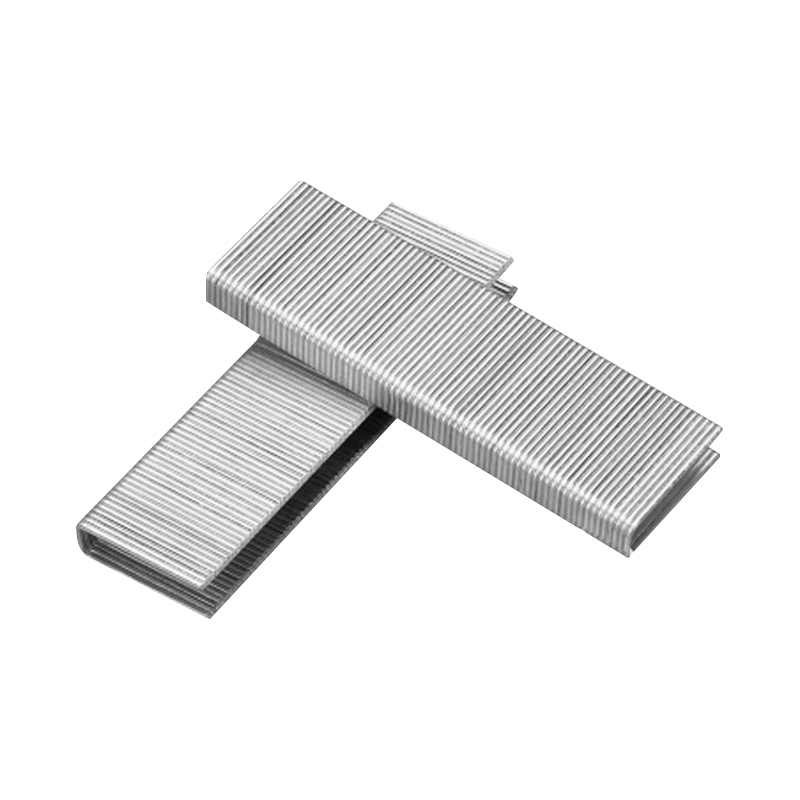
Many Heavy Wire Staples are available with longer legs, typically ranging from 1/2 inch to 1 inch. Longer legs provide deeper anchoring into structural substrates. This is particularly useful in pallet assembly, crate production, decking, and sheathing work.
Stable Crown Design
A well-formed crown distributes pressure evenly across the surface. This supports a stronger clamping force when fastening thick materials together.
Common Industrial Uses of Heavy Wire Staples
Framing and Sheathing
In framing applications, fastening components must remain stable under load and vibration. Heavy Wire Staples provide firm anchoring when attaching structural panels or reinforcing joints.
Pallet and Crate Manufacturing
Pallet production requires repetitive fastening into thick lumber. These staples maintain structural integrity during transport and handling. Their rigid legs penetrate dense wood without distortion.
Subflooring and Decking
When securing subfloor panels or decking boards, consistent penetration depth is critical. Heavy Wire Staples help maintain panel alignment and reduce movement over time.
Door, Window, and Fencing Units
The assembly of larger wooden units benefits from high holding power. The thicker gauge supports stable joints across load-bearing sections.
Operational Benefits in High-Volume Environments
High Holding Power
Heavy Wire Staples provide a strong clamping force across thick materials. This makes them suitable for projects where mechanical stress is present.
Reduced Tool Jamming
When produced with precise tolerances, staple strips feed smoothly through industrial staplers. A professional Heavy Wire Staples Manufacturer maintains dimensional consistency to reduce misfires.
Lower Risk of Deformation
Thicker wire construction decreases the likelihood of staple legs bending during application. This is important when using pneumatic staplers in fast-paced production lines.
Long-Term Performance
For outdoor or humid applications, corrosion-resistant coatings are available. Galvanized or treated finishes help maintain structural fastening strength over time.
Why Heavy Wire Staples Remain Essential in Structural Fastening
Large-scale construction and manufacturing projects require fastening components capable of handling mechanical load and repetitive application. Heavy Wire Staples provide a reliable solution for thick materials, pallet frameworks, subfloor panels, and structural assemblies.
Their rigid construction supports stable penetration, while compatible industrial staplers maintain consistent driving performance. Working with a technically capable Heavy Wire Staples Manufacturer supports supply continuity and dimensional stability across high-volume operations.
In demanding industrial settings, fastening components must perform under pressure. Heavy Wire Staples continue to play a key role in construction lines, pallet plants, and manufacturing facilities where structural fastening reliability matters.

 Quick Links
