


 English
 русский
 中文简体
中文简体 عربى
عربى
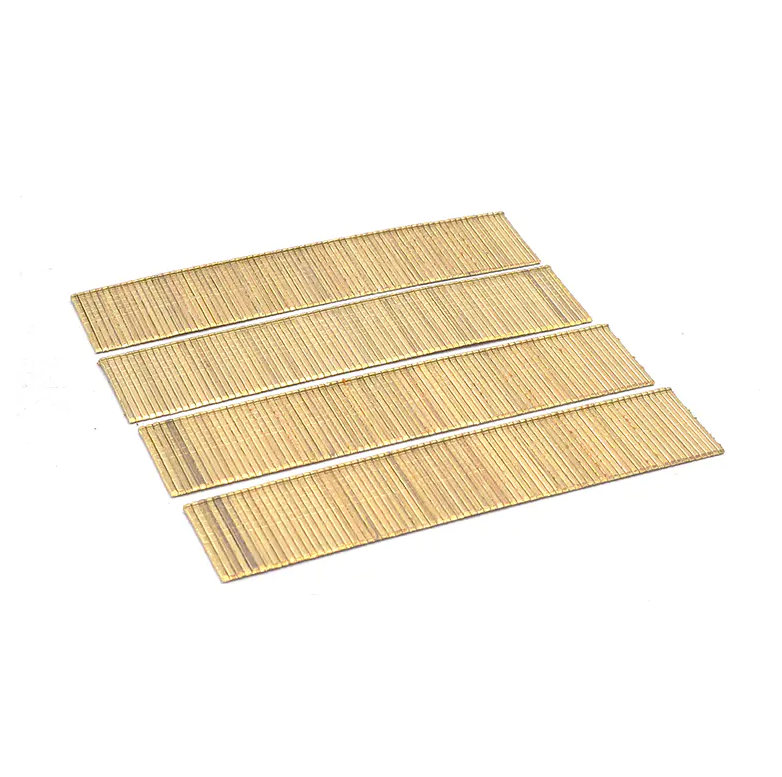
Small fastening products often play a quiet but important role in manufacturing and construction. They may not attract much attention, yet they influence how finished products are assembled and maintained. F Series Brad Nails are one example. These small fasteners are commonly used in woodworking, furniture production, decoration projects, and other applications where neat fastening is needed.
As users pay more attention to product quality and working efficiency, the choice of fastening materials has become a regular topic among buyers. The market is not only looking at the appearance of nails. Factors such as material selection, application environment, and supplier experience are also becoming part of the decision process.
For manufacturers and users, understanding F Series Brad Nails can help create better results during different projects.
What are F Series Brad Nails and why are they widely used?
Nails are thin, tiny fasteners built for jobs that need tidy finishes and solid holding power. Unlike thicker, bigger nails, they work better when people want fixing marks to stay as subtle as possible.
Their slim size works great for jobs where surface look is a priority. Once driven into materials, the nail hole barely shows, so the finished piece keeps a neat, unmarred surface.
Lots of trades rely on these nails to cover different assembly needs. Furniture workshops, carpenters and interior decorators turn to them for delicate trim and fitting work.
People pick F Series brad nails for these practical benefits:
- Perfect for fine woodworking and delicate fitting jobs
- Leave barely visible holes for a cleaner finished surface
- Hold up well during mass, repeated production runs
- Adapt to all sorts of carpentry and decoration projects
Even though these nails are small parts, they make a real difference to how good the final product turns out.
What materials are commonly used for F Series Brad Nails?
Material choice affects how a fastener performs during use. Manufacturers consider different factors when selecting materials, including the working environment and expected application.
Common material options include metal-based choices designed for strength, stability, and daily use. Different surface treatments may also influence how the product handles various conditions.
A simple overview of material considerations is shown below:
| Material Consideration | Main Feature | Common Application Needs |
|---|---|---|
| Steel Materials | Strong structure and practical use | General woodworking and assembly |
| Coated Materials | Added surface protection | Environments requiring better surface care |
| Stainless Materials | Suitable for areas needing cleaner appearance | Decorative and special applications |
Steel materials are commonly selected because they provide a balance between strength and usability. They are suitable for many everyday fastening tasks.
Coated options may be considered when users want additional surface protection. The coating can help improve the product's appearance and support longer use in certain environments.
Stainless materials are often chosen when appearance and surface condition are important. They are commonly seen in projects where users pay more attention to the finished look.
For a supplier, understanding material differences is important. A suitable recommendation depends on where and how the nails will be used.
Where are F Series Brad Nails commonly applied?
Nails are used in many areas where small and neat fastening solutions are needed.
Woodworking is one of the common applications. During furniture production, small fasteners can help connect different wooden parts while keeping the surface appearance clean.
Interior decoration is another important area. Decorative panels, trim pieces, and other details often require fastening methods that do not create noticeable marks.
Craft projects and small manufacturing work may also use these nails. Their size and appearance make them suitable for detailed products.
Common application areas include:
| Application Area | Usage Purpose |
|---|---|
| Furniture Production | Joining wooden components |
| Interior Decoration | Fixing decorative elements |
| Woodworking Projects | Supporting detailed assembly |
| Craft Manufacturing | Creating finished products with cleaner surfaces |
Different industries have different expectations. A furniture manufacturer may focus on production efficiency, while a designer may care more about appearance.
This is why choosing the right type of Nails depends on understanding the actual project.
How do users select suitable F Series Brad Nails?
Choosing the right fastener requires more than checking size or appearance. Users need to think about the material being joined, the working environment, and the final result they want.
A few points can help during selection:
1. Consider the application
The working purpose affects the choice. A decorative project may have different requirements from a large production process.
2. Understand the material being fastened
Different surfaces respond differently to fastening. Wood type, product structure, and design expectations can influence the selection.
3. Pay attention to appearance
For visible surfaces, the fastening point may affect the overall design. A suitable nail can help maintain a cleaner appearance.
4. Think about usage conditions
Indoor and outdoor environments may create different needs. Understanding the location helps users choose a more suitable option.
A thoughtful selection process can reduce problems during installation and improve the final result.
Why do manufacturers focus on the quality of F Series Brad Nails?
For fastening products, consistency is an important consideration. Small differences in production can influence how products perform during use.
Manufacturers pay attention to raw material selection, production processes, and product inspection. The goal is to create fasteners that match customer expectations.
Quality control often focuses on areas such as:
| Focus Area | Purpose |
|---|---|
| Material Checking | Ensuring suitable material selection |
| Production Control | Maintaining stable manufacturing results |
| Surface Inspection | Supporting better appearance |
| Product Management | Keeping supply more consistent |
A manufacturer's responsibility goes beyond producing nails. They need to understand customer applications and provide products that fit different market needs.
This is especially important for businesses that purchase fasteners regularly. Stable product quality can make production planning easier.
How are F Series Brad Nails supporting changes in woodworking industries?
Woodworking and furniture making have shifted a lot these days. Buyers don't only care if a piece works well—they also care about how nice it looks.
New styles demand smooth surfaces and precise assembly. Craftsmen need fasteners that hold parts tight without leaving ugly marks on the finished surface.
Nails fit this demand perfectly for delicate woodwork. Builders can build sturdy structures while keeping the item's clean look at the same time.
Custom furniture orders are also on the rise. More people want unique pieces instead of basic standard products. This creates a bigger need for adaptable fasteners that work for many different projects.
Suppliers now stock more sizes and styles of brad nails, and they help customers pick the right type for their specific woodworking jobs.
What should buyers consider when choosing an F Series Brad Nails supplier?
Picking the right brad nail supplier directly affects your whole procurement process. Good vendors know their own goods well and can keep up with your actual production demands.
There are several key points buyers need to check:
- Range of available nail sizes and types
- Years of experience making woodworking fasteners
- Different raw material grades to pick from
- Stable output capacity to fill bulk orders
- Fast, clear communication throughout cooperation
Suppliers who've served many woodworking fields can share valuable practical advice. They know typical assembly troubles and point out the better brad nails for your work.
Smooth talks with your vendor are vital too. If you clearly explain what materials you're joining and your finished look standards, you won't end up with nails that don't fit your project.
For most workshops and factories, working with a supplier is never just a one-time order. Long-lasting partnerships rely on steady nail quality, quick replies to questions, and a solid grasp of each other's business demands.
How are F Series Brad Nails adapting to future market needs?
The fastener trade now leans more toward custom solutions built for specific jobs, instead of generic one-size-fits-all nails. Clients refuse basic standard goods that can't match their unique assembly tasks.
Nails stay popular since they're made for fine, delicate joining work. Though these nails are tiny parts, they keep furniture and trim assembly stable for both factory lines and handmade craft work.
Nail makers keep refining their products constantly. They test better raw materials, run flexible production lines for custom sizes, and hold regular talks with buyers to learn their latest requirements.
As woodworking and decoration industries keep expanding, fasteners will always stay a necessary manufacturing supply. Small hardware such as F Series brad nails will keep supporting large-scale production targets, thanks to thoughtful sizing design and carefully selected metal materials.

 Quick Links
