


 English
 русский
 中文简体
中文简体 عربى
عربى
Furniture manufacturing is often judged by what people can see. The shape of a cabinet, the smoothness of a trim piece, and the alignment of a decorative panel all influence how a finished product is perceived. Yet many of the decisions behind that appearance happen in places that are barely visible.Fasteners are part of that hidden work.
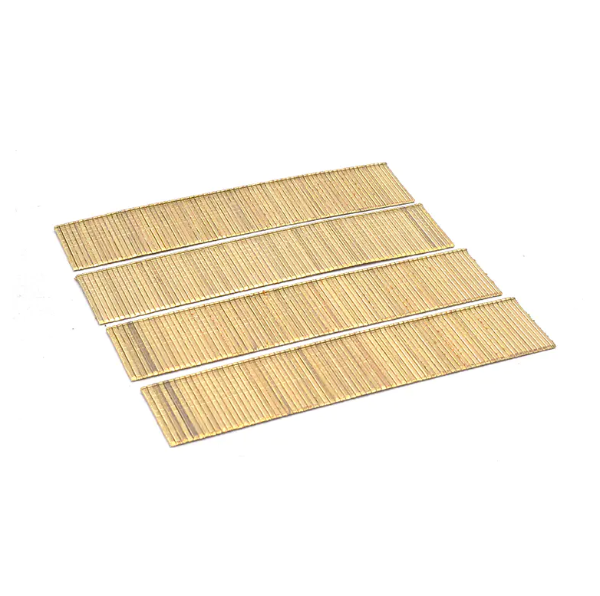
F Series Brad Nails have become a practical option for applications where wood components need to be held together while maintaining a relatively neat surface appearance. Their use can be found across furniture assembly, interior woodwork, decorative projects, cabinetry, and other woodworking tasks.
The growing interest in these small fasteners reflects a wider change in woodworking. Manufacturers and craftsmen are paying more attention to how joining methods affect the final appearance, production flow, and handling of finished components.
Rather than being viewed simply as small pieces of metal, brad nails can be considered part of a broader approach to assembling detailed wood products.
Why Are F Series Brad Nails Used in Fine Woodworking?
Fine woodworking usually means smaller parts and more exposed surfaces than, say, framing lumber or shipping crates. A fat staple or a large finish nail head can wreck the look of a piece that's meant to read as refined.
Nails address that by staying thin—typically in the 18-gauge range, sometimes finer—so the entry hole is small enough to disappear under a bit of filler, paint, or a light sanding. That's the whole appeal: enough holding power to keep a component in place, without a fastener that fights the finish.
They tend to show up wherever a joint doesn't need heavy structural strength but does need to stay put while glue cures or while the piece moves down the line. Trim work is the obvious example, but the same logic applies to attaching molding, securing thin panels, or tacking a decorative overlay before final assembly.
The nail's job isn't only mechanical. A well-chosen brad nail also saves labor. Instead of clamping a piece and waiting, a worker can tack it in seconds and move to the next task. That's a production benefit as much as an aesthetic one.
How Do F Series Brad Nails Fit Into Furniture Manufacturing?
A cabinet or case piece isn't one uniform joint repeated over and over. It's a mix of structural panels, thin backs, applied trim, and small decorative details, each with different fastening needs. Treating all of them the same way usually wastes time or weakens something that needed a stronger connection.
Brad nails earn their place in the lighter end of that spectrum. They're not meant to replace screws, dowels, or heavier nails in load-bearing joints. Where they're useful is in holding a component in position—often temporarily, sometimes permanently—while other parts of the assembly come together.
Shops running any kind of repeat production lean on this. A pneumatic or electric brad nailer lets a worker drive fastener after fastener at a consistent depth without treating every small attachment as a separate hand-clamped operation. That consistency matters more than it sounds; a slightly proud nail head or a blown-out exit point can turn into a warranty complaint later.
Typical furniture uses include:
- Trim attachment: Securing molding or edge trim to a larger case without visible hardware.
- Cabinet assembly: Light-duty joining during box construction, particularly on parts that will be glued as well.
- Back panels: Tacking thin plywood or hardboard backs into a rabbet or frame.
- Decorative components: Fastening appliqués, rosettes, or overlays where a screw head would look wrong.
- Wooden frames: Holding mitered or butt-jointed frame pieces aligned during glue-up.
- Interior furniture details: Drawer fronts, small shelf supports, and similar parts that don't carry much load.
- Craft furniture: Small-batch or one-off pieces where speed matters but so does appearance.
- Repair work: Reattaching a loose molding strip or veneer edge without introducing a large fastener.
None of this makes brad nails a universal fastener. A joint that needs real pull-out strength, or one that will see repeated stress, generally calls for something else—screws, dowels, biscuits, or a mechanical fastener with more shank diameter.
What Makes Small Fasteners Relevant to Modern Furniture Design?
Modern furniture often combines appearance with practical construction. Clean lines and simple surfaces leave little room for visible fastening marks. Designers may therefore need to think about joining methods at an early stage.
Small fasteners can support this approach when they are appropriate for the intended joint. They can help connect relatively small components while allowing the visible surfaces to remain visually consistent.
This becomes more interesting when furniture contains decorative details. Trim, molding, edging, frames, and other finishing elements may require secure attachment without drawing attention to the fastening point.
The relationship between design and fastening can be seen in several areas:
| Furniture Element | Common Assembly Consideration | Possible Role of F Series Brad Nails |
|---|---|---|
| Decorative Trim | The connection should not dominate the finished appearance | Supports attachment of selected trim pieces |
| Cabinet Components | Small parts may need quick and consistent joining | Can assist with suitable light assembly work |
| Back Panels | Thin components require appropriate fastening | May help secure selected panel sections |
| Wood Frames | Components need to remain aligned during assembly | Can support joining where the joint allows |
| Furniture Edges | Visible surfaces require careful treatment | Can be used where a less noticeable fastening point is useful |
| Interior Details | Small pieces may be difficult to hold manually | Provides a practical way to secure selected components |
| Decorative Panels | Appearance can be affected by visible hardware | May help keep fastening points visually subtle |
| Craft Projects | Handmade products may involve varied small components | Offers another fastening option for suitable woodworking tasks |
The fastener is only one part of the design decision. The joint itself, the type of wood, the finished appearance, and the intended use of the product all matter.
Can F Series Brad Nails Support Cleaner Woodworking Finishes?
Appearance is an important consideration in furniture and interior woodwork. A fastening point that attracts attention can interrupt an otherwise clean surface.
Brad nails are often considered for applications where a smaller fastening point is desirable. Once the assembly is complete, the fastening location may become less noticeable depending on the material, finishing method, and design.
This can be useful for decorative woodworking. A craftsman may want to secure a trim piece while keeping the visual focus on the shape and finish rather than on the hardware.
However, the final appearance still depends on the entire finishing process. Wood preparation, surface treatment, paint, coating, and workmanship all contribute to how visible a fastening point becomes.
Manufacturers and woodworkers should therefore consider fastening and finishing together. Choosing a fastener without considering the final surface may create additional work later.
Where Are F Series Brad Nails Finding Applications Beyond Furniture?
Furniture remains an important area, but woodworking extends into many other products and environments. Interior decoration, cabinetry, doors, frames, display structures, and craft products can all involve small wood components that need to be secured.
Interior projects are particularly relevant because appearance often matters as much as basic assembly. Wall panels, decorative frames, trim elements, and other wood features may require fastening methods that do not interfere with the overall visual design.
Small workshops can also benefit from having flexible fastening options available. A single project may involve different materials and several assembly steps. The ability to select an appropriate fastener for each task can make the workflow easier to manage.
Applications can be grouped by the type of work involved:
Furniture production
Cabinets, tables, shelving, storage products, and other furniture may include smaller components that require fastening.
Interior woodworking
Trim, decorative panels, frames, and finishing elements may need discreet attachment.
Cabinet and joinery work
Small wood components can require temporary or final fastening depending on the construction method.
Craft manufacturing
Small-batch products often involve detailed assembly where the appearance of the finished piece matters.
Repair and maintenance
Certain damaged or detached components may be secured again with a suitable small fastener.
Display and decorative structures
Temporary displays, shop fittings, and decorative wood structures may involve lightweight components that require practical joining.
The application should determine the fastening choice. A fastener suitable for a decorative trim piece may not be appropriate for a joint carrying a significant load.
How Does Tool Compatibility Affect the Use of F Series Brad Nails?
Fasteners are closely connected to the tools used to install them. A nail that fits the intended application still needs to be compatible with the fastening equipment.
For workshops, this relationship can affect production flow. When the fastener and tool work together as intended, workers can perform repeated fastening tasks more consistently.
Tool compatibility also matters for handling. Different projects may involve different fastening positions, materials, and working environments. The equipment should allow the operator to work comfortably while maintaining control of the fastening process.
Before selecting F Series Brad Nails, users can consider several practical points:
- Check whether the nails are intended for the available fastening tool.
- Confirm that the fastener is suitable for the material being joined.
- Consider the type of joint rather than choosing a fastener based only on appearance.
- Review how the finished surface will be treated.
- Think about how frequently the fastening operation will be repeated.
- Consider whether the application is structural, decorative, or mainly for positioning.
- Check whether the fastening point will remain visible after finishing.
- Discuss unusual applications with the supplier before placing a larger order.
These considerations can help reduce mismatches between fasteners and equipment. They also make the purchasing process more closely connected to the actual woodworking task.
Why Does Fastener Selection Matter for Custom Furniture?
Custom furniture creates different challenges from standardized production. A workshop may receive projects with unusual dimensions, different wood types, decorative details, and changing assembly requirements.
The fastening method needs to fit the individual project. A fastener that works well for one cabinet design may not be suitable for another product with different materials or joint conditions.
Nails can be useful in selected custom furniture applications where small components need to be attached without making the fastening hardware a major visual feature.
They can also support flexible workshop routines. Custom furniture often requires frequent changes between tasks. Workers may move from cabinet assembly to trim attachment or decorative work within the same project.
The fastener becomes one of several tools available to the workshop. Its usefulness depends on choosing it for the right connection rather than trying to use the same fastening method everywhere.
Should Manufacturers Look Beyond the Fastener When Planning Woodworking Production?
A fastener may be small, but it is connected to several larger production decisions. Material preparation, component design, assembly order, tool selection, finishing, and inspection can all affect the final result.
When manufacturers review their woodworking process, they can look at how fastening fits into the complete workflow. A connection that takes too long to prepare may slow assembly. A fastening point that requires additional finishing may create extra work. A poorly matched tool can also interrupt production.
This is why supplier communication can be useful. Instead of asking only about the availability of F Series Brad Nails, buyers can explain the type of woodworking application, material, assembly task, and finishing expectations.
A supplier that understands the application can provide more relevant product information. Buyers can then compare options according to actual requirements rather than relying only on product descriptions.
The broader trend is clear within woodworking: small construction decisions are becoming more closely connected to the finished product. Furniture makers and woodworking businesses are paying attention not only to what holds a product together, but also to how the fastening method affects appearance, assembly, and production flow.
F Series Brad Nails occupy a relatively small place within this process, yet they can be useful where detailed wood components require a practical and less visually dominant fastening option. Their applications continue to depend on the specific joint, material, tool, and finish involved in each woodworking project.

 Quick Links
