


 English
 русский
 中文简体
 عربى
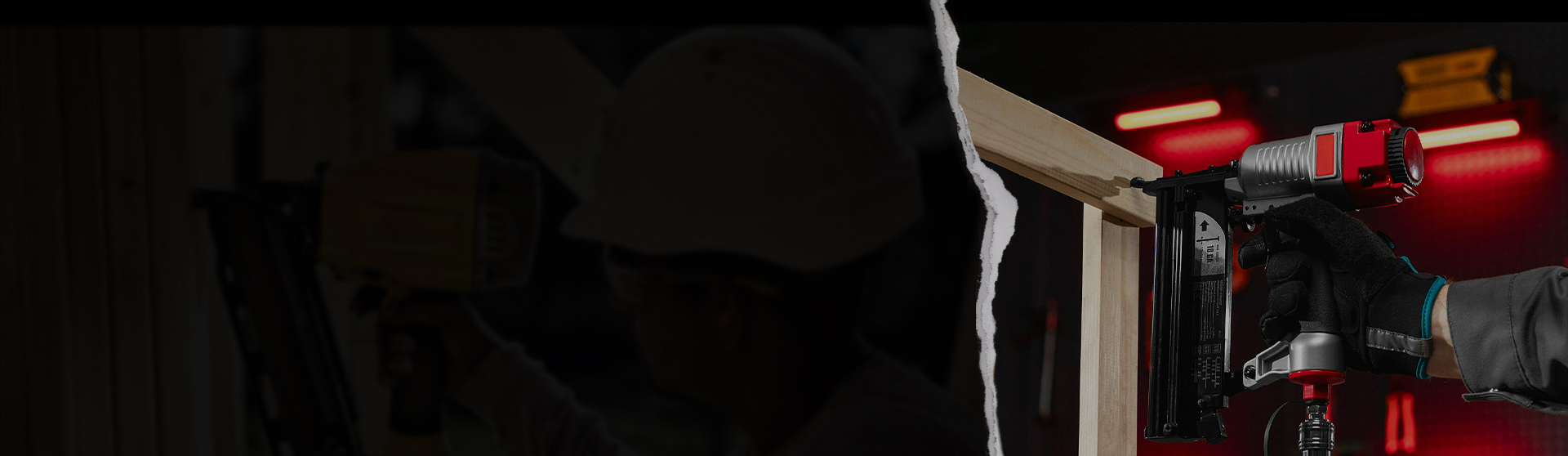
Walk through a corrugated box factory and you will see that making a carton involves more than cutting and folding sheets of board. The folded sections have to be joined before the box can be packed with goods. Depending on the box construction, this may be done with glue, tape, or metal fasteners.
Carton closing staples are used when a manufacturer chooses mechanical fastening to connect overlapping sections of paperboard. They are driven through the material by a compatible stapling tool, securing the joined areas without relying on an adhesive bond.
This type of fastening is relevant to several packaging operations, from closing carton flaps to joining sections during box assembly. The actual application varies between factories. A small packaging workshop using a handheld stapler has different requirements from a facility running a dedicated carton-closing machine.
For buyers and production managers, the important questions are practical: Where will the staples be used? What kind of board needs to be joined? Which machine will feed them? These details are worth sorting out before selecting a product.
The Closing Stage Starts With the Box Structure
A corrugated carton begins as a flat sheet. After the board has been prepared, it goes through cutting and creasing to create the shape needed for folding. Printing may be added depending on the packaging order.
Once the blank is folded, certain sections overlap. These joints give the carton its final shape and need to be secured before it moves into storage or packing.
Not every box is assembled in the same way. Some designs use glued joints along the side panel, while others rely on tape or mechanical fastening. The decision is usually connected to the packaging specification and the equipment already used in the factory.
For a carton that requires stapling, the overlapping sections are brought together and positioned under the fastening tool. The operator then applies the fastener at the designated location.
This sounds like a small operation, but it affects the rest of the workflow. Poorly aligned flaps can make fastening difficult. Incorrect staple selection may cause feeding problems. If the tool does not suit the fastener, production can be interrupted even when the carton material itself is suitable.
That is why the fastening method should be considered when the box is being designed, not only after the board has been manufactured.
What Happens When a Staple Enters Corrugated Board?
A carton staple is formed from metal wire into a shape with a crown and two legs.
The crown sits across the outside of the joint. Its legs pass through the overlapping board sections and are retained by the fastening mechanism.
When the operator activates the stapler, the driving mechanism pushes one fastener through the material. Depending on the tool construction, the legs are clinched or secured in the supported configuration.
The finished joint holds the board sections together through mechanical engagement.
There are a few details worth paying attention to during this operation.
First, the board needs to be positioned correctly. If the two sections move apart or become misaligned, the staple may not enter the intended area.
Second, the fastener must suit the material being joined. A carton made from several layers of board presents different conditions from a lighter packaging structure.
Finally, the stapler needs to drive and secure the fastener as intended. A suitable product can still produce inconsistent results when the equipment is poorly adjusted or incorrectly loaded.
Where Do Manufacturers Apply Mechanical Fastening?
The position of the staples depends on how the carton is constructed. In practical production, the fastening operation may take place during box assembly or after the carton has been filled.
Joining the Bottom Flaps
Bottom flaps form the base of the carton. Their arrangement depends on the box style, and some designs bring several sections together to create an overlapping joint.
Where mechanical fastening is specified, staples can be applied across the joined area. The positioning needs to account for the available board surface and the intended structure of the base.
This is particularly relevant when the manufacturer needs the fastening operation to be completed as part of carton assembly.
Closing the Top After Filling
The upper flaps are usually brought together once the products have been placed inside.
A stapling tool can be used to secure the overlapping sections when the packaging specification calls for this type of closure. In some facilities, the operator works at an individual packing station. Other operations may use dedicated closing equipment.
The important point is to maintain the intended flap position while fastening. A staple placed across an incorrectly aligned joint will not correct the underlying assembly problem.
Securing Side Joints
Some carton designs contain an overlapping side seam. This section is joined when the flat blank is formed into a box.
Mechanical fastening may be used for this joint when supported by the carton design and production method.
For manufacturers, the location of the seam and the available fastening space should be considered together. The finished fastener should not interfere with the carton opening or the intended use of the package.
Stick or Roll: Which Staple Format Does the Machine Need?
When purchasing carton fasteners, buyers sometimes focus on the staple dimensions before checking the supply format. This can create avoidable confusion.
Stick staples and roll staples are both used in carton-closing applications, but they are loaded differently.
| Item | Stick Staples | Roll Staples |
|---|---|---|
| Arrangement | Connected in a straight strip | Connected in a coil |
| Feeding system | Magazine or strip-fed system | Roll-fed system |
| Equipment | Compatible strip stapler | Compatible roll stapler |
| Purchasing consideration | Strip profile and machine requirements | Coil arrangement and machine requirements |
When Are Stick Staples Used?
Stick staples are joined together in a straight arrangement. They are designed for tools that feed fasteners from a magazine. This format is relevant to packaging businesses already operating strip-fed staplers. Operators can load the required staples into the equipment and use the tool to fasten the carton sections.
When purchasing this type, buyers should confirm the staple profile and feeding requirements specified by the equipment manufacturer.
When Are Roll Staples More Suitable?
Roll staples are arranged in a continuous coil. They are intended for equipment with a compatible roll-feeding mechanism.
Neither format should be selected simply because it is easier to store or looks more convenient. The stapling machine determines which arrangement can be used.
Before requesting a quotation, it is useful to check the machine manual or provide the supplier with the existing fastener sample. This makes it easier to identify the required product configuration.
Why Does the Board Material Matter?
Corrugated board is not a single uniform material. Its thickness, flute construction, linerboard, and overall rigidity vary according to the packaging application.
A fastener needs to work with the actual material, not just the general description of the carton.
The Relationship Between Board Thickness and Leg Length
Staple legs need to pass through the sections being joined and remain secured.
If the selected legs do not correspond with the material thickness, the fastening result may be inconsistent. Legs that are unsuitable for the board construction can also create problems during operation.
For this reason, buyers should explain how many board layers are being joined and provide information about the carton material.
Crown Width and Fastening Position
The crown crosses the joint and connects the two legs. Its width needs to suit the fastening area and the equipment.
A narrow or wide crown may be appropriate depending on the carton design. What matters is whether the selected configuration can be used correctly with the intended tool and material.
The position of the fastener also deserves attention. Operators should follow the carton specification rather than placing staples wherever there is available space.
Wire and Surface Treatment
Metal wire is the basic material used to form the fastener. Its characteristics and surface treatment should be considered in relation to the intended working environment.
Copper-coated and galvanized finishes are available for carton fastening products. Buyers may have different preferences depending on storage conditions, purchasing specifications, and their existing production requirements.
When comparing products, it is useful to discuss the finish with the supplier rather than assuming that all coated staples serve the same purpose.
How Does Stapling Compare With Glue and Tape?
There is a reason corrugated packaging manufacturers continue to use different closing methods. Each one has its own place in box production.
| Consideration | Stapling | Gluing | Tape |
|---|---|---|---|
| How it works | A metal fastener joins overlapping board | Adhesive bonds the surfaces | Tape covers and seals the joint |
| Equipment | Stapling tool or machine | Glue applicator | Manual or automatic tape sealer |
| Visible finish | Exposed metal fasteners | Bonded seam | Visible tape |
| Main concern | Fastener and machine compatibility | Adhesive application and bonding | Tape adhesion and application |
| Suitable use | Cartons designed for mechanical fastening | Cartons designed for bonded joints | Carton sealing during packing |
Consider a packaging factory that produces different types of shipping boxes. One carton may be designed for adhesive bonding, while another may have overlapping flaps intended for mechanical fastening.
Using the same closing method for every box is not necessarily practical.
Stapling is worth considering when a physical fastener is required by the carton design. Glue may be more appropriate when the joint is intended to be bonded across its surface. Tape is commonly used when the main task is sealing a filled carton.
The choice should follow the packaging requirements, rather than a general preference for one method.
Production Problems That Operators Should Watch For
A stapling issue does not always mean the fastener itself is defective. The problem may come from loading, machine condition, material positioning, or an unsuitable product configuration.
Here are some situations that packaging operators may encounter.
| Production issue | Possible explanation | Inspection point |
|---|---|---|
| Staples do not feed | Incorrect format or damaged connected staples | Check the magazine or coil arrangement |
| Legs bend | Fastener selection does not suit the material | Review board construction and staple details |
| Fasteners are uneven | The carton moves during fastening | Check workpiece positioning |
| Board is damaged | Driving conditions or staple placement are unsuitable | Inspect tool settings and fastening position |
| Staple legs are not secured | Tool mechanism or operation is incorrect | Check the clinching arrangement |
When the same problem appears repeatedly, changing the fastener without checking the machine may only create another issue.
A sensible approach is to inspect the tool, confirm that the correct fastener has been loaded, and test the product with the actual corrugated board.
Operators should also pay attention to storage. Fasteners that have been damaged or handled improperly may not feed as expected.
Routine inspection of the stapling equipment helps identify worn parts and feeding problems before they affect a larger production batch.
What Information Helps When Buying Carton Fasteners?
For overseas buyers, the product name alone is rarely enough to describe the purchasing requirement. Different machines and carton structures can call for different fastener configurations.
A supplier will usually need some basic application information.
- Machine model: The brand and model of the stapling equipment help establish which fastener formats it accepts.
- Staple format: Confirm whether the machine uses connected strips or coils.
- Carton material: Explain the type and construction of the corrugated board.
- Fastening location: State whether the product is intended for the bottom, top, or side section.
- Product configuration: Provide the required crown, leg length, and wire details where available.
- Surface finish: Identify the preferred coating or finish.
- Order requirements: Explain the purchasing quantity and packaging arrangement.
If the factory is already using a particular product, sending a sample is often a practical starting point.
This is especially helpful when the original product description is incomplete or the buyer is looking for an alternative supplier. A sample gives both parties something concrete to examine.
For repeat orders, keeping the approved specifications on record also makes communication easier.
What Happens During the Manufacturing of Carton Staples?
Although the finished fastener is small, its production involves several operations.
The process starts with metal wire prepared for the intended staple construction. The wire is processed and formed into the required shape, creating the crown and two legs.
The formed staples are then arranged according to their supply format. Depending on the product, this may involve connecting them into straight strips or continuous coils.
Surface treatment is another consideration. Copper-coated and galvanized products require the appropriate treatment process to achieve the agreed finish.
During production inspection, manufacturers may check the staple shape, connection between individual fasteners, surface appearance, and other specified product requirements.
For buyers, it is worth asking how the supplier handles finished-product inspection and packaging. These details are relevant when fasteners are purchased in regular quantities and need to be supplied to production facilities over time.
Selecting a Product for Your Carton Production Requirements
A suitable fastening product starts with an understanding of the box itself. The board construction, fastening position, and equipment all need to be considered together.
For example, a manufacturer using strip-fed equipment should not order roll-format staples without confirming that the machine supports them. Likewise, the required leg length and crown should be checked against the actual carton material.
Zhejiang Chaoyue Hardware & Chemicals Co., Ltd. supplies carton closing staples in copper-coated and galvanized finishes, with stick and roll formats for different equipment arrangements.
When making an inquiry, providing the stapler model, existing fastener sample, and intended carton application can help clarify the purchasing requirements.
Frequently Asked Questions
Are carton staples suitable for all corrugated box designs?
No. Their use depends on the carton structure and whether the design allows mechanical fastening. Some boxes are designed for glue or tape instead.
Can the same staples be used in different stapling machines?
Not necessarily. Machines have different feeding arrangements and fastener requirements. Buyers should check the equipment specifications before using a different staple product.
Why do some manufacturers choose roll staples?
Roll staples are intended for machines with a coil-feeding system. Their use depends on the equipment arrangement and the factory's production requirements.
What should I do if staples keep bending during operation?
Check whether the selected fastener suits the board thickness and whether the stapling tool is operating correctly. Material positioning and machine settings should also be inspected.
Are galvanized and copper-coated staples available?
Both finishes are used in carton fastening products. The appropriate option depends on the buyer's requirements and the intended storage and operating environment.
Can buyers provide a sample when requesting a quotation?
Yes. An existing fastener sample, together with the stapler model and carton material information, can help the supplier understand the required product configuration.

 Quick Links

