


 English
 русский
 中文简体
 عربى

Picture a normal shift. The stapler has been cycling steadily, then it clicks without firing. A fastener sits folded in the nose, the line pauses, and someone reaches in to clear it. After a few repeats, the staples usually take the blame.
Where Exactly Did the Staple Get Stuck?
The position of the jam often points toward the cause, so it helps to note it before clearing the tool.
Stuck Inside the Magazine
This usually suggests a fit issue, a deformed strip, debris in the channel, or a pusher spring that has lost tension.
Stuck Under the Driver or at the Nose
This often indicates a worn or dirty driver blade, or a nose that is not aligned with the carton.
Fired but Closed Poorly
If the clinch looks loose or crooked, check leg length, board construction and flap position before opening the machine.
Recording the location over several incidents often reveals a repeating pattern.
Is the Fastener Really Matched to Your Stapler?
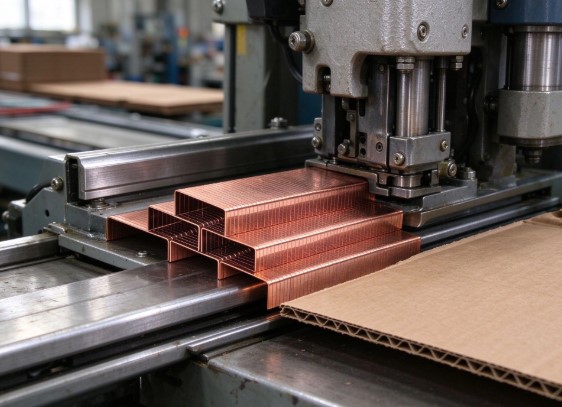
Two products can look alike and still behave differently in the same tool. Differences in crown width, leg length, wire formation or strip construction change how a strip sits in the magazine and how it moves under the driver.
Compare these points with the stapler manual or nameplate:
- Crown width and magazine design
- Leg length and the board being closed
- Wire formation and surface finish
- Stick or roll format, which need different feeding arrangements
If the tool model is unclear, a sample sent to the manufacturer helps confirm compatibility before a bulk order.
Could the Strips Have Been Damaged Before Loading?
Quite possibly. Transport and storage affect feeding more than many teams expect. Boxes can be crushed, stacked under heavy freight or kept in damp areas. The bonding that holds a strip together may weaken, and single staples can twist or separate.
A quick incoming check helps:
- Confirm the strip is straight and evenly aligned.
- Look for rust marks, moisture or dust on the wire.
- Check that the inner packaging is intact.
- Remove any damaged section instead of loading it.
Is a Dirty or Worn Driver Blade Behind the Problem?
It is a frequent cause, especially on lines that handle a lot of corrugated board. The blade contacts every fastener, so wear builds up over time, and board releases fine paper dust that settles around the nose.
Typical symptoms:
- Fasteners that are only partly driven
- Several normal cycles followed by a missed one
- Small pieces of bent wire collecting near the nose
Light contamination can be removed during scheduled cleaning. A chipped or rounded blade should be replaced following the manufacturer's guidance. Isolate the power or air supply before any hands-on work.
Why Do Jams Appear Only When the Magazine Runs Low?
The pusher spring or guide rail is a likely suspect. When spring tension drops, the tail end of a strip may fail to advance. A bent or worn guide rail can also let staples twist or shift sideways.
This is a common source of misdiagnosis. A tool may run well on one batch and struggle on another, so the fasteners get blamed. Verify the pusher movement and inspect the channel for debris before drawing a conclusion.
Does the Carton Board Change the Result?
Yes. Board construction affects how legs penetrate and clinch. Multi-layer board, damaged edges and flaps that are not squared before stapling can all alter the outcome.
| Carton Condition | Possible Effect | What to Review |
|---|---|---|
| Thick or multi-layer board | Legs may not close fully | Leg length, tool setting |
| Uneven flaps | Fastener enters at an angle | Flap alignment |
| Damaged edges | Placement varies | Carton quality |
| Carton shifts during feeding | Closures land in different positions | Guides and positioning |
When a plant changes carton supplier or board grade, a short trial with the existing fasteners and stapler helps separate a material issue from an equipment issue.
Can Lubrication Really Affect Stapling?
For pneumatic tools, it can. Some models call for periodic lubrication, while others are designed to run without added oil. Too little may slow the cycle or cause uneven driving. Too much can attract dust.
Use only the lubricant type and method named in the equipment manual.
What Does a Simple Prevention Routine Look Like?
A steady routine usually reduces unplanned pauses better than reacting to each jam.
Before Production
- Match the fasteners to the tool specification
- Inspect strips or rolls for deformation
- Clear leftover pieces from the magazine
During Production
- Listen for changes in cycle sound
- Check closure quality on sample cartons
- Pause the tool when a pattern appears instead of forcing more cycles
During Scheduled Maintenance
- Clean the driver and nose area
- Inspect the blade, spring and guide rail for wear
- Replace parts according to the manufacturer's instructions
Keep a Simple Record
Note the machine, batch, carton type and jam position. A few weeks of entries often make the cause easier to see.
What Should Buyers Confirm Before Placing an Order?
Appearance and price alone do not show whether a product suits a given line. These items are worth agreeing on with the supplier.
| Item to Confirm | Reason |
|---|---|
| Crown width and leg length | Fit with the stapler and the board |
| Wire formation | Feeding consistency |
| Surface finish | Suitability for storage and use conditions |
| Stick or roll format | Compatibility with the feeding system |
| Inner and outer packaging | Protection during transport |
| Batch inspection | Consistency between repeat orders |
What to Include in a Quotation Request
- Stapler brand and model
- A sample of the fasteners currently in use
- Carton board type and typical application
- Preferred finish, such as copper-coated or galvanized
Who Can Help Match the Right Product?
CN Chaoyue Nail manufactures carton closing staples for industrial packaging, with copper-coated and galvanized options available. Buyers can share the stapler model, carton type and preferred format, and the team will work through product details with them. A sample makes comparison clearer for both sides.
Quick Questions From the Packing Floor
Why does jamming start after a new batch arrives?
The batch may differ slightly in dimensions or formation, or the strips may have been deformed in transit. Check compatibility and inspect the strips before adjusting the machine.
Can roll fasteners be used in a stick-type stapler?
Only if the tool is designed for both. Each format needs a matching feeding arrangement, so confirm with the equipment manual.
How can I tell whether the carton is the cause?
Run the same fasteners and tool on a different board. If the problem disappears, review leg length and board construction.
When is technician support necessary?
When jams continue across several compatible batches, or when the spring, guide rail or driver blade shows visible damage.
Jamming seldom comes from one factor. Fastener fit, strip condition, driver cleanliness, spring tension and board construction all contribute. Start with compatibility and the feeding path, then inspect the driver and magazine, and finally review the board and tool settings. Clear specifications at the ordering stage, together with routine records, reduce avoidable interruptions on the packing line.

 Quick Links

