

 English
 русский
 中文简体
中文简体 عربى
عربى
Plasterboard has become a familiar part of modern interior construction. It can create clean wall surfaces, smooth ceilings, partitions, and finished interior spaces without adding unnecessary complexity to the building process. Yet behind every neat plasterboard surface is a fastening system that helps keep the boards in place.This is where Gyprock Screws come into the picture.
The screw may look like a small part of the installation. Its role, however, is closely connected to the stability and appearance of the finished plasterboard surface. A suitable screw helps connect the board with the supporting frame. It also allows installers to position the board securely before joints are finished and the surface receives its final treatment.
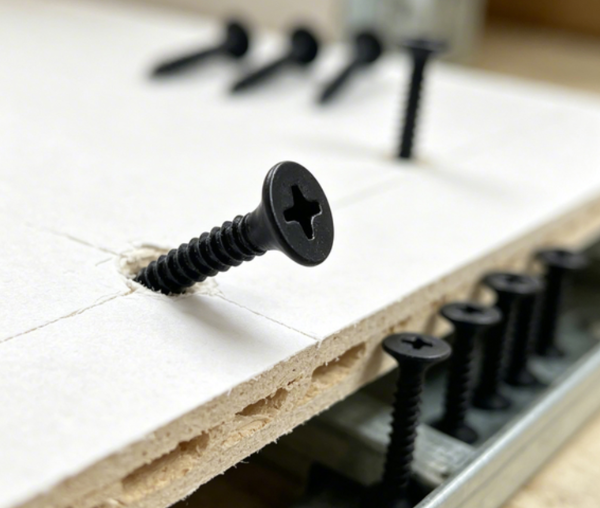
Gyprock plasterboard installation can involve timber, steel, or masonry construction. Different surfaces call for different fixing approaches. Manufacturer installation guidance also shows that screws and other permanent fasteners can form part of plasterboard fixing systems for walls and ceilings.
The growing use of plasterboard in residential and commercial interiors has therefore kept attention on the small components that support installation. Gyprock Screws are one of those components.
What Role Do Gyprock Screws Plastic Play in Plasterboard Installation?
The main role of a Gyprock Screw is to hold plasterboard against its supporting structure. The board is placed in the intended position, and the screw creates a mechanical connection between the board and the frame.
This connection helps prevent unwanted movement during construction. It also gives the installer greater control over the position of each board. Once the boards are secured, the joints and screw heads can be treated as part of the finishing process.
A plasterboard sheet is relatively broad compared with the small area occupied by each screw. This means that screw placement becomes part of the overall installation method. The goal is not simply to add as many screws as possible. The fasteners need to work with the board, framing, and finishing system.
The screw also needs to suit the material behind the board. Timber framing and steel framing have different characteristics. For this reason, plasterboard systems commonly distinguish between fixing approaches for different types of supporting structures.
In practical terms, Gyprock Screws help turn a loose sheet of plasterboard into part of a stable wall or ceiling assembly.
How Do Gyprock Screws Secure Plasterboard to the Frame?
The installation process starts with positioning the plasterboard against the supporting frame. The installer then drives the screw through the board and into the frame.
As the screw enters the supporting material, it creates a connection that holds the sheet against the structure. This helps keep the board from shifting while additional sheets are installed.
The screw head also has an important relationship with the plasterboard surface. A suitable head allows the fastener to sit appropriately within the board without creating unnecessary surface damage. After installation, the screw heads can be covered during the finishing process.
This is one reason screw selection matters. A fastener that does not suit the board or framing can make installation more difficult. It may also create problems during finishing.
The relationship can be viewed simply:
| Installation Element | Main Role |
| Plasterboard | Forms the finished wall or ceiling surface |
| Gyprock Screw | Connects the board to the supporting structure |
| Timber or steel frame | Provides the structure behind the board |
| Screw head | Sits within the board surface and supports later finishing |
| Jointing material | Covers joints and fastener areas during finishing |
The complete installation depends on how these elements work together. The screw is only one part of the system, but it provides the mechanical connection that holds the board in position.
Why Is Screw Selection Important for Plasterboard?
Not every plasterboard installation is the same. Boards can vary in construction and intended use. The supporting frame can also change from timber to steel. This affects the type of screw that should be considered.
Gyprock product guidance, for example, identifies screws designed for high-density plasterboard and notes that suitable versions can be used with both timber and steel substrates.
The choice should therefore begin with the board and the structure behind it.
A suitable screw should be compatible with the board surface. It should also be appropriate for the supporting material. The installer needs to consider how the fastener enters the frame and how the screw head interacts with the plasterboard.
There is another practical point. The screw should support the intended finish.
Plasterboard surfaces are usually prepared after the boards have been fixed. Joints are filled, screw heads are covered, and the surface is prepared for decoration. A fastening method that leaves excessive damage around the screw head can make this later work more difficult.
This is why screw selection is connected to more than holding power. It can also influence how smoothly the installation moves from board fixing to surface finishing.
Can Gyprock Screws Be Used With Timber Framing?
Yes. Timber framing is a common supporting structure for plasterboard walls and ceilings, and screw fixing is an established part of these installation systems.
When working with timber, the screw needs to create a secure connection with the framing while passing cleanly through the plasterboard. The installer also needs to position the board so that the screw reaches the supporting timber rather than an unsupported area.
Good board positioning makes the work easier. The frame provides the path for fastening, while the screw connects the board with that frame.
Gyprock installation guidance includes plasterboard fixing systems for timber framing, with screws used as permanent fasteners.
Timber framing also appears in many different interior applications. It can be used for partitions, wall linings, ceilings, and other areas where plasterboard forms the visible surface.
For installers, the main concern is making sure the selected screw matches the board and the timber framing system. The fastening method should also follow the installation requirements for the particular wall or ceiling.
How Do Gyprock Screws Work With Steel Framing?
Steel framing creates a different fastening environment from timber. The supporting material is thinner and has different characteristics, so screw selection needs to reflect the framing system.
Suitable plasterboard screws can be designed for use with steel substrates. The purpose remains the same: connect the plasterboard to the frame and hold it in its intended position.
The difference is found in how the screw interacts with the supporting structure.
A suitable screw allows the installer to work efficiently while creating a stable connection. This becomes particularly useful in commercial interiors, where steel framing is widely used for walls and ceilings. Gyprock's commercial installation information also covers plasterboard systems associated with steel-framed construction.
The board, screw, and steel frame need to function as a coordinated system. If the fastener is poorly matched to the framing, installation can become slower and surface finishing may become more difficult.
The same principle applies to both residential and commercial work. The visible result may be a simple plasterboard wall, but the quality of that surface depends partly on what happens behind it.
How Do Gyprock Screws Affect the Finished Plasterboard Surface?
A screw does more than hold a board in place. Its position and installation can also affect the appearance of the finished surface.
Once plasterboard has been installed, screw heads are normally covered during finishing. If the screw sits appropriately in the board, the finishing material can cover the fastening point and create a smooth surface.
Problems can occur when a screw is installed too aggressively or when the selected fastener does not suit the board. The surface around the head may become damaged. This can create extra work before painting or other finishing begins.
This issue becomes more noticeable with certain dense or specially designed plasterboards. Product information for high-density Gyprock plasterboard, for example, describes screw designs intended to reduce surface problems around the fastener head.
The installer therefore needs to think beyond the moment when the screw enters the board.
A good fastening process should support the next stage of construction. The screw should hold the board securely while leaving the surface in a condition that can be finished without unnecessary repair.
This creates a simple chain:
Screw selection → Board fixing → Surface condition → Joint treatment → Final finish
Each step is connected to the one before it.
Are Gyprock Screws Used Alone or With Other Fixing Methods?
Gyprock Screws can be used as part of a wider fixing system. In many plasterboard installations, mechanical fasteners are combined with adhesive or other supporting methods.
Gyprock installation guidance describes fixing systems that use both adhesive and permanent fasteners for interior walls and ceilings. It also notes that different combinations can apply depending on the characteristics and position of the wall or ceiling.
Adhesive can help hold a board against the frame during installation. The screw then provides a permanent mechanical connection. Together, the two methods can make the installation process easier to manage.
However, not every wall uses the same approach. Some applications may call for fasteners without adhesive. Fire-rated systems, tiled walls, existing linings, and other special conditions can require different fixing methods.
This is why installers need to consider the complete system rather than treating screws as an isolated component.
| Installation Condition | Possible Fixing Approach |
| Standard interior wall | Screws may work with adhesive as part of a fixing system |
| Interior ceiling | Mechanical fasteners can help secure the board to the supporting frame |
| Timber framing | Screws connect plasterboard with timber supports |
| Steel framing | Suitable screws connect the board with metal framing |
| Special wall systems | The required fastening method may vary according to the system |
| Existing lining | Fastener selection may need to account for the existing surface |
The right combination depends on the construction method and the requirements of the particular project.
How Can Installers Make Better Use of Gyprock Screws?
A smooth plasterboard installation begins before the screw is driven into the board. The installer needs to understand the wall or ceiling layout and identify the supporting structure behind the sheet.
Several practical points can help keep the process organized.
- Check the supporting structure
The installer should know whether the board is being fixed to timber, steel, masonry, or another suitable support. The screw needs to match that structure. - Match the screw to the board
Different plasterboard products may have different characteristics. High-density boards, for example, may require screws designed specifically for that type of material. - Position the board carefully
The board should sit correctly against the supporting structure before fastening begins. Good positioning reduces the chance of misplaced screws and unnecessary adjustments. - Pay attention to the screw head
The head should sit appropriately within the board. Excessive damage around the fastening point can create additional finishing work. - Follow the selected installation system
A wall, ceiling, tiled area, or special construction system may require a different approach. Installation instructions should guide the choice of fasteners and fixing methods. - Consider the finishing stage
The fastening process should support the next stage of work. A securely fixed board with a manageable surface makes joint treatment and decoration easier.
These habits do not make plasterboard installation complicated. They simply connect the fastening stage with the rest of the construction process.
Gyprock Screws may be small, but their function sits at an important point in plasterboard installation. They help connect the visible board with the structure behind it, support stable positioning, and prepare the surface for the finishing work that follows. Their suitability depends on the plasterboard, supporting material, installation location, and overall fixing system.

 Quick Links
