


 English
 русский
 中文简体
中文简体 عربى
عربى
Building insulation may look simple once the finished wall is covered. Underneath that surface, however, the insulation needs to stay in the right position throughout the construction process and during everyday use of the building. On concrete walls, this can create a particular fastening challenge.
Concrete Insulation Nails are designed for this type of work. They help secure insulation materials to concrete and other masonry surfaces. Instead of allowing boards or other insulation products to move freely, these fasteners connect the insulation with the underlying wall.
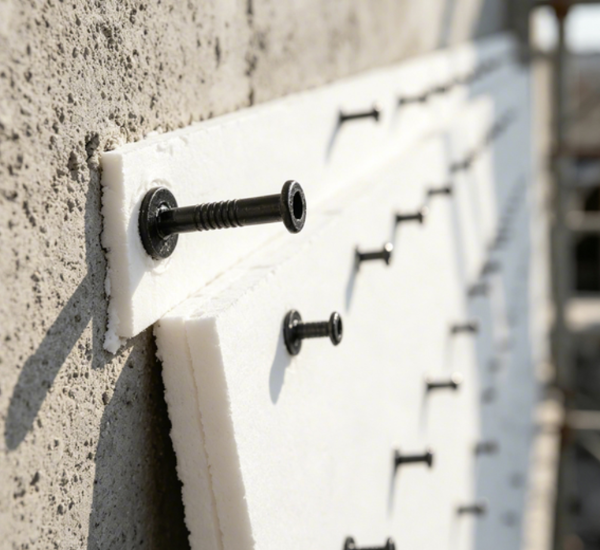
Their role can vary from one project to another. They may be used with rigid insulation boards, foam-based materials, mineral wool, and other products intended for building insulation. Some fastening systems are also designed for ceilings, basement walls, and exterior insulation applications.
The basic purpose is easy to understand. The insulation is positioned against the concrete surface, and the fastener helps hold it in place. Depending on the building system, adhesives, washers, battens, or other components may also be involved.
This makes Concrete Insulation Nails a small but important part of a larger insulation installation process.
Why Are Concrete Insulation Nails Used on Concrete Walls?
Concrete provides a strong base, but it is not always easy to attach insulation directly to it. Insulation boards are usually lightweight compared with the wall itself. They still need a suitable fixing method to remain securely positioned.
Nails provide a mechanical way to connect the insulation to the concrete substrate. This can be useful when adhesive alone is not enough for the intended installation or when the building system calls for additional mechanical support.
Installation guidance for insulation systems commonly shows mechanical fasteners being used through insulation boards and into concrete or masonry walls. The exact fastening approach depends on the insulation product and the wall construction.
Another reason for using these fasteners is installation flexibility. A concrete wall may be part of a basement, exterior wall, commercial building, industrial structure, or another type of construction. Each location can have different insulation requirements.
The fastener therefore needs to work as part of the complete wall assembly. It is not simply a nail driven into concrete. Its purpose is to help connect the insulation with the supporting surface while fitting the overall construction method.
What Types of Insulation Can Concrete Insulation Nails Help Secure?
Nails are associated with several types of insulation products. The exact choice depends on the fastener design, the insulation material, and the substrate.
Rigid foam boards are one common example. These boards can be installed against concrete walls and mechanically secured with suitable fasteners. Other insulation products, such as mineral wool and different rigid board materials, may also use mechanical fastening systems designed for concrete or masonry.
The fastener often works together with a head, plate, washer, or similar feature. This helps distribute the holding force over the insulation surface. Without suitable contact, a small fastening point could press too deeply into a soft insulation board.
The general relationship can be viewed like this:
| Insulation Material | Possible Role of Concrete Insulation Nails |
| Rigid foam board | Hold the board against a concrete or masonry surface |
| EPS insulation | Help secure the insulation during wall installation |
| XPS insulation | Provide mechanical attachment to a suitable substrate |
| Mineral wool board | Help keep the insulation positioned against the wall |
| Composite insulation board | Support mechanical attachment as part of the wall system |
| Other compatible boards | Provide additional fixing where the system requires it |
Not every insulation material should be paired with the same type of fastener. Material density, surface condition, board structure, and installation method can all affect the choice.
This is why product compatibility matters. A fastener that works well with one insulation board may not be appropriate for another.
Can Concrete Insulation Nails Be Used for Exterior Wall Insulation?
Yes, they can be used in some exterior insulation systems. Exterior wall insulation needs to remain securely attached to the underlying structure while also working with the layers installed over it.
Mechanical fasteners are commonly used to secure insulation boards to concrete and masonry substrates. Installation guidance for exterior insulation systems shows boards being attached with mechanical anchors after the boards are positioned on the wall.
The role of the fastener becomes especially important because exterior walls are exposed to changing environmental conditions. Wind, moisture, temperature changes, and construction activity can all affect the wall assembly.
Nails can help maintain the position of the insulation while the rest of the exterior system is installed. Depending on the construction method, the insulation may later be covered by a protective layer, render, cladding, or another finish.
The fastener should therefore be viewed as part of the complete system rather than as an independent product.
Exterior insulation also requires attention to the wall surface. Dirt, loose material, damaged areas, and moisture problems may affect the installation. Proper preparation helps the insulation and fastening system perform as intended.
Are Concrete Insulation Nails Useful for Basement Insulation?
Basement walls are another important application. Concrete and masonry are common materials in foundation walls, and these surfaces may need insulation to create a more comfortable and controlled interior environment.
Mechanical fastening can help secure rigid insulation boards against basement walls. Building guidance for basement insulation commonly includes concrete fasteners or masonry fasteners as part of the installation approach.
The condition of the basement wall needs attention before insulation is installed. Water intrusion, dampness, or other moisture concerns should be addressed as part of the building preparation process. Insulation fasteners cannot solve an underlying moisture problem.
Once the wall is suitable for insulation work, the boards can be positioned and secured using an appropriate fastening system. In some installations, furring strips or other interior components may be installed over the insulation. The fasteners can then become part of a larger wall assembly.
This makes basement applications slightly different from simple surface attachment. The insulation may need to work with framing, interior finishes, air sealing, and other construction elements.
The same basic principle remains. The fastener helps keep the insulation where it belongs while the surrounding wall system is completed.
Can Concrete Insulation Nails Be Used on Ceilings?
Ceiling insulation creates a different fastening situation because gravity acts directly on the insulation. A board attached to a wall may rest against the surface, while ceiling insulation needs more dependable mechanical support.
Some insulation fastening systems are designed specifically for use on the underside of concrete slabs or ceilings. Manufacturer installation information also distinguishes ceiling applications from wall applications because the fastening requirements can be different.
This means that a fastener suitable for a wall should not automatically be assumed to be suitable for a ceiling.
The insulation material also matters. A ceiling system needs to hold the material securely without damaging the board. The fastener head or washer should work with the insulation surface and the overall construction method.
Before installation, the installer may need to consider the concrete condition, insulation type, supporting structure, and finishing method.
A ceiling installation can also involve additional safety considerations during construction. The fastening system should be selected according to the building system and the requirements of the specific application.
How Do Concrete Insulation Nails Work With Other Fastening Methods?
Nails do not always work alone. Many insulation systems combine mechanical fastening with adhesive or other supporting methods.
Adhesive can help hold a board against a wall during installation. Mechanical fasteners can then provide additional attachment to the substrate. Some systems use battens or other structural elements that are also secured to the concrete.
For example, installation instructions for rigid insulation on concrete walls may describe using compatible adhesive to position the boards and concrete fasteners to attach the insulation through supporting battens.
This combined approach can make the installation process easier to organize. Each component has a different role.
| Fastening Method | General Role in Insulation Installation |
| Concrete Insulation Nails | Mechanically secure insulation to the concrete or masonry base |
| Adhesive | Helps hold insulation against the surface |
| Washers or plates | Spread fastening pressure over the insulation |
| Battens | Provide a supporting structure over or around insulation |
| Screws or anchors | Connect supporting elements with the underlying wall |
| Sealants | Help manage gaps and openings around the insulation system |
The correct combination depends on the building design. Some systems may use adhesive and mechanical fasteners together. Others may rely more heavily on mechanical attachment.
This is why it is useful to consider the entire installation rather than choosing a fastener in isolation.
What Should Installers Consider When Using Concrete Insulation Nails?
Choosing the right Insulation Nails starts with understanding the installation environment. The fastener needs to suit both the insulation and the concrete or masonry substrate.
The type of insulation is an important consideration. Soft insulation can respond differently to pressure than a rigid board. The fastener head or plate also needs to provide suitable contact with the insulation surface.
The wall itself matters too. Concrete, solid masonry, and other substrates can have different characteristics. Installation guidance generally recommends selecting fixings according to the type of wall material being used.
Installers should also consider where the insulation is being installed.
A wall application may have different requirements from a ceiling. An exterior wall may face different environmental conditions from an interior basement wall. A renovation project may also present an existing surface that needs preparation before fastening begins.
Several practical areas deserve attention:
- Substrate condition
The concrete or masonry surface should be suitable for fastening. - Insulation type
The fastener should be compatible with the insulation board or material. - Installation position
Wall, ceiling, basement, and exterior applications may require different fastening approaches. - Fastener head design
The contact area should work with the insulation without unnecessary damage. - Overall wall system
Adhesives, battens, membranes, cladding, and other components may affect the fastening method. - Installation instructions
The selected fastener should be installed according to its intended use and the requirements of the insulation system.
These points help explain why Concrete Insulation Nails are more than simple fixing products. They form a connection between the insulation and the building structure.
How Do Concrete Insulation Nails Support Different Construction Projects?
The use of Concrete Nails is not limited to one type of building. Their applications can appear wherever insulation needs to be mechanically attached to concrete or masonry.
Residential construction may use them for foundation walls or exterior insulation. Commercial buildings can use mechanical insulation fasteners as part of wall systems. Industrial buildings may require insulation around large concrete structures. Renovation projects can also use fastening systems when existing concrete surfaces need to be insulated.
Their role may change depending on the project:
| Project Area | Potential Use |
| Residential buildings | Secure insulation against concrete foundation or wall surfaces |
| Commercial buildings | Support insulation installation on masonry or concrete walls |
| Industrial buildings | Attach insulation to suitable concrete structures |
| Basement renovation | Hold rigid insulation against foundation walls |
| Exterior wall work | Mechanically secure insulation as part of an exterior system |
| Ceiling applications | Attach compatible insulation to concrete overhead surfaces |
| Renovation projects | Provide mechanical support where existing concrete needs insulation |
The choice still needs to follow the requirements of the particular building system. A product suitable for one application should not automatically be transferred to another.
For buyers and installers, the useful starting point is therefore the complete application. Identify the substrate. Identify the insulation. Consider whether the installation is on a wall, ceiling, interior surface, or exterior surface. Then select a fastening approach that fits those conditions.
Concrete Insulation Nails serve a simple but important purpose within this process. They help connect insulation with concrete and masonry surfaces, making them useful for a range of insulation installation tasks. Their actual role depends on the insulation system, the substrate, and the way the finished wall or ceiling is designed.

 Quick Links
