


 English
 русский
 中文简体
中文简体 عربى
عربى
Concrete nails may look like simple construction fasteners. Their role, however, places them in demanding working environments. They need to interact with hard building materials and support different fastening tasks.
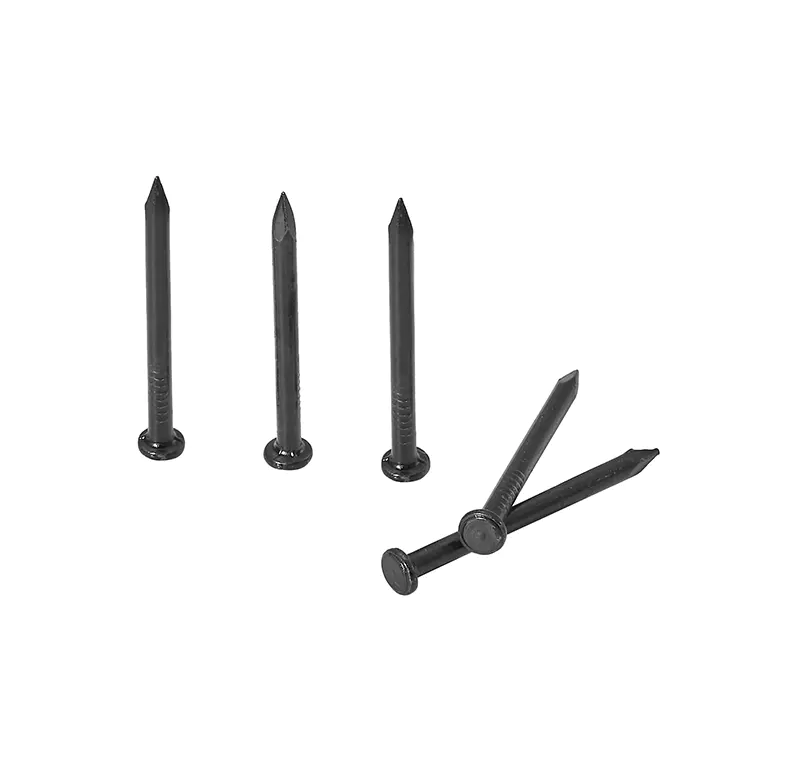
For a Concrete Nails Factory , producing a consistent product is therefore more than repeating the same manufacturing steps. It involves material selection, production control, equipment management, inspection, worker practices, and packaging.
Consistency also matters to buyers.
When contractors or distributors purchase concrete nails, they generally expect products within the same order to behave in a predictable way. Differences in shape, surface condition, strength, or general finish can make purchasing and application less convenient.
This has made manufacturing consistency an important topic in the concrete nail industry.
A factory does not achieve consistency through one action. It comes from many small decisions made throughout production.
Why Does Product Consistency Matter for Concrete Nails?
Construction work often depends on repeatable results.
A contractor may use many fasteners during one project. If the products vary noticeably, the work process can become less predictable.
Consistent concrete nails can help create a more stable purchasing experience. Buyers can become familiar with the product's general characteristics. Distributors can also manage inventory more easily when products remain consistent from one production cycle to another.
Several aspects can affect consistency.
| Production Area | Influence on Product Consistency |
|---|---|
| Raw Material Selection | Creates a stable starting point for production |
| Nail Forming | Helps maintain similar product shapes |
| Surface Treatment | Supports a consistent surface appearance |
| Equipment Management | Helps keep production processes stable |
| Inspection | Identifies differences during manufacturing |
| Packaging | Keeps finished products organized and protected |
| Worker Procedures | Supports repeatable production practices |
The purpose is not to make every nail visually identical in every small detail.
Instead, the factory aims to keep important product characteristics within an acceptable range for the intended application.
This requires control throughout the manufacturing process.
How Does Material Selection Influence Concrete Nail Consistency?
Production consistency begins before the nail is formed.
The material used to manufacture concrete nails can influence their final characteristics. A factory therefore needs a clear approach to incoming materials.
Material suppliers may provide different grades or forms of metal. If the starting material changes significantly from one production batch to another, the manufacturing process may also behave differently.
A factory can reduce this uncertainty by establishing material requirements.
Incoming materials may be checked before entering production. Their appearance, condition, and basic characteristics can be reviewed according to the factory's internal procedures.
This creates a stable starting point.
Material storage also matters.
Metal should be stored in an organized environment. Poor storage conditions can affect the material before production even begins.
A well-managed Concrete Nails Factory may separate different material batches and keep production records. This can help the factory identify where a material came from if a production issue appears later.
The process is straightforward.
Material arrives → material is checked → material is organized → production begins.
This simple chain can have a noticeable effect on consistency.
What Role Does Nail Forming Play in Production?
The shape of a concrete nail is created during the manufacturing process.
The nail body, head, point, and overall appearance need to follow the intended product design.
Repeated production depends on stable forming conditions.
If the production process changes frequently, the finished products may also show differences. Equipment condition, material condition, production settings, and worker practices can all influence the result.
A factory can reduce unnecessary variation by establishing clear production procedures.
Workers need to know how each product should move through the production line. Equipment should also be maintained so that production remains stable.
The goal is not simply speed.
A production line that moves quickly but produces inconsistent products can create additional work later.
A controlled process can make inspection easier as well.
When the manufacturing steps are clearly defined, workers can identify unusual results more quickly.
This is particularly important when a factory produces several types of concrete nails.
Different products may require different production arrangements. Clear separation between product types can help reduce confusion during manufacturing.
How Can Equipment Management Support Consistency?
Manufacturing equipment changes over time.
Regular use can create wear. Parts may need adjustment or replacement. Production conditions can also change as equipment ages.
For China Concrete Nails , equipment management is therefore part of product management.
A factory may establish regular inspection and maintenance procedures for production equipment.
This can help identify potential issues before they affect a large quantity of finished products.
Equipment cleaning also matters.
Metal particles, residue, dust, or other production materials can accumulate around machinery. Keeping production areas organized can make equipment easier to inspect and maintain.
Workers can also monitor unusual changes.
A change in equipment sound, movement, or production behavior may indicate that something needs attention.
This kind of observation is valuable because manufacturing consistency is often affected by small problems before they become obvious.
A factory that takes equipment condition seriously can respond to these changes earlier.
Why Is Inspection Important in a Concrete Nails Factory?
Inspection provides a way to check whether production is moving as planned.
It does not need to happen only after manufacturing is complete.
A factory can inspect materials before production, products during manufacturing, and finished nails before packaging.
This creates several opportunities to identify differences.
Inspection may focus on areas such as:
- Nail shape
- Head formation
- Point condition
- Surface appearance
- General dimensions
- Packaging condition
- Product identification
The exact inspection process depends on the factory and product.
The key idea is consistency.
If a problem is found during production, the factory can investigate the cause rather than allowing the same issue to continue through the entire production cycle.
This can reduce waste and make production management more efficient.
Inspection records can also help manufacturers understand recurring issues.
For example, if similar problems appear during certain production stages, managers can review the process and determine whether changes are needed.
Quality inspection is therefore not simply about rejecting products.
It can also provide information for improving manufacturing practices.
Can Worker Procedures Affect Concrete Nail Consistency?
Machines play an important role in production, but people remain part of the process.
Workers monitor equipment, handle materials, inspect products, manage packaging, and respond to production changes.
Different working methods can sometimes create differences.
Clear procedures help reduce this possibility.
A factory can provide workers with instructions for material handling, machine operation, product inspection, and packaging.
Training also matters.
New employees need to understand the production process before working independently. Experienced employees may also need updates when products or procedures change.
A simple production culture can help.
Workers should know what normal production looks like. They should also feel comfortable reporting unusual conditions.
This creates a useful feedback loop.
Worker observes a change → issue is reported → production is checked → action is taken.
Such a process can prevent small problems from becoming larger production issues.
Consistency is therefore not only a technical matter. It is also connected with workplace communication.
How Does Surface Treatment Affect Product Appearance?
Concrete nails may receive surface treatment for functional or appearance-related reasons.
The treatment process can influence how the finished nails look and how they are handled.
Consistency in this stage matters because uneven surface treatment can create noticeable differences between batches.
A factory can manage this by controlling the treatment process and checking finished products.
Storage after treatment is also important.
Products should be handled in a way that protects their surface condition. Poor handling or unsuitable storage can affect the appearance of finished nails even when the original treatment was consistent.
Packaging can help protect the products during movement and storage.
This is particularly relevant when nails travel through several stages before reaching the end user.
A product that leaves the factory in good condition should also arrive in a suitable condition.
That makes surface treatment, handling, and packaging connected parts of the same process.
Why Does Packaging Matter for Product Consistency?
Packaging may seem separate from manufacturing.
It is not.
Packaging affects how products are counted, stored, identified, transported, and presented to customers.
A Concrete Nails Factory may produce large quantities of similar-looking products. Without clear packaging and identification, different products can easily become mixed.
This is especially important when a factory produces multiple nail types.
Packaging can help distinguish products by size, shape, application, or other product categories.
Clear identification also helps warehouse workers and buyers.
A well-organized packaging process can reduce the chance of mixing products during storage.
Packaging should also protect the nails from unnecessary damage.
Concrete nails may be transported through warehouses, vehicles, and construction supply channels before reaching the final user.
Appropriate packaging helps maintain product condition throughout that journey.
For this reason, packaging is part of the factory's broader consistency strategy rather than simply a final administrative step.
How Can a Concrete Nails Factory Improve Consistency Over Time?
Manufacturing consistency is not a one-time achievement.
A factory needs to monitor production and learn from problems.
This can involve reviewing inspection results, customer feedback, equipment conditions, material changes, and worker observations.
The information can then be used to improve production procedures.
A practical improvement process may look like this:
Identify a variation.
Notice when a product differs from the expected condition.
Find the possible cause.
Review material, equipment, production steps, and handling.
Adjust the process.
Make a practical change where needed.
Check the result.
Confirm whether the change improves consistency.
Update the procedure.
If the change works, include it in future production practices.
This approach allows a factory to learn from everyday manufacturing activity.
It also helps prevent the same problem from appearing repeatedly.
Technology can support this process, but technology alone does not create consistency.
A well-organized factory needs people, equipment, materials, inspection, and procedures to work together.
For buyers evaluating a Concrete Nails Factory, this broader manufacturing approach can provide useful insight. The question is not simply whether a factory can produce concrete nails. It is how the factory manages materials, forming, equipment, inspection, surface treatment, packaging, and worker procedures throughout production.
When these activities are connected, product consistency becomes part of the manufacturing process rather than an issue addressed only after production is finished.

 Quick Links
