


 English
 русский
 中文简体
中文简体 عربى
عربى
Staples may look like small and simple fastening products, but their differences can become noticeable once they are used in real work.
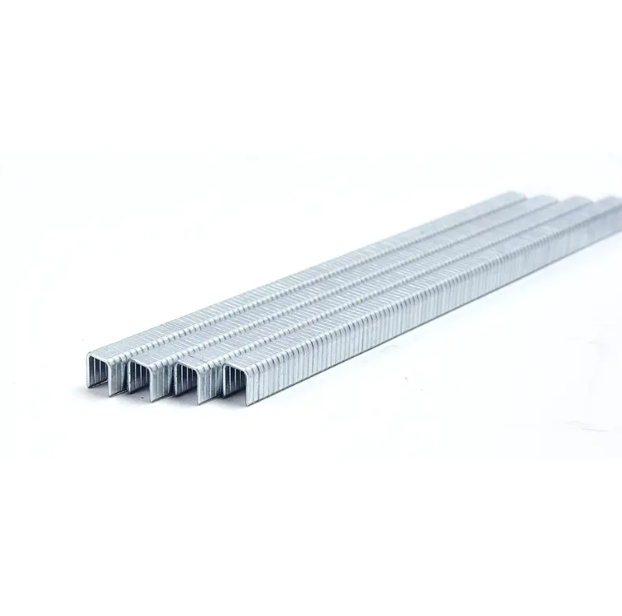
Medium wire staples and fine wire staples are both used to attach materials. They can both work with stapling tools. They can both appear in furniture, woodworking, upholstery, packaging, and repair tasks.
However, they are not intended to handle every job in the same way.
The choice often depends on the material being attached, the desired appearance, the type of work, and the way the finished product will be handled.
A staple that works well for one application may not be the right choice for another. Understanding the difference can help users avoid unnecessary installation problems and make more informed purchasing decisions.
What Is the Basic Difference Between Medium Wire Staples and Fine Wire Staples ?
The main difference is related to the wire used to form the staple.
Wire staples generally have a more substantial wire structure. Fine wire staples use a thinner wire. This difference affects how each type interacts with the material during installation.
Wire staples are often considered when users need a more noticeable fastening structure. Fine wire staples are commonly associated with applications where a smaller fastening mark is preferred.
The difference is not simply about size.
It can influence how the staple sits against the material, how visible the finished fastening looks, and what kind of work the staple is suitable for.
| Comparison Point | Medium Wire Staples | Fine Wire Staples |
|---|---|---|
| Wire structure | More substantial | Thinner |
| Typical appearance | More noticeable fastening mark | Smaller fastening mark |
| Common focus | General fastening and material holding | Neater fastening and surface appearance |
| Suitable work | Furniture, woodworking, packaging, repair | Upholstery, fabric, decorative work |
| Material consideration | Often suited to firmer materials | Often considered for softer or more delicate materials |
| Visual effect | May be more visible | Usually less visually prominent |
These are general application tendencies. The actual suitability depends on the staple design, tool, material, and working conditions.
Why Does the Material Matter When Choosing Staples?
The material being fastened is one of the important considerations.
A staple does not simply enter a material and remain there. It interacts with the surface during installation.
Wood, fabric, cardboard, foam, leather, and other materials respond differently to fastening.
A firmer material may require a staple that can provide suitable holding support without bending during installation.
A soft or visible material may require more attention to the appearance of the fastening point.
This is where the difference between medium wire and fine wire staples becomes useful.
It may be considered for applications where material holding is an important concern. Fine wire staples may be preferred when users want the fastening mark to remain less noticeable.
For example, furniture construction and upholstery can involve very different fastening needs.
A wooden frame may require a different staple choice from a fabric covering.
The material should therefore be considered before the staple itself.
Where Are Medium Wire Staples Commonly Used?
It can be found in a range of general fastening tasks.
They are often associated with applications where the staple needs to hold materials together while remaining practical for repeated installation.
Common areas may include:
- Furniture assembly
- Woodworking
- General repair
- Packaging
- Construction-related fastening
- Certain upholstery work
- Material joining
- Workshop projects
Furniture is one useful example.
A furniture maker may need to attach different materials during the same project. Wooden components may require one type of fastening, while fabric or decorative materials may require another.
It can be considered when the material and fastening task call for a more substantial staple structure.
Their use is not limited to professional manufacturing.
They may also appear in workshops and repair environments where practical material attachment is needed.
The key is matching the staple to the material and application rather than choosing based on appearance alone.
Where Are Fine Wire Staples Commonly Used?
Fine wire staples are often associated with applications where the appearance of the finished surface matters.
Upholstery is a common example.
When fabric is attached to furniture, users may want the fastening points to have limited visual impact. A fine wire staple can help create a smaller fastening mark compared with a more substantial staple.
Fine wire staples may also be considered for:
- Upholstery
- Fabric attachment
- Decorative work
- Light woodworking
- Furniture finishing tasks
- Certain craft projects
- Applications where surface appearance matters
The word "fine" does not mean that these staples are suitable for every delicate material.
The material still needs to be able to accept the staple properly.
A very soft surface can be damaged by unsuitable fastening. A staple that is too substantial may leave a more visible mark. A staple that is not suitable for the material may also fail to hold as expected.
Application remains the deciding factor.
How Do Medium Wire and Fine Wire Staples Differ in Upholstery?
Upholstery provides an interesting comparison because both staple types can appear in furniture-related work.
The difference often comes down to the material and the desired finish.
It may be used where the fastening needs to provide practical holding support. Fine wire staples may be considered when the staple mark needs to remain less visible.
Fabric can be sensitive to fastening pressure.
A staple that is not suitable for the material may cause tearing, visible impressions, or other surface problems.
Fine wire staples can therefore be useful in applications where the appearance of the fabric matters.
However, upholstery is not one single type of work.
A heavy furniture fabric and a thin decorative fabric may have different needs.
The shape of the furniture, the location of the staple, the material underneath, and the intended appearance can all affect the choice.
| Upholstery Consideration | Medium Wire Staples | Fine Wire Staples |
|---|---|---|
| Fabric appearance | May leave a more noticeable mark | Often used where a smaller mark is preferred |
| Holding requirement | Suitable for some general fastening tasks | Often considered for fabric-focused applications |
| Material sensitivity | Needs careful matching | Often considered for more appearance-sensitive work |
| Furniture use | Frame and general fastening applications | Fabric and finishing applications |
| Main selection concern | Holding and material compatibility | Appearance and material compatibility |
The table describes general tendencies rather than fixed rules.
Which Type Is More Suitable for Woodworking?
Woodworking includes many different tasks, so there is no universal answer.
It may be useful when working with wooden materials that require practical fastening.
They can be suitable for workshop tasks, furniture construction, temporary attachment, or other wood-related work where a more substantial staple is appropriate.
Fine wire staples can also be used in woodworking, especially when the fastening point needs to be less visible.
This can be useful for certain finishing tasks or applications involving thin materials.
Wood type also matters.
Softwood and hardwood can respond differently during fastening. A staple that enters one type of wood smoothly may behave differently in another.
The condition of the wood matters as well.
Dry, cracked, thin, or fragile material may require more care during installation.
Instead of asking which staple is generally better for woodworking, a more useful question is:
What type of woodworking task is being performed, and what material is being fastened?
That question gives users a more practical basis for selection.
Can Staple Appearance Affect the Choice?
Yes.
The finished appearance can be an important factor, particularly in furniture, upholstery, decorative work, and visible repair projects.
A staple creates a physical mark where it enters the material.
The shape and size of that mark can affect how the finished surface looks.
Fine wire staples may be considered when users want to keep the fastening point less noticeable.
It may be acceptable when the fastening point is hidden or when holding performance is more important than appearance.
This creates a simple distinction:
Hidden fastening: The visual difference may matter less.
Visible fastening: The appearance of the staple mark may deserve more attention.
This does not mean that fine wire staples should always be used for visible surfaces.
Material compatibility still matters.
A small staple that does not hold properly can create a larger problem than a visible fastening mark.
How Does the Stapling Tool Affect the Choice?
The staple and the tool need to work together.
A stapling tool is not automatically compatible with every type of staple. Users need to check the tool manufacturer's specifications and the staple requirements before installation.
The wrong combination can lead to common problems.
For example, the staple may not feed correctly. It may not enter the material as expected. It may bend during installation or fail to sit properly.
This means staple selection should not happen separately from tool selection.
A practical workflow can involve three questions:
- What material needs to be fastened?
- What type of fastening result is required?
- Which staple and tool combination is designed for that application?
This approach can help reduce trial and error.
It is especially useful in professional workspaces where repeated fastening is part of the daily workflow.
What Common Problems Can Occur With the Wrong Staple Type?
Using an unsuitable staple can affect both the fastening process and the finished material.
The problem may appear immediately or become noticeable later.
Common issues include:
- Staples bending during installation
- Staples not entering the material correctly
- Material tearing
- Visible fastening marks
- Staples sitting unevenly
- Weak attachment
- Difficulty removing or replacing staples
- Damage to the working surface
The cause is not always the staple itself.
Tool compatibility, material condition, installation technique, and staple placement can also contribute.
Still, choosing a staple that does not match the application can make these problems more likely.
For this reason, users should avoid selecting staples based only on the wire appearance.
The application provides more useful information.
How Should Buyers Choose Between Medium Wire and Fine Wire Staples?
Buyers can begin with the material and then consider the desired result.
A simple selection process can look like this:
Material → Application → Appearance → Tool → Staple
If the work involves furniture frames or general woodworking, medium wire staples may be worth considering.
If the task involves fabric attachment or appearance-sensitive upholstery, fine wire staples may be more appropriate.
For packaging, repair, or workshop work, the decision depends on what is being attached and how the finished product will be handled.
Buyers should also check the staple's compatibility with the intended tool.
Packaging information and manufacturer instructions can provide useful guidance.
| Selection Question | Why It Matters |
|---|---|
| What material is being fastened? | Different materials respond differently |
| Is the fastening visible? | Appearance may influence staple selection |
| How much holding support is needed? | Helps narrow the suitable staple type |
| Which tool will be used? | The staple must match the tool |
| Is the material soft or firm? | Influences installation behavior |
| Is the work decorative or structural? | Helps define the fastening priority |
| Will the staple be exposed to moisture? | May influence material or surface selection |
This approach keeps the decision focused on the actual job.
Medium wire staples and fine wire staples are not simply two versions of the same product. Their differences can become meaningful when they are used with different materials and applications.
Medium wire staples may fit general fastening, woodworking, furniture construction, packaging, and repair work. Fine wire staples may be more relevant to upholstery, fabric attachment, decorative work, and situations where the fastening mark needs to remain less noticeable.
The right choice depends on the material, application, tool, appearance requirements, and expected working conditions.

 Quick Links
