


 English
 русский
 中文简体
中文简体 عربى
عربى
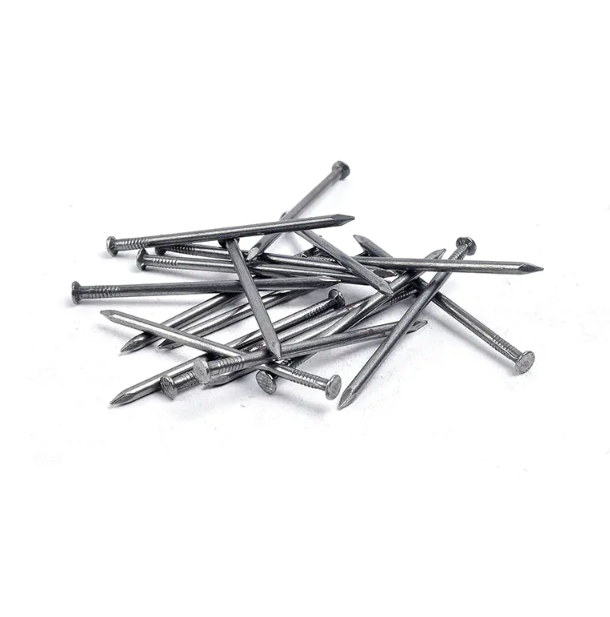
Round steel nails are widely used in construction, woodworking, furniture work, repair projects, and general fastening tasks. Their simple shape makes them suitable for many everyday jobs. Yet steel has one familiar weakness. When exposed to the wrong environment, it can develop rust.
Rust is not caused by one factor alone. Moisture, air, surface damage, storage conditions, contact with certain materials, and the surrounding environment can all influence how quickly rust appears.
For users and manufacturers, understanding these factors can help explain why some round steel nails remain in usable condition while others begin to show discoloration or surface corrosion.
Why Does Steel Develop Rust?
Rust forms when steel genuinely reacts with moisture and oxygen in the surrounding environment.
Steel contains iron. When iron gets exposed to water and air, a chemical reaction can genuinely kick off on the surface. Over time, the metal can develop that familiar reddish-brown material everyone calls rust.
The process might stay slow when the surrounding environment stays dry. It can genuinely become a lot more noticeable when moisture lingers on the nail surface for extended periods.
That's exactly why a steel nail stored in a dry indoor space can behave genuinely differently from one kept outdoors, in a damp workshop, or near some water source.
Rust, then, ties closely to the environment where the nail gets stored and used.
Several factors can genuinely feed into the process:
- Moisture
- Humidity
- Water exposure
- Poor ventilation
- Surface damage
- Contact with certain materials
- Salt or chemical exposure
- Improper storage
- Long periods in damp locations
No single factor genuinely needs to show up in every situation.
Sometimes several conditions genuinely just work together at once.
How Does Moisture Affect Round Steel Nails?
Moisture genuinely stands as one of the important conditions behind rust.
A nail genuinely doesn't need full submersion in water to get affected. Humid air alone can provide enough moisture for rust to start developing.
This matters especially in storage areas like garages, workshops, warehouses, basements, and outdoor sheds.
If water settles on the nail surface and doesn't dry off quickly, the metal stays exposed to moisture a lot longer than it should.
Repeated wetting and drying can also genuinely open the door for surface corrosion to creep in.
A box of steel nails, for instance, might get moved between different environments. If condensation develops on the nails, moisture can genuinely stay trapped inside the packaging.
The outside of the package might look perfectly dry while the interior stays genuinely damp underneath.
That's exactly why storage conditions matter even when the nails never touch rain directly.
| Environmental Condition | Possible Effect on Round Steel Nails |
|---|---|
| Dry indoor environment | Generally limits prolonged moisture exposure |
| High humidity | Can increase the chance of surface rust |
| Direct water contact | Provides moisture for corrosion |
| Poor ventilation | Can allow damp conditions to remain |
| Condensation | May introduce hidden moisture inside packaging |
| Outdoor exposure | Can combine moisture with other environmental factors |
| Salt exposure | May make corrosion more noticeable |
The surrounding environment can therefore be just as important as the steel itself.
Why Can Humidity Cause Rust Even Without Rain?
People sometimes associate rust only with visible water.
Humidity shows why that assumption can be misleading.
Air always contains some moisture. In a humid environment, the amount of moisture available around a metal surface can increase.
If the nail remains in that environment for an extended period, a thin layer of moisture may form on its surface.
The effect can be more noticeable when temperature changes occur.
A cold metal surface placed in warmer, humid air can encourage condensation. Small amounts of water may then appear on the nail.
This can happen inside storage areas, containers, vehicles, or warehouses.
The problem may go unnoticed because the moisture is not always visible.
Good ventilation can help reduce the amount of moisture that remains trapped around stored metal products. Keeping packaging and storage areas dry can also help.
The objective is simple: reduce unnecessary contact between the steel surface and moisture.
How Can Surface Damage Make Rust More Likely?
The condition of the nail surface genuinely matters just as much.
A round steel nail with an intact surface carries a layer of material separating the steel from the surrounding environment. If that surface gets scratched or damaged, the exposed area can genuinely become a lot more vulnerable to moisture and air.
Surface damage can happen during:
- Transport
- Handling
- Packaging
- Installation
- Contact with other metal products
- Storage
- Repeated movement
A scratch genuinely doesn't automatically mean a nail will rust, to be fair.
It can, however, genuinely create a more exposed area where environmental conditions get a foothold on the steel.
That's exactly one reason careful handling genuinely matters even for relatively simple fasteners like these.
Nails often get treated as tough, durable products. That doesn't genuinely mean they're immune to rough storage or careless handling, though.
A damaged surface paired with moisture genuinely creates a far more favorable condition for rust to take hold.
Can the Storage Environment Cause Round Steel Nails to Rust?
Yes.
Storage is one of the easiest factors to overlook.
A nail can leave the manufacturing facility in good condition and later develop rust because of the environment where it is stored.
A damp warehouse can create a different situation from a dry storage room.
Outdoor storage can expose nails to rain, humidity, temperature changes, and airborne contaminants.
Even a covered storage area may not provide enough protection if moisture can enter through the sides or floor.
Storage practices can therefore influence product condition over time.
Useful measures include:
- Keeping nails away from direct water exposure.
- Avoiding damp storage areas when possible.
- Maintaining suitable ventilation.
- Protecting packaging from damage.
- Keeping metal products away from standing water.
- Checking stored products for signs of moisture.
- Rotating stored materials according to normal inventory practices.
The purpose is not to create a complicated storage system.
It is to avoid unnecessary exposure to conditions that encourage corrosion.
Why Can Salt and Chemicals Speed Up Rust?
The surrounding atmosphere can contain more than ordinary moisture and oxygen.
Salt is another factor that can influence corrosion.
Coastal environments can expose metal products to salty air. Salt can also enter certain industrial environments through materials, processes, or cleaning activities.
When salt is present with moisture, the conditions around a steel surface can become more favorable for corrosion.
Certain chemicals can also affect metal surfaces.
This does not mean that every chemical environment will produce the same result. The effect depends on the substance, concentration, exposure conditions, and the type of metal surface involved.
For this reason, steel nails intended for general indoor work should not automatically be assumed to be suitable for every outdoor or industrial environment.
The intended application should always be considered.
A fastening product needs to match the environment in which it will be used.
How Does Contact With Other Materials Affect Rust?
Round steel nails rarely exist in isolation.
They may be installed into wood, placed near other metals, exposed to construction materials, or stored with different products.
Some materials can hold moisture against the nail surface.
Wood is a good example.
Wood can absorb and release moisture depending on its environment. If a steel nail is installed into damp wood, the surrounding conditions may remain different from those of a dry interior space.
Other metals can also interact with steel under certain environmental conditions.
This is one reason material compatibility can matter when choosing fasteners.
The question is not simply whether a nail can physically enter a material.
The surrounding environment should also be considered.
| Contact Condition | Why It Deserves Attention |
|---|---|
| Damp wood | May keep moisture around the nail |
| Wet construction materials | Can increase surface moisture |
| Other metals | May create different corrosion conditions |
| Salt-containing materials | Can contribute to corrosion |
| Chemical exposure | May affect the metal surface |
| Outdoor materials | May experience changing moisture conditions |
This broader view can help users understand why a nail may remain clean in one application but develop rust in another.
Can Installation Conditions Influence Rust?
Installation can affect the condition of a round steel nail.
During installation, the nail may experience friction, impact, or contact with hard surfaces. These actions can affect the surface depending on the product and installation method.
If a nail is driven into a material that contains moisture, the surrounding conditions may also encourage corrosion.
The location of the fastener matters.
A nail installed in a dry indoor wooden structure faces a different environment from one installed in an exposed outdoor structure.
This distinction is important.
A nail may be suitable for one application but less appropriate for another.
Users should consider factors such as:
- Indoor or outdoor use
- Dry or damp surroundings
- Exposure to rain
- Contact with treated materials
- Coastal or salty environments
- Expected maintenance conditions
- Storage before installation
These considerations can help reduce surprises after installation.
How Can Users Reduce Rust Problems With Round Steel Nails?
Rust prevention begins before installation.
Good storage practices can reduce unnecessary moisture exposure. Appropriate product selection can also help match the nail to its intended environment.
For applications where corrosion resistance matters, users may consider fasteners with a suitable protective surface or a material intended for the surrounding conditions.
The choice should be based on the actual application rather than appearance alone.
For example, an indoor woodworking project may have very different requirements from an outdoor structure exposed to rain.
Users can also reduce problems by keeping nails dry before use.
If packaging becomes wet, the condition of the nails should be checked before they are installed.
Nails showing obvious corrosion should not automatically be treated as suitable for every application. The decision should take into account the intended use and relevant product requirements.
Small changes in handling can make a difference.
Keeping nails away from standing water, avoiding damaged packaging, and preventing unnecessary exposure to humid conditions are simple steps that can help protect steel fasteners.
What Should Manufacturers Consider When Producing Round Steel Nails?
Rust prevention also begins during manufacturing.
Manufacturers need to consider the material, surface condition, handling process, packaging, and intended application of the nails.
A product intended for general indoor fastening may have different requirements from one intended for a more demanding environment.
Surface treatment can also be considered where appropriate.
Protective coatings may help separate the steel from environmental exposure. However, the suitability of a coating depends on the intended use and handling conditions.
Packaging is another important part of product protection.
Even a properly manufactured nail can be affected by poor storage or packaging that allows moisture to enter.
Manufacturers and suppliers can therefore look at the complete product journey.
The nail moves from production to packaging, transportation, storage, installation, and final use.
Each stage can influence its condition.
Why Does Rust Prevention Start With the Application?
There is no single approach to rust prevention that fits every round steel nail.
The surrounding environment changes the situation.
A dry indoor workshop is different from a humid basement. A covered outdoor structure is different from a coastal installation. A temporary repair is different from a long-term construction project.
This makes application an important part of fastener selection.
Before choosing a round steel nail, users can consider:
- Where will the nail be installed?
- Will it be exposed to moisture?
- Is the material around the nail dry or damp?
- Will the fastener encounter salt or chemicals?
- How will the nails be stored before use?
- Does the nail have suitable surface protection?
- What type of maintenance will the finished structure receive?
These questions help connect the nail with its actual working environment.
Rust is not simply a problem with the nail.
It is often the result of an interaction between steel, moisture, air, storage, handling, surrounding materials, and application conditions. Understanding these connections gives manufacturers, contractors, and users a clearer way to manage round steel nails from storage through installation.

 Quick Links
