


 English
 русский
 中文简体
中文简体 عربى
عربى
Packaging often looks simple from the outside. A sealed box, a label, and a destination. Inside factories and distribution centers, however, the choice of sealing method carries more weight than it appears. Two common options stand out: Carton Close Staple and adhesive tape.
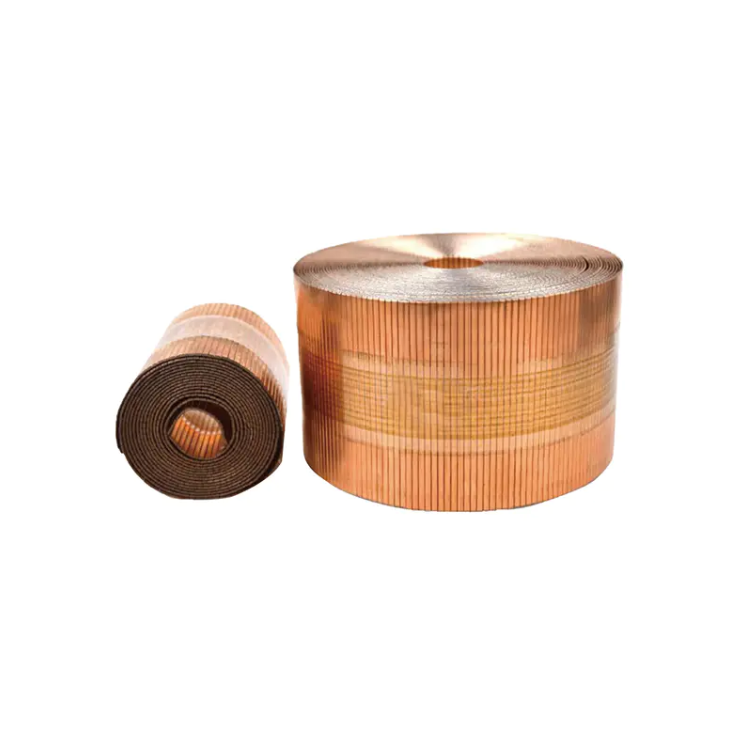
Both are widely used in packaging environments. Both serve the same basic purpose. Yet their performance and behavior in real use can differ in meaningful ways. Carton staples offer a mechanical form of sealing, while tape relies on surface adhesion. The difference between them shapes handling, durability, and overall packaging behavior.
Why Do Packaging Methods Matter Beyond Appearance?
Packaging is not only about closing a box. It is about how that box behaves during movement, storage, and handling. A sealed carton may go through stacking, vibration, or pressure changes. The sealing method influences how well it holds together under these conditions.
Tape and staples respond differently to stress. Tape depends on surface contact. Staples create a physical bond through penetration. This basic difference leads to different outcomes in strength and stability.
In many industrial environments, packaging is expected to remain intact across multiple stages. Small differences in sealing method can influence how often rework is needed or how secure a package feels during transport.
How Do Carton Close Staples Improve Structural Hold?
Carton staples work by mechanically fastening layers of cardboard together. Once applied, they create a physical connection that does not rely on surface adhesion.
This type of fastening is less affected by surface conditions. Dust, slight moisture, or uneven surfaces may reduce tape performance. Staples are less sensitive to these factors because they penetrate the material.
The result is a more stable closure. Boxes sealed with staples tend to maintain their shape under pressure. This is especially noticeable when cartons are stacked or moved repeatedly.
Tape can loosen over time, especially at edges. Staples remain fixed unless removed intentionally. This gives packaging a more consistent hold across different handling conditions.
What Happens When Packaging Faces Pressure or Movement?
Transport and storage environments are rarely static. Boxes may be stacked, shifted, or compressed. Each movement applies stress to the sealing method.
Tape often reacts to this stress at its edges. If the adhesive weakens, separation can begin slowly. Once started, it may continue along the sealed line.
Staples behave differently. Their hold is based on physical insertion into the material. Pressure does not easily reverse this connection. Even under repeated handling, the seal tends to remain stable.
This difference becomes more noticeable in environments where packaging is handled multiple times before reaching its final destination.
How Does Moisture Exposure Affect Each Method?
Moisture is a common challenge in packaging environments. It can come from weather, storage conditions, or handling surfaces.
Tape relies on adhesive contact. When moisture interacts with the surface, bonding strength may change. This can Find to partial lifting or reduced grip.
Carton staples are less affected by surface moisture. Since their hold is mechanical, they do not depend on adhesion. The connection remains stable even when external conditions change.
This does not mean staples are unaffected by all environments. The carton material itself may still react to moisture. However, the fastening method remains consistent.
What Role Does Handling Speed Play in Packaging Efficiency?
Packaging lines often prioritize steady flow. Any delay in sealing can affect the entire process.
Tape application may require alignment and continuous pressure along the sealing line. If applied manually, it may involve repeated motion. Even automated systems depend on consistent surface contact.
Staple application is often quicker in motion-based workflows. Once positioned, the fastening action is immediate. This allows packaging to move forward without long sealing intervals.
The difference becomes more noticeable in repetitive tasks. When large volumes of cartons are processed, small time differences accumulate across the workflow.
How Do Staples Influence Package Security During Transport?
Security in packaging does not only refer to protection from opening. It also includes resistance to accidental separation.
Tape can sometimes be peeled or partially lifted if exposed edges catch during handling. Once lifted, it may continue to loosen.
Staples create multiple fixed points along the carton flap. These points distribute holding strength across the closure line. This reduces the chance of a single failure point affecting the entire seal.
In transport conditions where boxes may shift or rub against each other, this distributed hold provides a steady structure.
What About Reusability and Reopening of Packages?
Different packaging methods behave differently when a box needs to be opened and reused.
Tape is often removed by peeling. This process may leave residue or affect surface condition. Reapplication is possible, but the original bond is not restored.
Staples require removal with tools. Once removed, the carton surface may show puncture marks. However, the structure of the box often remains intact enough for reuse depending on handling conditions.
The choice between methods can depend on whether the packaging is intended for single-use or repeated handling.
How Do Both Methods Compare in Surface Cleanliness?
Surface appearance matters in many packaging contexts. A clean, uniform surface can support labeling and presentation.
Tape provides a smooth visual line along the seal. It blends with the carton surface but may show air bubbles or lifting edges over time.
Staples appear as small metal points along the sealing line. They are visible but compact. Their presence does not spread across the surface.
Some packaging environments prefer a minimal surface footprint, while others prioritize mechanical stability over appearance.
What Tools Are Used with Carton Close Staples?
Carton staples are applied using dedicated tools designed for repetitive fastening. These tools guide staples into position and secure them in a controlled motion.
They are often used in production environments where speed and consistency matter. The tool design helps maintain alignment and spacing along the sealing area.
Tape systems, by contrast, rely on dispensers or applicators. These systems focus on continuous material flow rather than discrete fastening points.
Each system reflects a different approach to packaging structure. One creates a line of adhesion. The other creates a series of mechanical holds.
How Do Packaging Choices Affect Workflow Design?
The choice between staples and tape can influence how packaging lines are organized.
Staple-based workflows often focus on step-based sealing. Each closure is a distinct action. This can support clear process control.
Tape-based workflows may rely on continuous motion. This supports uninterrupted sealing but depends on consistent surface contact.
Below is a simplified comparison:
| Aspect | Carton Close Staples | Tape Sealing Method |
|---|---|---|
| Holding method | Mechanical fastening | Surface adhesion |
| Response to moisture | Stable behavior | Variable performance |
| Handling stress | Distributed resistance | Edge-sensitive |
| Application style | Point-based fastening | Continuous sealing line |
| Reopening process | Tool-assisted removal | Peel-based removal |
This comparison reflects general behavior rather than fixed rules. Real-world performance depends on material and handling conditions.
How Do These Differences Influence Packaging Decisions?
Packaging decisions are rarely based on a single factor. They involve material type, handling environment, and expected transport conditions.
Carton close staples offer mechanical stability that remains consistent under movement and pressure. Tape offers surface coverage that is easy to apply and visually smooth.
In some environments, the decision is influenced by workflow rhythm. In others, it is shaped by handling conditions or storage behavior.
The two methods continue to exist side by side because they respond differently to practical needs. Each brings its own structure to the packaging process, shaping how cartons move from production lines to their next destination.

 Quick Links
