


 English
 русский
 中文简体
中文简体 عربى
عربى
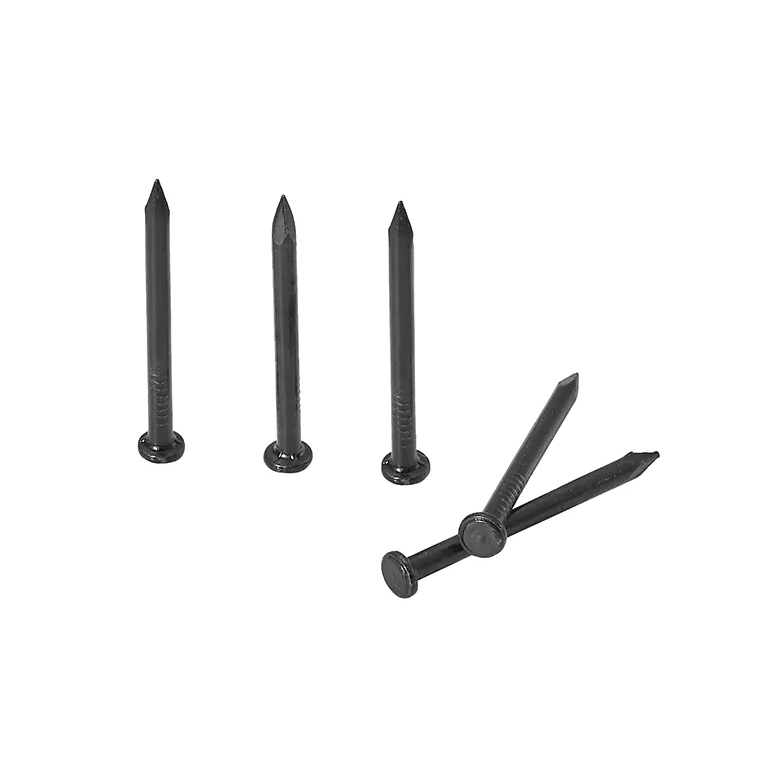
Concrete nails rarely draw attention on a job site. They are small, easy to carry, and often used in large quantities. Yet their role is direct. They hold materials in place where surfaces are hard and less forgiving. When a nail bends or slips, the issue shows up quickly. Work slows down. Adjustments follow. Over time, these small disruptions affect the rhythm of a project.
Because of this, buyers pay close attention to where these nails come from. A reliable manufacturer is not defined by a single feature. It is shaped by how well different parts of production and service come together. The market has also changed. Orders move faster. Expectations are more detailed. Supply chains stretch across regions. All of this places new pressure on manufacturers to stay consistent.
We are looks at what makes a concrete nails manufacturer reliable in today's environment. The focus stays on practical aspects that affect daily use and long-term cooperation.
Why does consistency matter more than anything else?
Consistency is often discussed, but it becomes clearer during real use. A batch of nails may look similar at a glance. Once they are used, small differences appear. Some enter the surface smoothly. Others require more force. A few may bend before reaching full depth.
These variations are not always visible before use. They show up during installation. Workers tend to notice patterns. If one box performs differently from another, trust begins to shift.
A reliable manufacturer works to reduce these differences across batches. The goal is not perfection. It is stable performance over time. This helps users predict how the nails will behave in different materials.
Consistency also supports planning. Contractors can estimate time and effort more accurately. Fewer interruptions mean smoother workflow.
How does material selection influence reliability?
Material choice sits at the base of every nail. It affects strength, flexibility, and how the nail responds during impact.
If the material is too soft, the nail may bend. If it is too rigid, it may crack under stress. Finding the right balance is part of the manufacturing process.
Reliable manufacturers tend to focus on stable sourcing. They avoid wide variation in raw material quality. This does not always require complex systems. It often comes down to steady supply relationships and clear internal checks.
Material behavior also connects to the final use. Nails for dense concrete may need a different balance compared to those used in brick or block. A manufacturer that understands these differences can adjust production in a controlled way.
What role does production control play in product stability?
Production is not a single step. It moves through several stages, each affecting the final result.
Small changes during shaping can influence the nail's straightness. Surface treatment can affect how it enters a hard surface. Storage conditions may also play a role before shipment.
Reliable manufacturers pay attention to these details without overcomplicating the process. They keep production steps steady and repeatable.
A simple table helps outline how different production aspects connect to performance:
| Production Aspect | Influence on Use |
|---|---|
| Shape Formation | Affects straight entry into surfaces |
| Surface Finish | Influences friction during driving |
| Batch Handling | Supports uniform quality across orders |
| Storage Method | Helps maintain condition before delivery |
Each step may seem small. Together, they shape how the nail performs during installation.
Why is adaptability important for a manufacturer today?
Construction projects vary widely. Materials differ from site to site. Some surfaces are smooth. Others are rough or aged.
A manufacturer that offers only one type of product may not fit all situations. Adaptability allows them to serve different needs without changing their core identity.
This does not mean offering endless variations. It means understanding common use cases and providing suitable options.
For example, some projects may require nails that enter easily. Others may focus on holding strength. A manufacturer that can support both needs becomes more useful to buyers.
Adaptability also appears in communication. Responding to changes in order size or delivery timing can influence how a partnership develops.
How does communication shape long-term cooperation?
Product quality is important, but communication often decides whether cooperation continues.
Buyers may need updates on production progress. They may have questions about packaging or delivery schedules. Delays can happen. What matters is how they are handled.
Clear and timely responses help reduce uncertainty. They allow buyers to adjust plans when needed.
Reliable manufacturers usually maintain steady communication channels. They do not rely on a single contact point. This helps keep information flowing even when situations change.
Good communication also supports problem solving. If an issue appears, both sides can address it without delay.
What do buyers look for beyond the product itself?
Modern buyers often look beyond the physical product. They consider how easy it is to work with the manufacturer.
Some common areas of attention include:
Order flexibility
Buyers may not always place large orders. A manufacturer that can handle different volumes becomes more accessible.
Packaging approach
Clear and practical packaging helps with storage and transport on site.
Delivery coordination
Timing matters. Late delivery can slow down an entire project.
After-sales response
If questions arise after delivery, quick support helps maintain trust.
These factors shape the overall experience, not just the product itself.
How does market competition influence reliability standards?
The market for construction fasteners is active. Many manufacturers offer similar products. This creates pressure to stand out.
Some focus on price. Others focus on service. Over time, buyers tend to look for balance rather than a single advantage.
Competition also encourages improvement. Manufacturers review their processes and adjust where needed. This may involve refining production steps or improving communication flow.
Reliability becomes a way to remain relevant. It is not only about attracting new buyers but also keeping existing ones.
Why is experience still important in a changing market?
Experience does not always mean long history. It often reflects how well a manufacturer understands practical use.
Over time, patterns appear. Certain nail types work better in specific conditions. Some packaging methods reduce damage during transport.
A manufacturer with experience can apply this knowledge quietly in daily operations. It does not need to be highlighted. It shows through consistent results.
At the same time, experience must adapt. Market needs change. New materials appear in construction. Manufacturers that combine experience with openness to change tend to remain stable.
How do small details influence buyer trust?
Trust builds through repeated interactions. It rarely comes from a single order.
Small details often carry more weight than large promises. For example:
- consistent labeling on packaging
- accurate order quantities
- stable product appearance across batches
- clear documentation
These elements may seem minor. Yet they reduce uncertainty for the buyer.
When details remain stable, buyers feel more confident placing future orders.
What challenges do manufacturers face in maintaining reliability?
It's never easy for factories to keep consistent product quality, as they constantly deal with various troubles.
Raw materials can differ batch to batch and mess up production. Unexpected surges in orders push teams to finish work in a hurry. Bad shipping conditions might also damage products before they reach customers.
Manufacturers have to handle all these issues while keeping their output stable.
This relies on good cooperation across different departments. Production, warehousing and delivery teams need to stay aligned. When one section hits delays, the rest have to adjust accordingly.
Factories don't aim to eliminate every single problem completely. Their main target is to manage issues well so finished products won't be heavily affected.
How does production scale affect reliability?
As production grows, maintaining consistency becomes more complex.
Small batches are easier to control. Larger volumes require stronger coordination.
Reliable manufacturers tend to build systems that support scale without losing control. This may involve structured workflows or clearer internal checks.
Scaling up is not only about producing more. It is about maintaining the same level of stability across higher output.
Why is transparency becoming more relevant?
Buyers today often want a clearer view of how products are made.
This does not mean sharing every detail. It means being open about processes that affect quality and delivery.
Transparency can take simple forms:
- clear product descriptions
- honest communication about timelines
- straightforward handling of issues
This openness helps build long-term relationships. It reduces misunderstanding and supports smoother cooperation.
How do changing construction practices affect manufacturers?
Construction methods continue to evolve. Materials change. Workflows become more organized.
These changes influence how fasteners are used.
Manufacturers need to stay aware of these shifts. A product that worked well in the past may need adjustment for new conditions.
This does not require constant redesign. It often involves small refinements based on feedback from real use.
Listening to market signals becomes part of maintaining reliability.
What role does packaging play in overall performance?
Packaging is often seen as a final step. In practice, it affects how the product reaches the user.
Poor packaging can lead to mixed sizes, damage, or confusion on site. Clear and structured packaging helps workers identify and use the right items quickly.
Reliable manufacturers pay attention to this stage. It supports the entire supply chain, not just storage.
How do manufacturers build long-term partnerships?
Long-term partnerships grow over time. They depend on repeated positive experiences.
A Concrete Nails Factory that maintains stable product quality, clear communication, and flexible service tends to build stronger relationships.
Trust develops gradually. Each order adds to it.
Partnerships are not only about price or volume. They are shaped by how both sides respond to everyday situations.
Why does reliability remain a key factor in buyer decisions?
Even as the market evolves, reliability remains central.
Construction work depends on steady progress. Materials must perform as expected. Delays or defects can create wider issues.
Concrete nails may be small, but they appear in large numbers. Their performance influences efficiency on site.
A reliable manufacturer supports this process quietly. By maintaining stable production and clear communication, they become part of the project flow.
Buyers continue to look for this stability as they plan future work.

 Quick Links
