


 English
 русский
 中文简体
中文简体 عربى
عربى
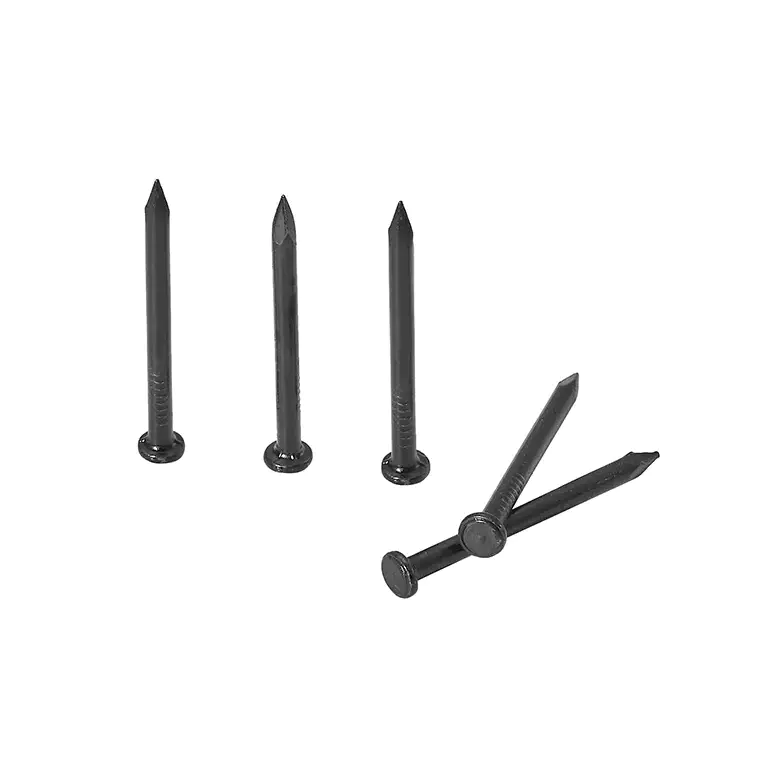
Spend enough time on a construction site these days, and you start noticing the rhythm has shifted in ways that are easy to miss at first. The hammering hasn't gone away entirely—it's still there, still marking progress the way it always has—but it's no longer the only sound telling you work is happening. Quieter tools have started creeping in alongside it, and fastening methods that give workers more control have followed close behind. Concrete nails screws , in particular, keep coming up in these conversations.
None of this traces back to one invention or some sudden trend that swept through the industry overnight. It's more the accumulation of small, everyday decisions—workers dealing with materials that didn't exist a decade ago, schedules that keep getting tighter, expectations that keep shifting under their feet. And really, the interesting question isn't just whether one fastener is quietly replacing another. It's more about how each option actually fits into the way buildings get put together and kept standing now, in a construction world that looks pretty different from the one before it.
What is behind the growing use of concrete nail screws?
Construction work today runs into harder surfaces a lot more than it used to. Concrete shows up everywhere—walls, floors, structural elements—and it simply doesn't behave like wood once you're trying to fasten something into it. Traditional nails, which basically rely on brute force and friction to stay put, tend to struggle here. They can bend halfway through installation, or worse, hold fine at first and then loosen up over time.
Concrete nail screws take a different route entirely. Rather than muscling their way into the surface, they work their way in through a turning motion, which ends up creating a connection that holds a lot more reliably. Workers who've used both tend to describe the screw-driven process as feeling more controlled—each turn brings the fastener closer to where it needs to be, without as much guesswork involved along the way.
Part of this shift also comes down to the tools themselves. Hand tools haven't disappeared from job sites, but powered drivers have become a lot more common than they once were. They cut down on physical effort and make screw-based fastening much easier to manage on a larger scale. As the tools keep changing, it makes sense that fastening choices are changing right alongside them.
Are traditional nails becoming less relevant?
Traditional nails still hold their ground in plenty of situations—there's a simplicity to them that's hard to beat. No special prep is needed, and a hammer alone gets the job done for a lot of tasks, particularly when the material being worked is softer. In framing work or temporary setups, speed usually matters more than precision anyway, and nails handle that trade-off pretty well.
That said, their weaknesses tend to show up more once the surface gets harder. Working into concrete or other dense materials, nails end up depending heavily on how skilled the person installing them actually is—a slightly off angle or too much force one way or another can throw off the whole result. That kind of unpredictability makes nails a tougher sell for jobs where consistent performance really matters.
Removal is another sticking point worth mentioning. Pulling a nail back out often tears up the surrounding area in the process, which becomes a real problem on projects where the surface needs to stay clean and undamaged. None of this means nails are on their way out entirely—it just means they're getting used more selectively than they used to be.
How do concrete nail screws change the installation process?
The experience of using concrete nail screws is different from using traditional nails. The process feels slower at first. There is more attention to alignment and positioning. Yet this slower pace often leads to fewer corrections later.
A screw can be guided into place. If it starts at the wrong angle, it can be adjusted before it goes too deep. This control reduces mistakes. It also lowers the chance of damaging the material.
Another difference lies in feedback. With a nail, the installer relies on the feel of each strike. With a screw, the resistance changes gradually. This makes it easier to sense when the fastener is properly seated.
Workers often describe this as a shift from force to control. The action becomes less about impact and more about precision.
What advantages are influencing this shift?
Several practical benefits encourage the use of concrete nail screws. These advantages are not always dramatic, but they add up over time.
Better holding ability
The threaded design creates a firm grip. This is useful in materials that do not respond well to smooth surfaces.
Reduced damage to surfaces
Controlled installation lowers the risk of cracks or chips, especially in brittle materials.
Ease of removal
Screws can be taken out with less effort. This supports adjustments and repairs.
More predictable results
Each installation tends to follow a similar pattern, which improves consistency across a project.
Cleaner working conditions
Less hammering means less vibration and, in some cases, less dust movement.
These points reflect everyday experiences rather than technical claims. They show why workers might reach for a different tool when faced with certain tasks.
Where do traditional nails still make sense?
Even with everything shifting around them, traditional nails haven't lost their place—there's a simplicity to them that's genuinely hard to match. When speed is what matters most, nothing quite beats them. A few solid strikes, and a piece is held in place, no extra steps required.
They're particularly handy for temporary work, too. If the goal is just holding something together for a short stretch of time, nails do the job without demanding extra tools or any real preparation beforehand.
Wood-based construction is another place they keep performing reliably, mostly because the material simply cooperates with how nails are shaped and driven in. That kind of natural fit is part of why nails haven't been pushed out entirely.
Really, it comes down to context more than anything. Sometimes a nail is clearly the right call. Other times, a screw ends up doing the job better—it just depends on what's being built and how.
How do material differences affect the choice?
Modern construction rarely sticks to one material for long. Concrete, brick, composite panels, layered surfaces—they often all show up within the same project, and each one reacts differently once you start trying to fasten into it.
China Concrete Nails screws tend to handle that variety more gracefully. Their threads can grip into uneven textures in a way that keeps the connection feeling secure, even when the surface underneath isn't perfectly consistent.
Traditional nails work a bit differently—they depend heavily on the material compressing around them to hold. That works out fine on some surfaces, but on others, the grip can start to loosen as time goes on.
That gap matters a lot more once durability enters the conversation. A fastening method that holds up consistently across different materials tends to save people from dealing with problems down the road.
Is the need for flexibility shaping decisions?
Many projects today are not fixed in a single form. Spaces are updated, equipment is moved, and designs change. This creates a need for fastening methods that allow adjustments.
Concrete nail screws support this approach. They can be removed and reused. This makes them suitable for installations that may need to be modified.
Traditional nails do not offer the same flexibility. Once driven in, they are meant to stay. Removing them often leaves visible marks or weakens the structure.
This contrast influences how people plan their work. When change is expected, screws become more attractive. When permanence is the goal, nails may still be chosen.
How do cost and efficiency influence the trend?
Cost and time remain important considerations. Traditional nails are often quicker to install. This can be useful in large projects where speed affects overall progress.
Concrete nail screws may take more time per installation. There is often a need for careful positioning. Yet this extra time can reduce the need for rework. Fewer mistakes can balance the initial effort.
The overall efficiency depends on the situation. In some cases, the speed of nails is more valuable. In others, the control offered by screws leads to better outcomes.
| Aspect | Traditional Nails | Concrete Nail Screws |
|---|---|---|
| Installation pace | Fast | Moderate |
| Adjustment | Limited | Flexible |
| Removal | Difficult | Manageable |
| Surface impact | Noticeable | More controlled |
| Use cases | Wood, temporary | Concrete, precise |
This comparison shows that neither option fully replaces the other. Each has strengths that suit different needs.
Is the industry moving toward replacement or balance?
The idea of replacement suggests that one method disappears while another takes its place. In practice, the situation is more balanced. The industry is expanding its choices rather than narrowing them.
Concrete nail screws are gaining attention because they respond to current demands. They fit well with modern materials and tools. At the same time, traditional nails continue to serve tasks where simplicity and speed are valued.
Workers are not abandoning familiar methods. They are adding new ones to their routine. This creates a more flexible approach to construction.
As building practices continue to evolve, fastening methods will likely follow the same path. The focus will remain on choosing what works better in each situation, rather than relying on a single solution.

 Quick Links
