


 English
 русский
 中文简体
中文简体 عربى
عربى
Fasteners play an important role in many industries. From construction and agriculture to furniture production and wire assembly, different projects require different ways to secure materials. While traditional fasteners have been used for a long time, new fastening options continue to attract attention because of their convenience and adaptability.
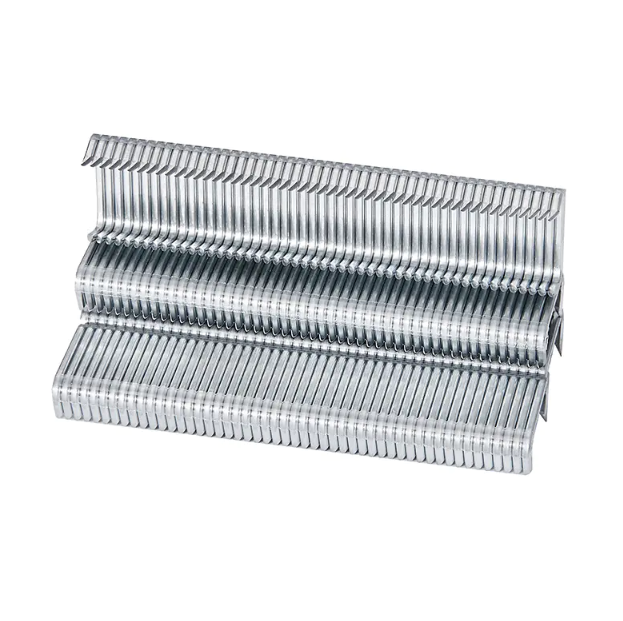
Staples are one example. Their curved shape and practical design allow them to connect materials in various applications. As industries look for faster and more flexible solutions, many professionals are asking a simple question: could Staples replace traditional fasteners in some projects?
The answer depends on the application, material type, and expected result. Instead of completely replacing traditional options, C Ring Staples are becoming an alternative choice for specific tasks where their characteristics provide advantages.
What Makes C Ring Staples Different from Traditional Fasteners?
Traditional fasteners come in a lot of shapes — nails, screws, clips, and plenty of other attachment products, each built for its own purpose. Staples stand apart because of that ring-shaped structure, which lets them hold connected materials with a grip that feels genuinely secure without any extra fuss.
Their design suits situations where flexibility and quick installation actually matter. Unlike some of the more rigid fastening methods out there, Staples can bend to fit materials that need a firm hold without dragging the process into unnecessary complexity.
A lot of users pick them precisely because they simplify fastening work that would otherwise drag on. They show up constantly in projects involving wire products, mesh materials, fencing, upholstery, and similar applications.
A quick comparison helps show where the real differences lie:
| Fastener Type | Common Application Style | Main Consideration |
|---|---|---|
| C Ring Staples | Wire, mesh, fabric, and flexible materials | Quick connection and adaptable use |
| Nails | Wood and general construction tasks | Simple installation method |
| Screws | Projects requiring adjustment or removal | Flexible maintenance options |
| Clips | Temporary or specialized connections | Easy attachment and removal |
The choice was never just about the fastener in isolation, either. The surrounding conditions usually end up deciding which option actually works better on a given job.
Why Are C Ring Staples Becoming More Popular in Certain Industries?
A lot of industries have gotten a lot more serious about efficiency lately. Workers want solutions that cut unnecessary steps while still holding a connection reliably, and that demand has pushed real interest toward fastening methods that are just easy to handle day to day.
Staples fit right into that trend since they support fast assembly work naturally. In jobs that involve making the same connection over and over, their practical structure can genuinely cut down on installation effort across the board.
Take wire-related industries, for instance — connecting a lot of points quickly matters a great deal there. A fastening method that just flows smoothly through repeated use tends to improve the whole workflow. Furniture and upholstery work leans on flexible attachment for similar reasons, since materials often need holding securely without damaging how they look on the surface.
None of this popularity means traditional fasteners are heading toward obsolescence, though. It really reflects a broader shift toward picking products based on what a specific project actually needs, rather than defaulting to habit.
Can C Ring Staples Work as a Replacement for Nails and Screws?
Whether Staples can genuinely step in for nails or screws comes down entirely to what the project's actually trying to accomplish. Different fasteners solve different problems, full stop.
Nails tend to get picked for straightforward attachment work. Screws earn their spot when adjustment or removal might be needed down the line. Ring Staples make the most sense when materials just need joining fast and staying connected without much fuss.
In some projects, they offer a genuinely practical alternative — attaching wire structures or flexible materials is a good example, where their shape provides exactly the right kind of connection.
That said, they're not going to replace every traditional fastener out there. Projects carrying heavy structural loads, or ones that need frequent disassembly, will likely still lean on other fastening choices instead.
The real skill here is matching the fastener to the job, rather than forcing one option to cover every situation it encounters.
Where Are C Ring Staples Commonly Used?
Staples show up across a genuinely wide spread of industries thanks to how flexible their application range actually is. Where they end up getting used tends to hinge on what materials are actually being connected.
Common application areas include:
| Industry Area | Typical Use |
|---|---|
| Agriculture | Connecting fencing materials and wire structures |
| Furniture | Securing upholstery materials |
| Manufacturing | Joining mesh, fabric, or similar components |
| Pet Products | Producing cages and related structures |
| Construction Support | Fixing certain flexible materials |
All of these applications share a common thread — the materials involved need a connection that's genuinely secure, but also practical enough to install over and over without wearing anyone out.
As industries keep refining their production methods, demand for fastening solutions that actually fit is only likely to keep climbing.
Are C Ring Staples Suitable for Outdoor Projects?
Outdoor work throws a completely different set of challenges at fasteners compared with anything happening indoors. Weather exposure, material movement, shifting environmental conditions — all of it can throw off how a fastener actually performs over time.
Staples show up regularly in outdoor uses like fencing and wire-related work. Their knack for connecting flexible materials makes them genuinely useful wherever some amount of movement is expected.
That said, picking the right fastening method for outdoor conditions still demands real attention. Exposure levels, material compatibility, and how much maintenance you're willing to sign up for all deserve real thought before committing.
A fastening solution that performs beautifully indoors won't necessarily hold up the same way outside. Understanding the actual project conditions is really what leads to a smarter, more informed choice.
How Do C Ring Staples Improve Installation Efficiency?
Installation speed matters a lot across plenty of professional projects. When workers are handling the same fastening task over and over, even small improvements start adding up fast.
Staples support efficient workflows because they're built for quick attachment from the ground up. They tend to get paired with related installation tools that help keep every connection consistent across a job.
That's genuinely valuable in industries facing a huge number of fastening points on a single project. Cutting out unnecessary steps often lets workers move through tasks a lot more smoothly than they otherwise would.
Still, efficiency was never purely about raw speed. A genuinely good fastening choice also has to account for stability, protecting the material itself, and how well the connection holds up over the long haul.
What Factors Should Be Considered Before Choosing C Ring Staples?
Choosing the right fastener requires more than looking at appearance. Several factors influence whether Staples are suitable for a project.
Important considerations include:
Material type
Different materials respond differently to fastening methods. Flexible materials may require a different approach compared with rigid surfaces.
Project purpose
Temporary connections and permanent installations may have different requirements.
Working environment
Indoor and outdoor conditions can affect fastening choices.
Installation method
The available tools and working process may influence which fastener is more practical.
Maintenance needs
Some projects require easy adjustment, while others focus on long-term connection.
By considering these points, users can select a fastening solution that matches their actual needs.
Could C Ring Staples Become More Common in Future Applications?
The fastening industry continues to develop as users look for more practical solutions. Staples have gained attention because they offer another option beyond traditional methods.
Their future use may expand as more industries discover applications where their design fits specific requirements. Instead of replacing all traditional fasteners, they are likely to become part of a wider selection of fastening choices.
Modern projects often require flexibility. A single fastening method may not meet every need. Having different options allows manufacturers, contractors, and DIY users to choose according to their materials and working conditions.
The discussion around C Ring Staples reflects a larger change in the industry. Fasteners are no longer judged only by strength. Ease of use, adaptability, and suitability for different applications are becoming important factors in decision-making.

 Quick Links
