


 English
 русский
 中文简体
中文简体 عربى
عربى
Concrete nails move through a long supply chain before reaching construction sites. They are small items, often grouped in bulk, and used in large quantities. In wholesale markets, many suppliers focus on product supply itself. Packaging, however, is starting to play a more visible role in how buyers evaluate offers.
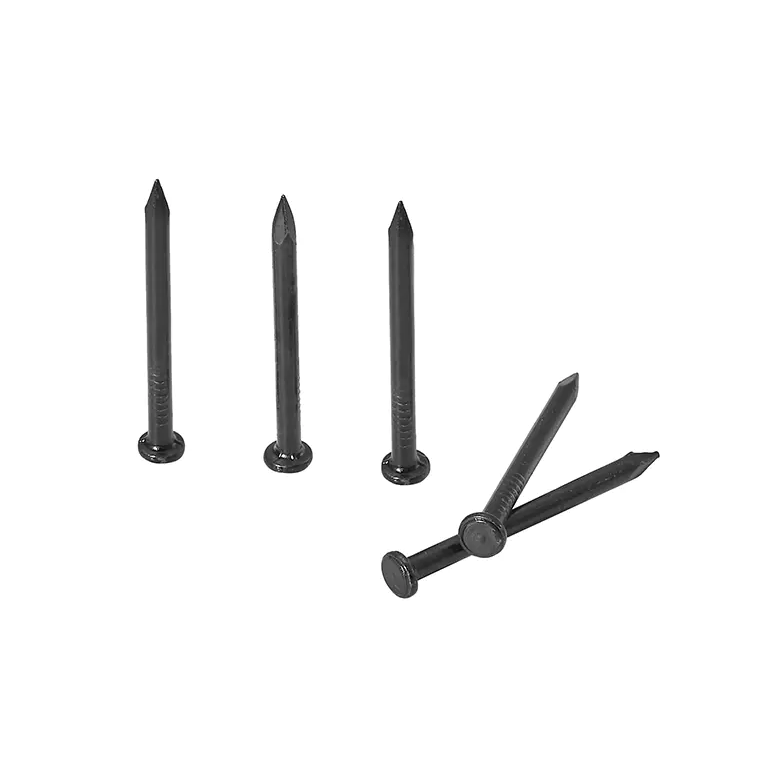
Custom packaging is no longer just about appearance. It is becoming part of how products are positioned, stored, and delivered. In the China Concrete Nails segment, this shift is gradual, but noticeable.
Why Does Packaging Matter in a Simple Product Like Concrete Nails?
Most people assume concrete nails require no elaborate packaging. As sturdy, compact hardware items that are typically shipped in bulk, they've long been viewed as a product that needs no specialized packing design.
However, packaging serves far more practical purposes in actual logistics and distribution scenarios than just bundling up the nails. It greatly improves operational efficiency for manual handling, tidies up warehouse inventory management, and makes product classification and identification much simpler.
Standardized, well-organized packaging makes stock storage straightforward. It saves workers plenty of time that would otherwise be spent sorting messy goods and verifying product specifications. Even basic clear labeling can effectively avoid product mix-ups during shipment and delivery.
For wholesale businesses that process a large volume of orders daily, these small efficiency gains add up significantly, bringing huge improvements to overall operational speed.
How Does Custom Packaging Influence Buyer Perception?
Buyers often form an impression before they test the product itself. Packaging is usually the first visible layer of that experience.
Standard bulk packaging can feel functional but neutral. Custom packaging adds structure and clarity. It signals attention to detail and order management.
Some buyers associate organized packaging with more stable supply practices. Others see it as a sign that the supplier is prepared for long-term cooperation rather than short-term sales.
This does not change the product itself. It changes how the product is received and handled.
Can Packaging Improve Efficiency in Warehousing and Transport?
In wholesale trade, products often pass through multiple storage points. Each step involves handling, stacking, and redistribution.
Custom packaging helps reduce friction in this process. When packaging is designed with consistency in size and labeling, storage becomes more predictable.
Here is a simple comparison:
| Packaging Style | Warehouse Handling | Practical Result |
|---|---|---|
| Loose bulk bags | Manual sorting needed | Slower identification |
| Standard cartons | Basic organization | Moderate efficiency |
| Custom structured packaging | Clear labeling and grouping | Faster handling flow |
The difference is not about product quality. It is about how easily the product moves through systems.
How Does Custom Packaging Support Brand Positioning?
Even in industrial products, identity matters. Buyers often work with multiple suppliers at the same time. Over time, clear identification becomes important.
Custom packaging allows a supplier to create a recognizable format. This can be simple color coding, consistent labeling, or structured carton design.
When repeated orders arrive in the same format, buyers can quickly recognize the source without extra checking.
This builds a sense of continuity. It also reduces small administrative steps during receiving and storage.
Branding in this context is not about decoration. It is about clarity and recognition.
What Role Does Packaging Play in Reducing Handling Errors?
Wholesale warehouses often run into bigger workflow headaches from tiny picking and sorting mistakes.
Messy, non-uniform packaging is the main cause of misplaced goods, cross-mixed batches and vague markings. These flaws won't show up the moment goods arrive, but they create chaos when staff sort stock or send out new orders.
Custom packaging sets a fixed, consistent format for every shipment. Staff get familiar with the same layout each time, so they can move goods faster without double-checking every single pack.
Consistent packaging rules cut down mix-ups at every warehouse and transit stop over the whole distribution chain.
How Does Custom Packaging Affect Export and Long-Distance Shipping?
Export shipments travel thousands of miles and go through dozens of handovers by different logistics teams. Under these conditions, packaging isn't just something to hold products—it's vital protection to keep shipments intact all the way.
Custom packaging lets workers stack and secure cargo following the same method every time. This avoids random, unstable loading that happens with generic packing.
Printed custom labels also speed up paperwork and customs checks. Clear product info prevents hold-ups when cargo gets inspected at ports and transit hubs.
Heavy bulk goods such as concrete nails carry concentrated weight in large volumes. Well-designed custom packs make them much easier and safer to move during long overseas transport.
Is Custom Packaging Cost or Value in Wholesale Trade?
At first, custom packaging may appear as an added cost. It involves design planning, material selection, and additional production steps.
However, many buyers evaluate it differently. Instead of focusing only on cost, they consider how it affects total operation flow.
If packaging reduces sorting time, lowers handling confusion, or supports faster storage, it indirectly saves operational effort.
In wholesale systems, small efficiencies repeated across multiple orders can shift overall balance.
So packaging becomes part of value management rather than a standalone expense.
How Do Different Buyers React to Packaging Changes?
Not all buyers respond the same way to packaging adjustments. Their expectations often depend on their role in the supply chain.
Some prefer simple bulk supply with minimal structure. Others need organized packaging for retail distribution or multi-location storage.
A flexible approach is often more practical. Suppliers may keep basic packaging as default while offering customization for specific needs.
This balance allows both simplicity and adaptability.
What Challenges Come With Custom Packaging?
Custom packaging is not without complexity. It requires coordination between production planning and order management.
Small changes in packaging can affect storage layout or shipping arrangements. If not managed carefully, it may introduce variation in logistics flow.
There is also the question of consistency. Once a packaging style is introduced, maintaining it across repeated orders becomes important.
Any inconsistency can reduce the advantage that customization was meant to create.
How Does Packaging Influence Long-Term Supplier Relationships?
Over time, packaging becomes part of how buyers evaluate supplier stability.
Consistent packaging signals stable production habits. It also reduces uncertainty during repeat orders.
In long-term cooperation, buyers begin to expect familiarity. When packaging remains steady, it reinforces that expectation.
Even when product specifications remain unchanged, packaging consistency helps maintain operational comfort.
It becomes part of the routine between supplier and buyer.
Can Packaging Be a Competitive Factor Without Changing the Product?
In many wholesale categories, competition is often discussed in terms of price or product performance. Packaging adds another layer that is less visible but still influential.
It does not change the core product. Concrete nails remain the same item. What changes is how easily they are managed, identified, and distributed.
For buyers handling large volumes, this difference can affect daily operations in small but repeated ways.
Over time, these small effects shape preference.
Why Are More Suppliers Paying Attention to Packaging Strategy?
Market expectations continue to evolve. Buyers are no longer only focused on product supply. They also consider how smoothly products move through their systems.
Packaging sits between production and logistics. It connects manufacturing output with real-world handling.
Because of this position, it influences both efficiency and perception.
Suppliers who adjust packaging strategy are often responding to these broader supply chain needs rather than focusing only on appearance.
What Does This Mean for Concrete Nails Wholesale Competitiveness?
Concrete nails are simple products, but the systems around them are not simple. Wholesale competitiveness is shaped by more than material supply.
Packaging plays a supporting role in how products are received, stored, and distributed. It does not replace product quality, but it influences how that quality is experienced in daily operations.
As supply chains become more structured, packaging becomes part of the conversation between buyers and suppliers.
Not as decoration. Not as branding alone. But as part of practical workflow management that supports long-term cooperation.

 Quick Links
