


 English
 русский
 中文简体
中文简体 عربى
عربى
Drywall screws are small items, but they sit in a very active part of construction supply chains. They move through warehouses, travel across borders, and finally reach job sites where timing and consistency matter. In Drywall Screws Wholesale buying, the supplier behind these products becomes just as important as the screws themselves.
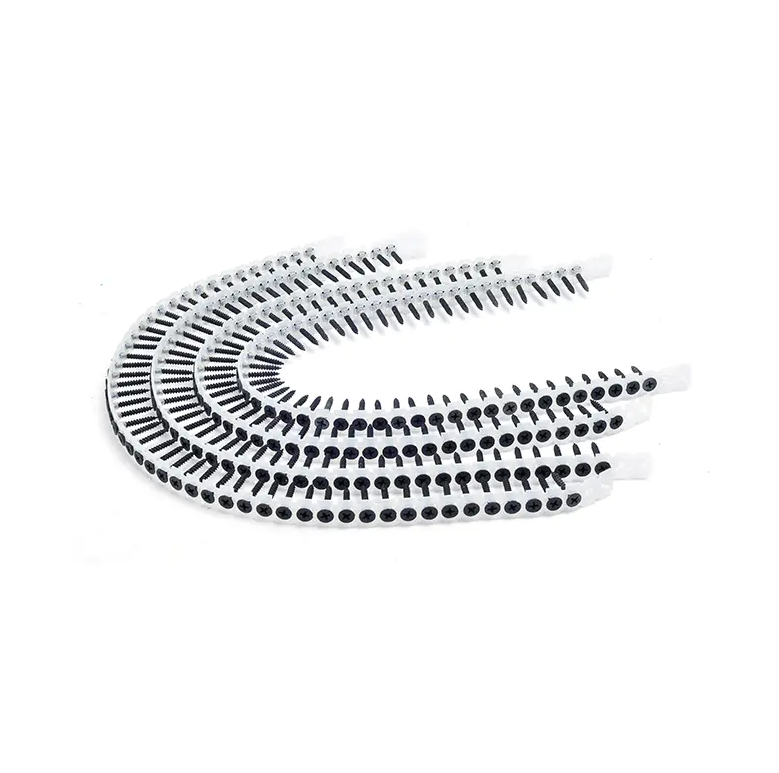
Choosing a supplier is not a one-step decision. It usually develops through observation, repeated contact, and small details that appear over time. Some signs are easy to notice. Others only become clear after several orders.
What Does "Reliable" Really Mean in Wholesale Supply?
Reliability is often used as a general word, but in practice it shows up in very specific ways.
A supplier may respond quickly at the beginning. That is helpful, but not enough on its own. Real reliability becomes visible when orders are repeated. The product still feels the same. The packaging does not shift. The communication remains steady.
In wholesale trade, stability matters more than intensity. A supplier does not need to be better in every situation. What matters is whether the overall pattern stays predictable.
When buyers talk about reliability, they usually refer to this quiet consistency rather than any single strong feature.
How Can Product Consistency Be Checked Over Time?
A sample order is usually the first step. It gives a basic impression of how the product looks and behaves. But a single sample cannot represent long-term performance.
Real evaluation happens when the second or third order arrives.
Small differences may appear. Sometimes it is surface appearance. Sometimes it is how the screws feel during use or handling. These changes may not be dramatic, but they can affect workflow on-site.
A stable supplier tends to keep these variations minimal. Even if production batches are not identical in every detail, the overall behavior stays familiar.
Consistency is often easier to notice than to measure. Buyers usually feel it rather than calculate it.
Why Does Communication Shape the Whole Cooperation Experience?
Communication in wholesale supply is not just about answering questions. It affects how smoothly orders move from planning to delivery.
Some suppliers respond clearly and directly. Others may take longer or give unclear updates. Over time, this difference becomes more noticeable than product appearance.
Good communication helps reduce confusion when order details change. It also supports faster adjustments when unexpected situations appear.
In long-term cooperation, communication style often becomes as important as product quality. Even a stable product can become difficult to manage if coordination feels uncertain.
How Does Packaging Influence Real-World Handling?
Packaging is often overlooked at the beginning. It seems like a secondary detail compared to product quality or pricing. However, in wholesale shipping, packaging becomes part of the product experience.
Loose packaging may create handling problems during transport or storage. Well-organized packaging helps maintain order and reduces extra work in warehouses.
Different buyers may prefer different formats. Some work with large-scale distribution systems. Others prefer smaller, more organized units.
Here is a simple comparison:
| Packaging Style | Typical Use | Practical Effect |
|---|---|---|
| Bulk packing | Construction supply chains | Faster unloading and handling |
| Boxed packing | Retail or resale markets | Easier storage and counting |
| Mixed packing | Flexible distribution needs | Balanced handling and storage |
Packaging does not change the screw itself, but it affects how easily the product moves through the supply chain.
What Role Does Production Stability Play in Supplier Selection?
Production stability is not always visible at first. It becomes clear when multiple orders are placed over time.
A stable production system tends to produce similar results across batches. This helps buyers avoid surprises during repeated orders.
When production conditions vary too much, small differences begin to appear. These differences may affect how the product feels or performs in real use.
Buyers often pay attention to repeatability rather than single-order performance. One good shipment is encouraging. Several consistent shipments build confidence.
Why Do Sample Orders Only Tell Part of the Story?
Sample orders are helpful, but they represent only a short moment in production behavior.
A sample may look well-made and properly packed. It may even perform smoothly in basic checks. However, this does not fully reflect long-term cooperation.
Real patterns appear only after repeated orders. That is when small differences, if any, start to show.
Some buyers use samples mainly to observe communication speed and response style. Others focus on packaging and basic handling experience.
In most cases, samples are a starting point rather than a final decision.
How Does Delivery Timing Affect Wholesale Decisions?
Delivery in wholesale trade is closely connected to planning. It is not only about speed but also about stability over time.
A Drywall Screws Factory who delivers once on time may still face difficulties in maintaining that rhythm across multiple orders.
When delivery timing shifts frequently, downstream planning becomes harder. Warehousing and project schedules may need constant adjustment.
Stable delivery creates predictability. Even if timing is not extremely fast, a consistent rhythm helps buyers manage operations more comfortably.
How Does Customization Fit Into Wholesale Supply?
Customization is becoming more common in drywall screw supply. Buyers may request different packaging styles, labeling, or product grouping.
These adjustments help match different market needs. Some regions prefer simple bulk supply. Others prefer more structured packaging for retail distribution.
However, customization needs balance. Too many changes can affect production flow. Too few options may limit market flexibility.
A practical supplier usually finds a middle point where customization does not interrupt consistency.
What Risks Often Appear in Long-Term Cooperation?
Risks in wholesale supply are rarely sudden. They usually develop slowly through repeated interaction.
Some common issues include small variations between batches, unclear communication during order changes, or shifting delivery timing.
These are not always visible at the beginning. They appear when cooperation becomes regular.
| Risk Area | How It Appears | Practical Impact |
|---|---|---|
| Batch variation | Slight product differences over time | Reduced predictability |
| Communication delay | Slow or unclear responses | Planning confusion |
| Delivery inconsistency | Changing arrival timing | Schedule disruption |
| Packaging variation | Different handling experience | Storage difficulty |
Awareness of these areas helps buyers observe patterns more clearly.
Why Do Long-Term Supplier Relationships Develop Gradually?
Wholesale relationships are rarely built in one step. They grow through repeated interaction and observation.
Each order adds small information. Each conversation reveals communication style. Each delivery shows consistency level.
Over time, buyers begin to form a clear picture. Some suppliers remain steady across all these points. Others show variation depending on conditions.
Long-term cooperation often forms when patterns stay stable rather than when a single order performs well.
Why Do Small Details Become More Important Over Time?
At the beginning, buyers usually focus on visible factors such as price and appearance. These are easy to compare.
As cooperation continues, attention shifts toward less obvious details.
How quickly questions are answered.
How consistent packaging remains across shipments.
How stable product behavior feels across multiple orders.
These small elements may not seem important individually. However, together they shape the overall experience of working with a supplier.
In wholesale supply, long-term trust is often built on these repeated small signals rather than one strong moment.

 Quick Links
