


 English
 русский
 中文简体
中文简体 عربى
عربى
Why do wall and masonry projects rely on concrete nails?
Wall and masonry structures are built from materials that are dense, firm, and resistant to simple fastening methods. Brick, cement, and stone surfaces do not respond the same way as wood or lightweight panels. They require a different kind of fixing approach.
Concrete nails are commonly used because they can work with these harder surfaces in a direct and practical way. They help connect materials to walls without complex installation systems.
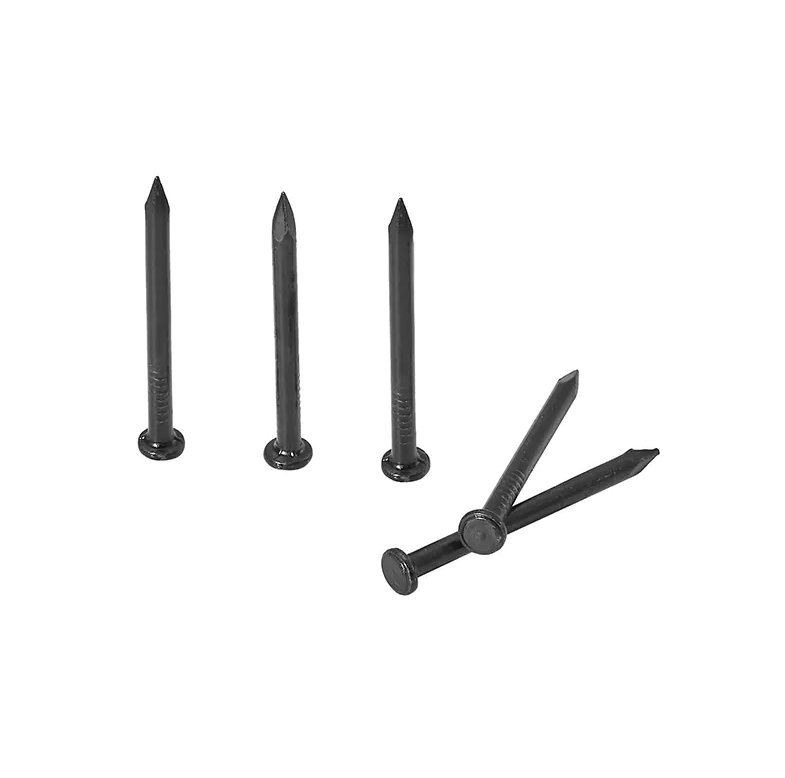
A concrete nails supplier becomes part of this process by providing fastening products that are designed for these conditions. Their role is closely linked with daily construction, repair work, and renovation tasks where wall fixing is needed.
The demand is steady because wall structures are everywhere, and fastening needs appear in almost every building environment.
What does a concrete nails supplier actually provide?
A supplier in this field focuses on fastening materials used for hard surface installation. These nails are mainly applied in wall and masonry fixing tasks.
Typical supply categories often include:
- nails for brick wall attachment
- fastening tools for cement-based surfaces
- fixing solutions for stone structures
- general wall installation hardware
These products may look simple, but they are designed to handle strong resistance during use.
The supplier's responsibility is not only distribution. It also involves keeping product consistency stable so that each nail performs in a similar way during installation.
In construction work, this consistency helps reduce uncertainty on site.
How do concrete nails interact with masonry surfaces?
Masonry walls come in many forms, such as bricks, concrete blocks and natural stone. Every material reacts differently when hammered nails are pushed into them.
Concrete nails stick firmly to wall surfaces to hold fixtures in place. Their grip strength changes based on how dense the wall material is and how even its internal makeup stays.
Hard masonry needs slow, steady hammer blows to drive nails through. Softer masonry lets nails sink in easily, but we still need a tight fit to keep things secured.
Most concrete nail manufacturers make universal nails that suit multiple masonry types, instead of only producing nails for one single wall material.
This flexible design works well for real building sites, since walls on construction jobs almost never have uniform texture all over.
Why is consistency important in wall fixing materials?
In wall and masonry fixing, consistency affects how predictable the installation process is. If one nail behaves differently from another, the installer has to adjust constantly.
That slows down work and increases uncertainty.
Suppliers focus on maintaining stable production so that:
- each nail has similar structure
- installation behavior remains predictable
- fastening strength stays within a steady range
- handling during work feels uniform
When materials behave consistently, construction work becomes smoother and less dependent on trial and adjustment.
Even small differences in fastening behavior can affect the final result on a wall surface.
How do different wall conditions change installation behavior?
Wall surfaces are not always even or uniform. Some areas may be dense, while others feel slightly softer or layered. This variation is common in real masonry structures.
Concrete nails respond differently depending on these conditions.
In dense brick walls, installation may require more controlled force. In cement blocks, the material may allow slightly easier penetration. In stone-based surfaces, positioning becomes more important due to irregular texture.
Common wall conditions include:
- solid brick construction
- cement block partitions
- mixed masonry structures
- older walls with uneven density
A concrete nails supplier often aims to provide products that remain usable across all these variations without needing specialized changes for each case.
What role does installation environment play?
Wall and masonry fixing rarely happens in ideal environments. Construction sites are often exposed to dust, temperature changes, moisture, and uneven working conditions.
These environmental factors can influence installation behavior.
For example:
- dusty surfaces may affect contact quality
- uneven walls can change nail direction
- moisture can influence surface resistance
- limited space may affect hammering angle
Because of this, concrete nails must remain stable under a range of working conditions.
Suppliers support this by ensuring that the product maintains consistent behavior even when external conditions are not controlled.
How does supply stability affect construction progress?
All building jobs run on tight schedules. Mounting and fixing walls sits within a long chain of construction steps, and any hold-up on fasteners can hold up the whole workflow.
Suppliers that provide concrete nails keep builds on track by making sure these fasteners are always in stock and ready for delivery.
Consistent stock levels help with several key parts of the job:
- Locking in fixed timelines for wall fitting work
- Keeping different construction crews aligned with each other
- Keeping structural assembly moving forward as planned
- Sticking to the set schedule for all finishing work
If materials arrive reliably, crews can keep working without pausing to rethink their material orders or shift work plans around.
Even brief shortages of these small fasteners can create cascading delays that push back several later phases of the build.
How are concrete nails used across different masonry applications?
Concrete nails are used in many wall-related applications. Their main role is to connect materials to solid surfaces in a direct way.
Common uses include:
- attaching wooden frames to brick walls
- fixing lightweight structures to cement surfaces
- securing panels during renovation work
- supporting general wall-mounted installations
They are not structural replacements. Instead, they act as connectors between different building materials and masonry surfaces.
A Concrete Nails Factory ensures these materials are available for both small repairs and larger construction tasks.
Comparison of wall fixing conditions in practice
| Wall Condition | Surface Behavior | Installation Response |
|---|---|---|
| Brick wall | Dense and stable | Requires controlled application |
| Cement block | Moderate resistance | Balanced installation effort |
| Stone surface | Hard and irregular | Careful positioning needed |
| Mixed masonry | Variable density | Adaptable installation approach |
This table shows how different wall types influence fastening behavior during real use.
Why does product behavior matter more than appearance?
In construction fastening, appearance is not the focus. What matters is how the product behaves during use.
Concrete nails must perform consistently when applied to hard surfaces. Small differences in shape or structure can affect installation feel and final holding behavior.
A concrete nails supplier focuses on maintaining stable product behavior so that installers can rely on predictable results.
Key performance expectations include:
- stable penetration into wall surfaces
- consistent resistance during application
- reliable holding after installation
- minimal variation across batches
These factors help reduce uncertainty in real construction work.
How does masonry fixing connect to broader building systems?
Securing fittings onto masonry walls is just one step in the full building workflow, linking frame setup, wall fitting and final finishing work together.
Concrete nails bind different building materials firmly to solid masonry walls. If fasteners fail to hold well, every subsequent construction task will face unnecessary setbacks.
These fasteners might look tiny, yet they keep the whole structural installation process cohesive.
Concrete nail suppliers back up this whole construction chain by guaranteeing fasteners arrive on schedule whenever crews need them.
What defines the importance of concrete nails suppliers in wall work?
A concrete nail supplier's value does not come from complicated products, but steady, dependable supply.
They deliver fasteners that perform reliably on real job sites, letting wall and masonry crews keep working without avoidable downtime.
Simply put, they tie raw material stock, on-site installation and overall project timelines into one smooth workflow that keeps regular construction moving ahead.

 Quick Links
