


 English
 русский
 中文简体
中文简体 عربى
عربى
Why does framing material change screw selection?
Walk into any active construction site and the rhythm feels familiar. Panels are lifted, aligned, and secured in steady motion. What often goes unnoticed is how the choice of framing quietly shapes every fastening decision.
Wood and metal framing behave in very different ways. One is soft, slightly flexible, and forgiving. The other is firm, smooth, and less tolerant of mistakes. Because of this, the same drywall screw cannot perform the same way in both environments.
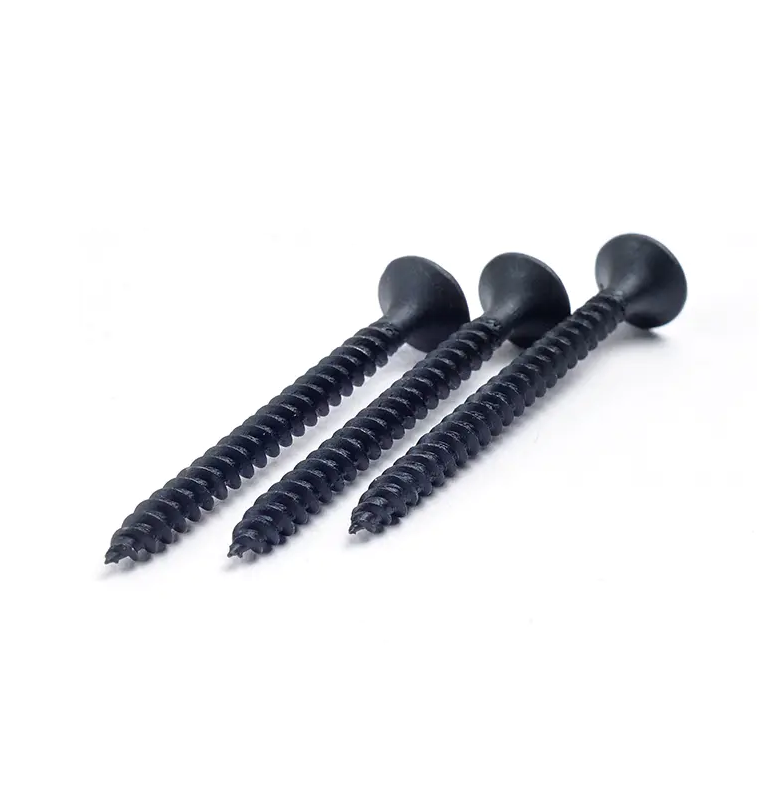
When a screw meets wood, it grips into fibers. Those fibers compress and hold. There is a sense of resistance that builds gradually. With metal, the interaction is sharper. The screw must pierce and hold without the help of natural fibers. The margin for error becomes smaller.
This difference affects installation speed, holding strength, and even how the finished wall feels over time. It also explains why construction teams pay attention to screw type long before the panels go up.
How do China Drywall Screws behave in wood framing?
Wood framing has been used for a long time. Its familiarity makes it easier to work with, even for less experienced installers. Drywall screws used in wood tend to rely on the material's ability to compress and grip.
When driven into wood, the screw threads cut into the surface and create a tight hold. The process feels smooth. There is feedback through the tool. Installers can sense when the screw is seated properly.
Several characteristics define this interaction:
- The screw enters with steady resistance
- The material slightly closes around the threads
- Minor positioning errors are often tolerated
- Adjustments can be made without damaging the structure
This forgiving nature supports faster installation. It also reduces the risk of stripping or slipping during the process.
Another point worth noting is vibration. Wood absorbs small movements. This helps maintain the hold of the screw over time, even in spaces where slight shifts may occur.
What changes when working with metal framing?
Metal framing introduces a different experience. The surface is smooth. There are no fibers to compress. The screw must create its own path while maintaining enough grip to stay secure.
The entry phase is more abrupt. The screw tip must pierce the metal surface cleanly. If it fails to do so, it may slide or scratch instead of entering. This often leads to wasted effort and visible marks on the frame.
Once inside, the screw relies on a more precise engagement. There is less room for adjustment. Overdriving can weaken the hold. Underdriving leaves the panel unstable.
The process demands attention:
- Alignment must be accurate
- Pressure must be controlled
- Speed should remain steady
- Tool handling needs consistency
Metal framing does not forgive easily. Each screw placement matters.
At the same time, metal offers stability. It does not warp like wood. When screws are installed correctly, the result can feel firm and uniform across the entire surface.
How does installation technique differ between the two?
The difference between wood and metal framing is not only about the screw itself. It also changes how installers approach the task.
With wood framing, movement is more fluid. Installers often work quickly, relying on experience and feel. The material allows for small corrections during installation.
Metal framing slows the process slightly. It requires more deliberate placement. Installers may pause briefly to ensure alignment before driving the screw.
Here is a simple comparison:
| Aspect | Wood Framing | Metal Framing |
|---|---|---|
| Entry feel | Gradual and resistant | Sharp and direct |
| Error tolerance | Relatively flexible | Limited |
| Adjustment | Easier to reposition | More difficult |
| Speed | Faster workflow | More controlled pace |
| Surface reaction | Compresses slightly | Remains rigid |
These differences influence not only productivity but also training. Teams working with metal framing often spend more time refining technique.
What role does screw design play in each case?
Even without diving into technical details, it is clear that screw design adapts to the material it meets.
For wood framing, screws are shaped to bite into softer surfaces. The focus is on creating a strong grip without splitting the material. The design supports smooth entry and consistent hold.
For metal framing, the design shifts. The screw must penetrate a harder surface and maintain contact without slipping. This requires a sharper entry point and a structure that holds firmly once inside.
The contrast is subtle when viewed from a distance. Yet on site, it becomes obvious. Using the wrong type of screw can slow down work and affect the final result.
Installers often notice:
- In wood, the screw pulls the panel in with ease
- In metal, the screw must be guided carefully into place
- In both cases, the right design reduces effort and improves consistency
The design is not about complexity. It is about matching behavior to the material.
Why do common installation issues differ?
Every construction process faces challenges. With drywall screws, the issues vary depending on the framing material.
In wood framing, common problems include:
- Screws driven too deep into the panel
- Slight loosening over time if not seated properly
- Occasional splitting near edges
These issues are often easy to correct. The material allows for adjustments.
In metal framing, the problems tend to look different:
- Screws failing to catch the frame
- Slipping across the surface before entry
- Weak hold due to incorrect driving depth
These challenges can slow progress. They also require more attention during installation.
A short comparison helps highlight the contrast:
| Issue Type | Wood Framing | Metal Framing |
|---|---|---|
| Overdriving | Possible but manageable | Can reduce holding strength |
| Missed placement | Less common | More frequent if alignment is off |
| Surface damage | Minimal | More visible scratches |
| Rework effort | Lower | Higher |
Understanding these differences helps teams prepare and avoid delays.
How do working environments influence the choice?
Building sites are nothing like controlled labs, each with totally different working surroundings. Heat, moisture and limited space all change how installation works out.
Wood frames expand and shrink with weather shifts. Over time, this slight movement can loosen screws fixed into them.
Metal frames barely warp, but they come with other site issues. Cold metal makes tools harder to handle, and smooth coatings make it tricky to get a good grip while driving fasteners.
On packed construction jobs, these little details add up. They affect crew work speed and how materials hold up during fitting.
Workers adapt their ways to fit the site environment:
- Take extra care and slow down when installing metal in narrow spaces
- Regularly check how deep screws sink into wooden frames
- Keep even, gentle force to stop scratching or denting surfaces
These small changes don't make work harder. They just help builders keep consistent quality even when site conditions keep changing.
What do installers notice over time?
Experience builds quietly. Over time, installers develop a sense for how different materials respond.
In wood framing, the process becomes almost intuitive. The sound of the drill, the feel of resistance, and the final seating all provide feedback.
Metal framing requires a different kind of awareness. The installer listens for a sharper sound. They watch the angle more closely. The feedback is less forgiving but more precise.
Some observations often shared on job sites:
- Wood framing allows a faster rhythm once the pace is set
- Metal framing rewards careful and consistent technique
- Mistakes in wood are easier to fix
- Mistakes in metal are easier to notice
These insights are rarely written down. They are learned through repetition and shared between team members.
How do project types influence screw choice?
Not every project uses the same framing. Residential construction often leans toward wood. Commercial spaces may use more metal framing.
This shift affects not only materials but also workflow.
In residential settings, speed and flexibility are often priorities. Wood framing supports this approach. Drywall screws designed for wood help maintain a steady pace.
In commercial projects, uniformity and long-term stability are often emphasized. Metal framing aligns with these goals. The screws used must match this environment and support consistent installation.
Different project types also shape expectations:
- Residential work may focus on ease of handling
- Commercial work may focus on precision and consistency
- Mixed-use spaces may require both approaches
The choice of drywall screws reflects these priorities.
What should buyers and contractors keep in mind?
Choosing Drywall Screws Factory is not just about availability. It involves understanding how materials interact and how installation unfolds on site.
A few practical considerations often guide decisions:
- Match the screw to the framing material
- Consider the working environment
- Think about installation speed versus control
- Pay attention to how the screw behaves during use
These points may seem simple, yet they influence daily operations.
Contractors often look beyond the product itself. They think about workflow, team experience, and project demands. The goal is to maintain a balance between efficiency and stability.
How does this choice shape the finished surface?
The final appearance of a wall depends on many factors. Fastening plays a quiet but important role.
In wood framing, the slight flexibility can help absorb minor irregularities. The surface may feel more forgiving during finishing.
In metal framing, the structure remains firm. This can support a more uniform surface, provided installation is done carefully.
The difference is not dramatic at a glance. Yet over large areas, it becomes noticeable. Consistency in screw placement leads to smoother finishing work.
Installers often aim for:
- Even spacing
- Consistent depth
- Minimal surface disruption
These habits support better results, regardless of the framing type.
How are industry practices evolving?
Construction methods continue to adapt. Materials change. Tools improve. Yet the basic interaction between drywall screws and framing remains rooted in physical behavior.
What has shifted is awareness. Teams are more conscious of matching materials and methods. Training emphasizes understanding rather than routine.
There is also a growing focus on efficiency. Crews look for ways to reduce rework and maintain steady progress. Choosing the right screw for wood or metal framing supports this goal.
At the same time, supply chains have become more flexible. Contractors can access a wider range of fastening options. This makes it easier to align materials with project needs.
The result is a more thoughtful approach to what once seemed like a simple decision.
What patterns can be seen across different job sites?
Across various projects, certain patterns appear again and again.
Wood framing tends to create a smoother learning curve. New installers adapt quickly. The material responds in a predictable way.
Metal framing introduces a sharper learning phase. It demands attention early on. Once mastered, it offers consistency.
Teams often adjust based on experience:
- New crews may prefer wood framing tasks at the start
- Experienced installers handle metal framing with confidence
- Mixed teams share knowledge to maintain efficiency
These patterns are not fixed rules. They reflect how people interact with materials over time.
How does this affect long-term maintenance?
Even after installation, the choice between wood and metal framing continues to matter.
Wood structures may respond to environmental changes. Slight movement can occur. Screws must maintain their hold despite these shifts.
Metal structures remain more stable in shape. The screws rely on precise engagement to stay secure.
Maintenance teams sometimes observe:
- In wood framing, minor adjustments may be needed over time
- In metal framing, issues are less frequent but require careful handling
These observations guide how future projects are planned and executed.
What subtle details often go unnoticed?
In daily work, many small details fade into the background. Yet they shape the outcome.
The angle of the drill.
The pressure applied at the start.
The moment the screw head meets the surface.
These actions differ between wood and metal framing. They influence how the screw settles and how the panel sits.
Experienced installers often rely on these subtle cues. They adjust without thinking. The process becomes smooth and consistent.
For those new to the field, these details take time to learn. Understanding the difference between materials helps shorten that learning curve.
How does teamwork influence installation quality?
Drywall installation is rarely a solo task. It involves coordination. Panels are positioned, held, and secured in sequence.
In wood framing, the pace allows for quick collaboration. Adjustments can be made on the fly. Communication remains simple.
In metal framing, coordination becomes more deliberate. Each step may require confirmation. The team moves with a shared focus on precision.
Good teamwork reduces errors. It also improves efficiency. When everyone understands how screws behave in different materials, the process becomes more predictable.
What small choices make a noticeable difference?
Not every improvement comes from large changes. Small decisions often shape the overall result.
Choosing the right screw for the framing type is one of those decisions. It affects:
- Installation speed
- Surface quality
- Long-term stability
Other small choices include:
- Maintaining consistent tool settings
- Checking alignment before driving screws
- Observing how materials respond during work
These habits build over time. They create a smoother workflow and reduce unnecessary corrections.
The discussion around drywall screws for wood versus metal framing continues to evolve through daily practice. Each project adds new observations. Each team develops its own rhythm. The interaction between material and method remains at the center of it all.

 Quick Links
