


 English
 русский
 中文简体
中文简体 عربى
عربى
What does "installation friction" really mean on site?
On a busy drywall site, friction is not just about surfaces rubbing together. It shows up in small delays, repeated adjustments, and moments when tools or materials do not respond as expected. A screw that slips, a board that shifts, or a worker pausing to correct alignment — all of these slow the rhythm of work.
Installers often describe a smooth job as one where movements feel continuous. Boards go up, fasteners go in, and the surface holds without extra effort. When that flow breaks, teams feel it immediately. Even minor interruptions can ripple through the schedule.
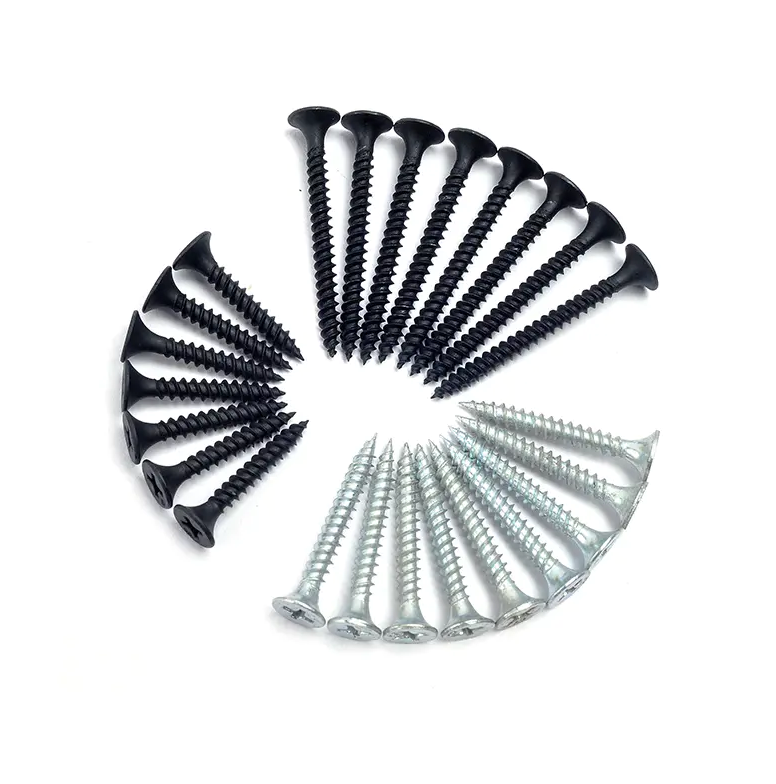
Gyprock Screws Plastic have entered this conversation as a possible way to reduce such friction. The idea is simple. If a fastening method supports smoother handling and more predictable placement, the entire process may feel easier to manage.
Why are plastic screws drawing attention now?
Material choices in construction tend to shift quietly. Over time, small adjustments become visible patterns. Plastic-based fasteners are one example. They are not replacing traditional options across the board, but they are appearing more often in discussions about workflow.
Part of the interest comes from handling. Plastic screws feel different in the hand. They are lighter, and in some cases, easier to organize during repetitive tasks. Workers who spend long hours installing boards notice these subtle differences.
There is also a growing focus on reducing strain during installation. Teams are looking at ways to maintain steady output without increasing fatigue. When a fastening method supports smoother motion, it naturally becomes part of that discussion.
Another factor is consistency. On uneven surfaces, small variations can affect how a screw enters the material. Plastic fasteners may respond differently under pressure, which can influence how installers adjust their technique.
How do plastic gyprock screws interact with drywall surfaces?
Drywall is not a uniform material. Its outer layer is firm, while the inner core has a softer structure. This combination requires a fastening approach that balances grip and control.
Plastic screws tend to engage with the surface in a way that feels less abrupt. Some installers describe the entry as more controlled, with less sudden resistance. This can help reduce the chance of overdriving or damaging the board surface.
The interaction also affects alignment. When a screw enters smoothly, it is easier to maintain a straight path. This matters when working across large wall sections, where consistency plays a key role in the final finish.
Below is a simple comparison of how different screw types may influence surface interaction:
| Aspect | Plastic Gyprock Screws | Traditional Metal Screws |
|---|---|---|
| Initial contact feel | Softer engagement | Firmer contact |
| Control during driving | More gradual response | More immediate response |
| Surface impact | Lower risk of marking | Higher chance of marks |
| Adjustment during use | Easier to reposition | Less forgiving |
These differences do not define performance on their own, but they shape how installers experience the process.
Can lighter materials improve handling during installation?
Handling is often overlooked when discussing fasteners. Yet it plays a direct role in efficiency. Workers pick up, position, and drive screws repeatedly throughout the day. Small changes in weight and feel can influence that rhythm.
Plastic screws are generally lighter than metal ones. This may not seem significant at first, but over time, it can reduce the sense of strain in repetitive movements. Installers who work overhead or at awkward angles may notice this more clearly.
There is also the question of grip. Some plastic fasteners offer a surface texture that feels different from metal. This can make them easier to hold, especially when working quickly.
In practical terms, improved handling may lead to:
- Fewer dropped fasteners during placement
- Smoother transitions between tasks
- Less interruption when switching tools or positions
These points do not transform the entire process, but they contribute to a steadier workflow.
What role does consistency play in reducing friction?
Consistency is a key factor in any installation process. When each step behaves as expected, workers can maintain a steady pace. Variations, even small ones, create hesitation.
Plastic gyprock screws may offer a more uniform response in certain conditions. Their material properties can influence how they react to pressure and movement. This can lead to a more predictable driving experience.
Consistency also affects teamwork. On larger projects, multiple installers work on the same surface. When everyone uses fasteners that behave in a similar way, coordination becomes easier.
Consider the following aspects of consistency:
| Workflow Element | Influence on Friction |
|---|---|
| Screw entry behavior | Affects initial control |
| Driving resistance | Impacts speed and effort |
| Surface finish result | Determines need for rework |
| Alignment stability | Supports continuous motion |
When these elements remain stable, the overall process feels smoother.
Are there trade-offs when using plastic screws?
No material choice really comes free of trade-offs. Plastic gyprock screws bring some real advantages to the table, sure, but they also need a bit more attention in certain situations.
One thing that comes up is strength perception. A lot of installers are just more used to metal fasteners, so switching over to plastic can leave them feeling a little uncertain at first. Most of the time that's really more about experience than actual performance, but it still ends up affecting how quickly people adopt the change.
Environmental exposure is another factor worth thinking about. Site conditions can swing quite a bit — temperature, humidity, surface quality, all of that plays into how materials actually behave. Plastic screws might respond a bit differently depending on those conditions, so installers sometimes need to tweak how they're approaching the job.
Then there's the learning curve too. Even small differences in how something handles can mean a short adjustment period. Teams usually need a little time to figure out the comfortable way to work with these fasteners.
None of this really limits where plastic screws can be used — it just shapes how and where they end up getting applied.
How do installers describe the day-to-day experience?
Feedback from people actually out on the job tends to focus more on practical, hands-on details rather than technical specs. Installers usually talk about how something feels while they're using it, and how that affects their overall pace through the day.
Quite a few describe plastic gyprock screws as easier to handle during long shifts. That lighter feel combined with smoother entry means less need for constant little corrections along the way. Some also mention being able to keep a more relaxed grip on the tool, which just helps with comfort over a full shift.
Noise and vibration come up in conversation a fair bit too. Driving a screw into drywall always creates some feedback through the tool, and plastic fasteners tend to produce a slightly different sensation — a lot of workers actually find it a bit less harsh compared to metal.
That said, not everyone feels the same way about it. Some installers still prefer the familiar response they get from metal screws. Really just goes to show how much habit and personal preference play into construction work.
Could workflow planning benefit from material changes?
Workflow isn't only about raw speed. It's really about coordination, timing, and being able to keep progress moving without constant interruptions. Material choices end up playing a part in that bigger picture too.
Plastic gyprock screws can actually help support smoother transitions between tasks. When the handling feels easier and placement turns out more predictable, teams end up moving from one section to another with fewer pauses along the way.
That can shape planning in a few different ways:
- Cutting down on the need for frequent adjustments
- Letting teams keep a more consistent pace across the board
- Supporting a cleaner, more streamlined sequence through installation steps
Even small gains in these areas can end up making a real difference in keeping momentum going on site.
What does this mean for future drywall practices?
The use of plastic fasteners in drywall projects reflects a broader shift toward refining everyday processes. Instead of focusing only on large innovations, the industry is paying attention to smaller details that shape daily work.
Plastic gyprock screws are part of this shift. They do not redefine construction, but they offer an alternative approach to a familiar task. By influencing handling, consistency, and surface interaction, they contribute to a smoother installation experience.
As more teams explore different materials, the conversation around installation friction will continue to evolve. Each project brings its own conditions, and each crew develops its own preferences. Within that space, even a small component like a screw can play a role in shaping how work gets done.

 Quick Links
