


 English
 русский
 中文简体
中文简体 عربى
عربى
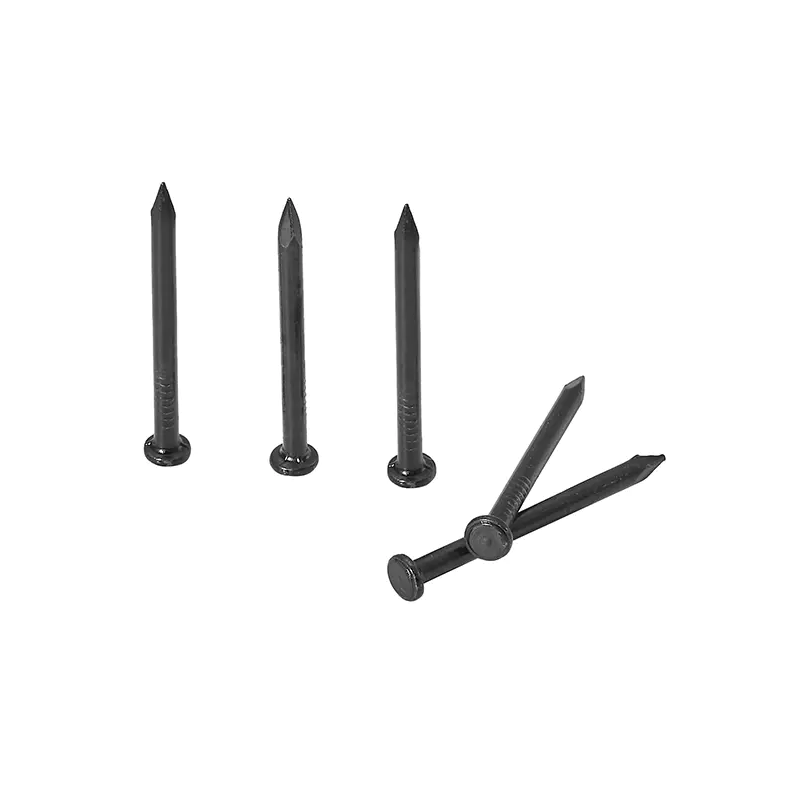
On a busy construction site, attention often goes to large equipment or visible structures. Yet progress is often shaped by smaller components. Concrete insulation nails are one such detail. They are handled every day, in large numbers, and usually without much discussion. Still, their influence on timing, coordination, and labor effort is easy to notice once installation begins.
Crews that move steadily tend to follow a pattern. Materials arrive in order. Tasks connect without pause. Fastening work plays a quiet but steady role in that flow. When it goes well, the project feels smooth. When it does not, delays appear in unexpected places.
What Makes Concrete Insulation Nails Important During Installation?
These fasteners hold insulation boards against concrete surfaces. The task sounds simple, but the process involves repeated actions across wide areas. Each action takes a few seconds. Over time, those seconds add up.
Workers rely on these nails to secure materials before moving on. If fastening feels unstable or uneven, they slow down. They check their work more often. Sometimes they redo sections to avoid problems later.
A stable attachment allows confidence. Crews move forward without second-guessing each step. That sense of flow supports the pace of the entire project.
How Does Installation Rhythm Shape Daily Progress?
Construction work basically runs on a steady rhythm once it gets going. Crews grab materials, line components up, get them secured in place, then move on to whatever's next. Any little disruption to that flow ends up throwing off the whole pace of the job.
Concrete insulation nails actually play a bigger role in that daily rhythm than people might expect:
- Nails that are easy to handle cut down on those awkward pauses that pop up on site
- Clear positioning marks let workers make quicker calls on the spot instead of second-guessing placement
- Smooth, effortless insertion means less rework and fewer constant adjustments
When each step just flows naturally like that, crews end up holding a pretty consistent working tempo throughout the day. They're not stopping every few minutes to think through each motion. There's less unnecessary strain piling up over the hours too, which keeps things running steady all day long.
On the flip side, small hitches break focus way too easily. A nail that doesn't fit right or a panel that keeps slipping forces the crew into unplanned stops. And when dozens of workers are running into that same kind of setback over and over, those little delays start stacking up fast — and before long, they turn into real, measurable losses in productivity.
Why Does Placement Consistency Affect Efficiency?
Consistency is not just about appearance. It affects how often work needs to be corrected.
If nails are placed unevenly, insulation boards may not sit flat. Workers may notice gaps or slight movement. At that point, they stop and adjust. Sometimes they remove and reinstall sections.
This back-and-forth takes time. It also interrupts workflow. Instead of moving forward, crews repeat earlier steps.
Consistent placement helps avoid this cycle. It creates a stable surface that supports the next stage of work. Workers can trust that once a section is finished, it will stay in place.
How Do Site Conditions Change Installation Behavior?
No two construction sites feel exactly the same. Even when designs are similar, the working surface can differ. Some concrete surfaces feel smooth. Others are rough or uneven. These differences affect how insulation nails behave.
Moisture can also play a role. A slightly damp surface may change how materials grip. Dust or debris can interfere with positioning. Workers often adjust their approach without formal discussion. They rely on experience and observation.
The following table shows how common conditions can influence installation flow:
| Site Condition | Effect on Work Pace |
|---|---|
| Uneven surface | More time spent adjusting placement |
| Dust or debris | Slower positioning and extra cleaning |
| Moisture presence | Cautious handling and repeated checks |
| Tight working space | Limited movement and slower progress |
Recognizing these conditions early helps crews adapt. Small adjustments can prevent larger delays later on.
Can Preparation Improve Installation Speed?
Preparation ends up deciding a lot about how smoothly the work actually unfolds. When materials are ready and organized ahead of time, workers aren't wasting time hunting things down or repositioning stuff mid-task.
On insulation projects, that kind of prep work might look like:
- Keeping nails and boards arranged within easy reach
- Marking out general placement areas before things even get started
- Making sure tools are actually working properly
- Clearing off the work surface
None of these steps really take that long, but they cut down a surprising amount on interruptions once installation gets underway. Workers end up focusing on the actual task instead of dealing with obstacles that honestly could've been avoided in the first place.
A site that's properly prepped also just makes teamwork easier. When everyone already knows where the materials are and roughly how the work is going to proceed, coordinating between crew members becomes a lot less of a hassle.
How Does Worker Experience Influence Efficiency?
Experience tends to show up in the small movements more than anything else. A skilled worker handles materials with a kind of confidence — they get nails positioned quickly and apply just the right amount of force without really hesitating.
Workers with less experience, on the other hand, usually take a bit longer. They might adjust their position more often, or double-check their work more than they need to. That's just part of the learning curve, honestly, but it does end up affecting overall speed.
Over time though, workers pick up habits that naturally improve efficiency:
- Recognizing the right placement without measuring out every single point
- Adjusting to surface changes on the fly, without stopping to think it through
- Keeping a steady pace going without rushing through it
Training and guidance really help build up those habits faster. Even something as simple as a quick demonstration can make a noticeable difference in how fast a team adapts to the work.
What Common Issues Slow Down Installation?
Certain problems appear regularly on site. They are not dramatic, but they create small delays that add up.
Some examples include:
- Nails not holding firmly, leading to rework
- Boards shifting during installation
- Uneven spacing that requires correction
- Tools that do not match the task
- Materials placed too far from the work area
Each issue interrupts the flow. Workers stop, fix the problem, and then resume. These pauses break concentration and extend the working time.
Reducing these issues does not require complex solutions. Often, it comes down to awareness and simple adjustments in handling.
How Do Concrete Insulation Nails Affect Coordination Between Teams?
Construction projects involve many groups working in sequence. Insulation installation often sits between earlier structural tasks and later finishing work.
If fastening is incomplete or uneven, the next team cannot proceed. They may wait or return later. This disrupts the planned schedule.
When insulation is secured properly, the transition between teams becomes smoother. Each group can begin work without delay. This improves overall coordination and reduces idle time on site.
Clear communication also helps. When teams understand the status of fastening work, they can plan their tasks more effectively.
Why Do Small Details Have a Large Impact on Efficiency?
China Concrete Nails are small, but they are used repeatedly. Their effect builds over time. A few seconds saved on each installation can shorten the overall schedule. A few seconds lost can extend it.
Efficiency on site is rarely about one big change. It often comes from many small improvements working together. Fastening methods are part of that system.
When crews pay attention to these details, work feels smoother. Progress becomes more predictable. The project moves forward with fewer interruptions, even if no single step stands out on its own.

 Quick Links
