


 English
 русский
 中文简体
中文简体 عربى
عربى
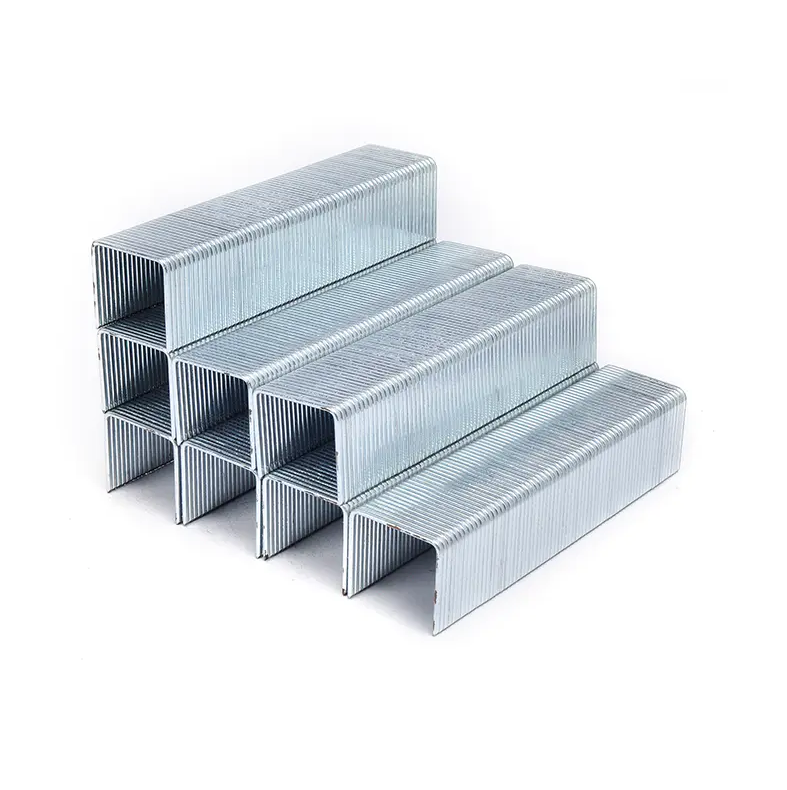
Heavy duty staple wire may look simple when it is packed in coils or bundled for shipment. In real use, it plays an important role in packaging, carton sealing, and fastening work. Once it is taken out of good condition storage, problems such as rust, stiffness, or uneven feeding can quickly show up.
What often gets ignored is that the condition of the wire is not fixed after production. It keeps reacting slowly to the environment around it. Storage becomes the stage where small changes accumulate without being noticed.
Why Does Storage Environment Affect Staple Wire So Much?
Metal wire is sensitive to its surroundings, even when it is not being used. Air, moisture, and contact surfaces all leave small traces over time. These changes are not immediate, which is why they are often missed in daily management.
In many warehouses, wire is stored for weeks or even longer before use. During that time, it may already start to change slightly in appearance and behavior.
Common early signs include:
- Slight dullness on the outer layer
- Less smooth unwinding during use
- Small resistance when feeding into tools
- Uneven surface feel compared with new material
These signs are subtle, but they often point to storage influence rather than production issues.
How Does Moisture Slowly Lead to Rust?
Humidity in the air is a main cause of metal rusting. Metals can get corroded even without touching liquid water directly. Long exposure to humid air will slowly set off chemical changes on metal surfaces.
When air switches between dry and wet states, tiny water drops will form on wire surfaces. This thin water layer is hard to spot and can linger for a long time.
These places are prone to moisture damage:
- Warehouses with poor air circulation
- Loading areas with frequent air exchange
- Large temperature gaps between day and night in different seasons
- Ground and wall surfaces that easily hold dampness
Continuous moisture contact triggers slow oxidation. Rust appears in small areas, then expands step by step.
What Kind of Storage Space Helps Keep Wire Stable?
There is no need for complicated facilities to store wires properly. Keeping the environment steady is the key. Drastic temperature and humidity changes do more harm than a mild yet stable environment.
Suitable storage space has these features:
- Dry air with no sudden humidity fluctuation
- Gentle ventilation to prevent stale air
- Clean surroundings free of accumulated dust
- Good placement away from cold and damp surfaces
Simple measures like leaving gaps between stacked goods and staying clear of enclosed corners can effectively cut down rust risks over time.
Why Does Packaging Alone Not Solve the Problem?
Wire is usually delivered with protective packaging. This helps reduce exposure during transport. However, once the package is opened, the protection weakens.
Over time, air slowly enters the space around the material. If storage continues for a long period, the original packaging can no longer fully block environmental influence.
Simple habits that help include:
- Keeping sealed packaging until actual use
- Covering opened bundles when possible
- Avoiding repeated unpacking and repacking
- Using moisture-resistant wrapping in storage
These steps are not complicated, but they help slow down surface change.
What Happens When Wire Is Stored Under Pressure?
Stacking is common in storage areas, especially when space is limited. However, pressure from heavy stacking can affect coil shape over time.
The wire may not break, but it can slowly lose its original form. This becomes noticeable during feeding or unwinding.
Possible effects include:
- Coils becoming slightly uneven
- Resistance during smooth feeding
- Irregular movement in machines
- Extra friction during processing
Once shape changes begin, they often remain until the material is fully used.
How Does Temperature Change Influence Wire Condition?
Temperature itself is not always harmful, but rapid change is. When temperature rises and falls repeatedly, moisture behavior in the air also changes.
This leads to condensation forming on metal surfaces, especially in storage spaces without insulation or control.
Over time, this can result in:
- Small water droplets forming on coils
- Gradual surface dullness
- Uneven oxidation in exposed areas
- Reduced smoothness during use
Even when the environment feels dry, these micro changes can still occur.
Common Storage Risks and Their Effects
| Storage Situation | What Happens Over Time | Effect on Wire Use |
|---|---|---|
| High humidity air | Moisture stays on surface | Rust spots and rough feeding |
| Poor ventilation | Air becomes stagnant | Uneven surface condition |
| Heavy stacking pressure | Coil shape slowly changes | Feeding instability |
| Temperature fluctuation | Condensation cycles appear | Surface quality decline |
| Direct floor contact | Dampness absorbed upward | Local corrosion risk |
This table shows how everyday storage conditions can quietly influence performance later.
Why Is Floor Contact Often Overlooked?
In many warehouses, wire is placed directly on the floor for convenience. The problem is that floors often carry hidden moisture, especially concrete surfaces.
Even if the surface looks dry, moisture can still move upward slowly. This makes the lower part of the material more vulnerable over time.
Simple separation methods help reduce this risk:
- Using pallets or raised platforms
- Keeping distance from walls and corners
- Avoiding low-lying storage areas
- Allowing airflow underneath materials
This creates a buffer between the wire and hidden moisture sources.
How Does Airflow Help Prevent Long-Term Damage?
Air movement is often not visible, but it plays a steady role in storage stability. Without airflow, moisture tends to stay in one place and slowly build up.
With better circulation, the environment becomes more balanced.
Benefits of airflow include:
- Reducing localized dampness
- Helping temperature remain steady
- Preventing uneven surface changes
- Slowing down oxidation formation
Even simple spacing between stacks can improve air movement without extra equipment.
What Happens When Storage Time Becomes Too Long?
Even in good conditions, metal does not remain unchanged forever. Long storage periods can still to gradual surface aging.
These changes are usually slow:
- Slight reduction in surface brightness
- Minor stiffness in tightly packed coils
- Less smooth unwinding during use
- More sensitivity after exposure to open air
This is why stock rotation and periodic inspection are often used in warehouses.
How Does Handling Affect Final Wire Condition?
Storage conditions are not the only factor. Handling during movement also influences material quality.
Rough handling can cause small damage that later affects performance.
Common issues include:
- Scratches on protective layers
- Loose or uneven coil shape
- Exposure of fresh metal surfaces
- Deformation during transport inside warehouse
Once the protective layer is affected, rust can start more easily in those areas.
Gentle handling helps maintain stability from storage to usage.
Why Do Small Storage Improvements Make a Big Difference?
Heavy duty staple wire does not usually fail suddenly. It changes gradually. Because of this slow change, even small improvements in storage practice can have noticeable results.
Better storage conditions often to:
- Smoother feeding during production
- Fewer interruptions in stapling work
- More stable fastening results
- Lower material waste during processing
These improvements come from consistency rather than complexity.
What Is The Main Idea Behind Proper Storage?
The key idea is simple: keep conditions stable over time. Heavy duty staple wire performs better when its environment does not change sharply.
Good storage is built from basic habits that are applied consistently:
- Keep the space dry and stable
- Avoid unnecessary pressure on coils
- Improve airflow where possible
- Reduce direct floor contact
- Handle materials with care during movement
When these conditions are maintained, the wire is more likely to stay in good condition until it is actually used, and performance becomes more predictable in real production work.

 Quick Links
