


 English
 русский
 中文简体
中文简体 عربى
عربى
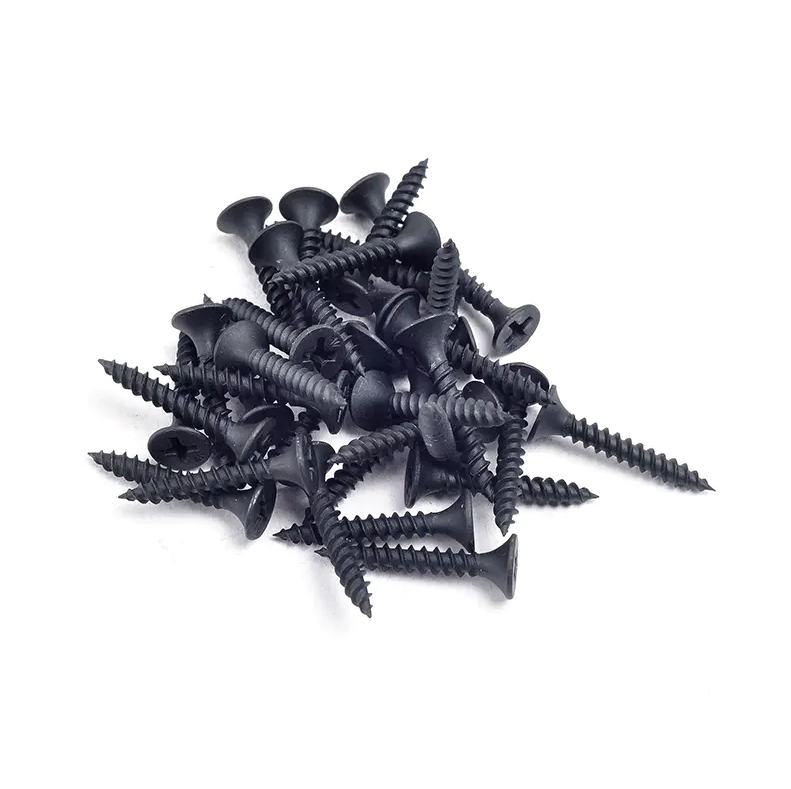
Gyprock Screws Plastic are not the kind of fastening component that draws attention at glance. They are small, often overlooked, and usually appear quietly during interior installation work. Yet in certain situations, they become the preferred option simply because they behave differently from traditional metal fasteners.
They are not designed to replace metal screws. That point is important. Their role is more specific, and usually tied to light-duty fixing where surface condition matters more than load capacity.
In many interior projects, the decision to use them is not about strength alone. It is about how gently the material can be handled during installation.
Why are plastic gyprock screws used at all?
At thought, plastic and structural fixing might not seem like a natural combination. Metal is usually associated with strength, while plastic suggests flexibility.
But in real installation work, not every fixing point carries weight or stress. Many wall-mounted elements are light, decorative, or temporary in nature. In these cases, applying strong mechanical force can sometimes do more harm than good.
Plastic gyprock screws are used because they reduce the intensity of contact between fastener and surface. Instead of driving force deep into the material, they distribute pressure in a more controlled way.
That difference is subtle, but noticeable during installation.
Where do they typically appear in real projects?
These screws are mostly found in indoor environments, especially during finishing or light installation stages.
They often appear when:
- Wall panels need gentle fixing
- Interior finishes require surface protection
- Lightweight fixtures are installed
- Temporary positioning is needed before final adjustment
In practice, they are rarely used where heavy structural load is expected. Their presence is more common in areas where appearance and surface condition are part of the final outcome.
For example, in interior wall systems, even small cracks or surface marks can affect the overall finish. This is where plastic-based fixing becomes relevant.
How do they behave once inserted into wall materials?
One noticeable difference during use is how they enter the material.
Instead of cutting aggressively or applying strong pressure, plastic gyprock screws tend to interact with the surface in a softer manner. The entry feels more gradual.
This does not mean they are weak. It simply means the interaction is less forceful.
In many wall board systems, this can be helpful because it reduces the chance of surface stress around the entry point. Some materials react poorly to sharp or heavy penetration, especially when they are thin or layered.
So the behavior of the screw becomes part of surface protection, not just fixation.
Why choose plastic instead of metal in some cases?
Metal screws are still the default in structural applications. They offer strength, long-term stability, and wide compatibility.
However, strength is not always the main requirement in interior finishing work.
Plastic gyprock screws are chosen when:
- The surface is sensitive to pressure
- The load is minimal or non-structural
- Appearance matters more than holding force
- Adjustments may be needed later
They create a different type of holding experience. Instead of focusing on resistance, they focus on controlled positioning.
In some cases, installers prefer them simply because they reduce risk of surface damage during repetitive work.
What materials are involved in their structure?
Although commonly referred to as "plastic screws," the material is usually more engineered than the word suggests.
These components are generally made from plastic compounds designed to maintain shape while still allowing controlled flexibility.
The material needs to perform two tasks at the same time:
- Stay firm enough to hold position
- Remain flexible enough to avoid cracking during insertion
This balance is not always easy to achieve. If the material is too soft, it loses holding ability. If it is too rigid, it may damage the surface it is meant to protect.
So material selection becomes a practical compromise rather than a fixed formula.
How does installation environment affect their performance?
In real use, performance is never isolated from environment.
Wall density, surface structure, and installation method all influence how plastic gyprock screws behave.
In softer wall materials, they tend to sit more easily and require less effort during insertion. In denser surfaces, installation becomes more sensitive, and alignment matters more.
Even hand pressure during installation can slightly change how the screw settles.
This is why they are often used in controlled indoor conditions rather than unpredictable structural environments.
What role do they play in surface protection?
One of their practical functions is surface preservation.
Interior finishes often require smooth, visually clean surfaces. Even small imperfections can become visible under lighting or paint.
Plastic gyprock screws reduce the chance of surface damage by avoiding strong, concentrated force during installation. The pressure is more spread out, which helps maintain surface integrity.
This is especially useful in materials that are prone to cracking or indentation under strong fastening force.
In many cases, their value is not seen in what they hold, but in what they prevent.
How do they compare with traditional screws in real use?
When observed in actual installation work, the difference becomes more practical than theoretical.
Plastic gyprock screws usually feel lighter during handling. There is less resistance during insertion, and the overall installation process tends to feel smoother in low-load applications.
Metal screws behave differently. They provide stronger grip but also introduce higher stress into the material.
A simplified comparison from field use:
| Aspect | Plastic Gyprock Screws | Metal Screws |
|---|---|---|
| Surface interaction | Gentle, low impact | Strong, direct penetration |
| Load handling | Light applications | Structural applications |
| Installation feel | Smooth and flexible | Firm and resistant |
| Best suited for | Interior finishing work | Load-bearing fixing |
Neither option replaces the other. They simply respond to different requirements.
What limitations should be kept in mind?
Plastic gyprock screws are not designed for every situation. Their application range is naturally limited.
They are not suitable for heavy loads or structural fastening tasks. Their performance depends heavily on correct usage conditions.
Common limitations include:
- Limited strength under continuous load
- Sensitivity to excessive tightening
- Dependence on suitable surface materials
- Restricted use in structural fixing
These limitations are not defects. They are part of the design purpose.
Understanding them helps avoid using the product outside its intended range.
Why are they being used more frequently in interior work?
Interior construction has gradually shifted toward more refined surface handling.
Instead of focusing only on strength, more attention is now given to finish quality and installation control.
Plastic gyprock screws fit into this shift because they support gentler installation methods. They reduce surface damage risk and allow more careful adjustment during fitting stages.
They also match situations where installations may be temporary or adjusted later, which is increasingly common in modern interior layouts.
This practical flexibility explains why they appear more often in finishing environments.
How are they viewed in everyday installation practice?
In working environments, these screws are not treated as primary structural components. Instead, they are used selectively when conditions call for lighter, more controlled fixing.
Installers usually decide based on material behavior rather than product category alone.
Over time, this selective usage has made them a supporting option rather than a central one.
They are part of a broader toolkit, used when surface care and controlled fixing matter more than raw holding power.
What makes their application highly specific?
Plastic gyprock screws are not universal fasteners. Their usefulness depends heavily on matching the right environment.
In suitable conditions, they perform smoothly and help maintain clean surfaces. In unsuitable conditions, they lose effectiveness quickly.
This dependency on context is what defines their role.
They are not meant to solve every fixing problem. Instead, they fill a narrow but practical space within interior installation work.
Their function becomes clear only when the application context is understood.
Final observation on their practical role
Plastic gyprock screws sit in a very specific position within installation practice. They are neither structural anchors nor decorative elements. They function in between, supporting light fixing tasks where surface sensitivity is important.
Their continued use reflects a broader shift in interior work: less emphasis on force, more attention to controlled interaction between materials.
In that sense, their value is less about strength and more about restraint.

 Quick Links
